
Urbanization and modern lifestyles are driving significant changes in the global food industry, creating new challenges and opportunities. As more people migrate to cities and lead increasingly busy lives, the demand for convenient, long-lasting food options has surged. This shift is particularly evident in regions like Asia-Pacific, where the market for ready-to-eat meals and food preservatives is expanding rapidly. The global ready-to-eat food market, valued at over $90 billion in 2020, continues to grow, driven by the need for convenient, reliable, and nutritious food solutions.
However, this growing demand is accompanied by significant challenges. Traditional food preservation techniques, though effective at extending shelf life, often result in the loss of essential vitamins and a decline in food quality. As consumers become more health-conscious, there is an increasing demand for advanced preservation methods that do not compromise on nutritional value. This issue is particularly pressing given that the global market for long-term food storage solutions is projected to reach $3.47 billion by 2024, reflecting the urgent need for innovative preservation methods that maintain both the longevity and nutritional quality of food.
A recent report has highlighted concerns within the food industry regarding the nutritional degradation that occurs during traditional preservation processes. For example, vitamin C, a crucial nutrient, is often lost during the processing and storage of food products. This loss is problematic, as vitamin C is essential for immune function and overall health. Similarly, other vital nutrients such as B vitamins and minerals can diminish in preserved foods, making it challenging for consumers to maintain a balanced diet through ready-to-eat options.
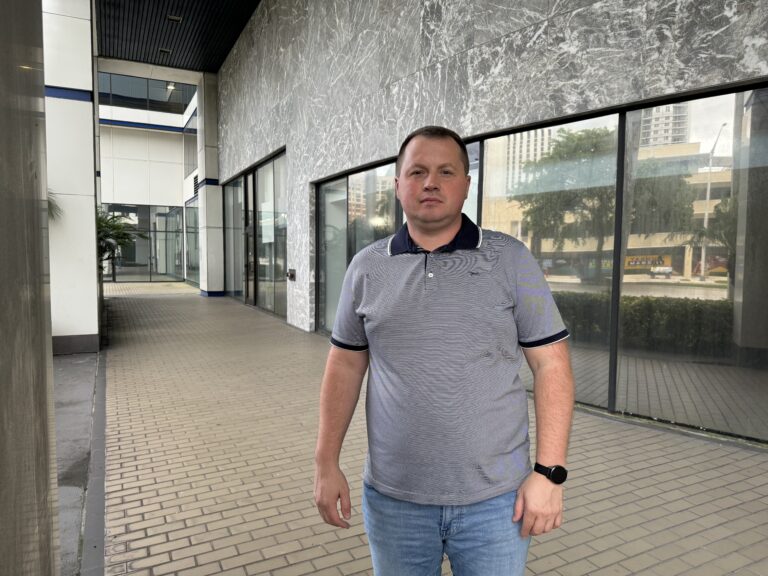
This issue has prompted a wave of innovation within the industry, with companies and researchers exploring new preservation technologies that can better protect the nutritional integrity of food. One such advancement is the technology developed by a team led by Yevhenii Shevchenko, which combines vacuum sterilization and shock cooling to preserve the essential vitamins and trace elements in food. Unlike conventional methods that degrade the nutritional content and flavor, this technology ensures that food remains as close to its natural state as possible, even after extended storage.
Shevchenko’s technology represents a significant departure from traditional preservation methods, which often involve processes like canning, freezing, or using chemical preservatives — each of which can negatively impact food’s nutritional profile and taste.
The process begins with vacuum sterilization, a technique that removes air from the food’s environment. By creating a vacuum, the growth of microorganisms is inhibited because these organisms rely on oxygen to thrive. This step is crucial in preserving the safety and longevity of the food without the need for harmful additives.
Following the vacuum process, the food undergoes shock cooling. This step involves rapidly reducing the temperature of the food immediately after sterilization. This rapid cooling prevents the destruction of delicate nutrients and maintains the texture and flavor of the food. Traditional slow-cooling methods allow for the development of ice crystals in frozen foods, which can cause damage to the cellular structure and result in a mushy texture once thawed. However, shock cooling preserves the integrity of the food, ensuring it remains as fresh and close to its original state as possible.
“In the fast-paced world we live in today, people need access to food that is not only convenient but also nutritious,” says Shevchenko. “We’ve worked hard to develop a technology that maintains the natural quality of food while extending its usability, addressing the modern consumer’s need for both health and convenience.”
The relevance of Shevchenko’s innovation becomes even more apparent when considering broader market dynamics. In Asia-Pacific alone, the food preservatives market is witnessing robust growth, driven by rapid urbanization and increasing consumer preference for ready-to-eat meals. However, this growth also raises concerns about food safety and nutritional value, with many consumers seeking out products that align with their health-conscious lifestyles.
Moreover, a report from Coherent Market Insights points out that the global ready-to-eat food market, valued at over $90 billion in 2020, is expected to continue its upward trajectory, further emphasizing the need for advanced preservation methods. Shevchenko’s technology, with its focus on retaining the nutritional quality of food, is ideally positioned to tap into this growing market.
“We’ve seen a growing interest in our technology from various sectors that require reliable food preservation solutions,” Shevchenko notes. “Whether it’s for industrial catering or emergency food supplies, the ability to maintain food quality over time is becoming increasingly important.”
Beyond the consumer market, Shevchenko’s technology offers significant advantages for large-scale applications in industrial catering, disaster relief, and remote work sites. In these environments, where the ability to store food for extended periods without compromising safety and nutritional value is critical, his method has proven to be a game-changer.
“Food waste is a major global issue, and it’s something that our technology can help address,” says Shevchenko. “By extending the shelf life of food without sacrificing quality, we can reduce waste and make nutritious food more accessible.”
The importance of Shevchenko’s technology extends beyond just consumer health. As the global food industry faces increasing pressure to meet the demands of a growing population while minimizing waste, the need for sustainable and effective preservation methods has never been greater. By reducing the need for frequent food production and transportation, Shevchenko’s technology contributes to a more sustainable food supply chain, helping to mitigate environmental impact.
As the food industry continues to evolve in response to changing consumer demands and global trends, the need for advanced preservation methods like those developed by Yevhenii Shevchenko will only become more critical. His technology not only addresses current challenges but also sets new standards for quality and sustainability in food preservation, ensuring that nutritious meals are always within reach, regardless of location or circumstances.