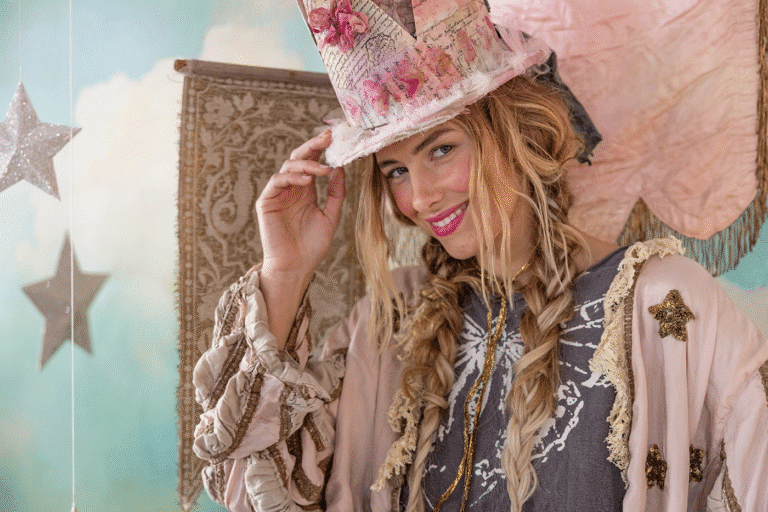
Fashion is a two-trillion-dollar business facing tough questions about waste and the human cost of fast fashion. At the same time, secondhand clothing is surging. Magnolia Pearl, a Texas label known for hand-distressed pieces and visible mending, has stepped into that space. With small-batch production and a resale site that sends proceeds to community projects, it shows how fashion can be both purposeful and generous. Here are six lessons from the way it works.
1. Scarcity Can Drive Resale Value
Magnolia Pearl produces garments in small batches. Each piece — patched, paint-splattered, and visibly mended — is made to feel singular. That deliberate scarcity has created a secondary market where jackets and pieces often sell for twice their original price.
The global resale fashion sector is expanding at an estimated 15 to 20% each year, a pace projected to outgrow traditional retail through the decade. Magnolia Pearl has tapped into that trend by designing clothes that collectors view as long-term investments rather than disposable goods. Scarcity, paired with craftsmanship, has proven to increase resale value without chasing seasonal hype.
2. Build Resale Into the Business Model
The company did not leave the booming resale trade to outside platforms. In 2023, it launched Magnolia Pearl Trade, a monitored marketplace where authenticated pieces, which are samples and long-sold-out designs, are sold and auctioned.
By hosting its own resale site, the label has turned what is often an informal trade into a transparent exchange. It gives buyers confidence in what they purchase and allows the company to track the life of its garments.
3. Make Giving Part of the Structure
Magnolia Pearl Trade directs between 25 and 100% of fees and final sale values to the Magnolia Pearl Peace Warrior Foundation. Since 2020, the foundation has raised more than half a million dollars for housing and healthcare programs for Indigenous Americans, arts education in Brooklyn, and disaster relief efforts.
Rather than occasional charity drives or seasonal campaigns, the company channels philanthropy through every resale transaction. Each bid on the site carries both market value and a social dividend, turning fashion resale into a mechanism for redistribution and community support.
4. Let Personal History Shape the Mission
Founder Robin Brown grew up in poverty, often without a stable home, and learned to sew and mend as a means of survival. The brand’s visible stitching and weathered fabrics reflect that upbringing. Her 2024 memoir, Glitter Saints: The Cosmic Art of Forgiveness, recounts how creating from scraps was less a pastime than a necessity.
Brown’s life story informs more than the look of the clothes. The Peace Warrior Foundation can be read as a public extension of her early experiences, transforming personal resilience into a business that funds support for those facing their own hardships.
5. Celebrity Influence Works Best Offstage
Magnolia Pearl has not relied on splashy sponsorships or high-profile runway events. Yet its garments have quietly appeared in music videos, television productions, and private wardrobes. Artists such as Taylor Swift, Whoopi Goldberg, and designer Betsey Johnson have worn the label’s distinctive pieces without formal brand partnerships.
This understated visibility carries weight. When well-known performers choose a brand on their own terms, it signals authenticity to collectors and helps sustain demand in the resale market. The quiet embrace by creative figures has become part of the clothing’s market value.
6. Sustainability Can Drive Demand
Fast fashion has drawn criticism for waste and environmental damage. Magnolia Pearl offers evidence that success does not have to depend on overproduction. By creating garments designed to last, which has encouraged their resale and directed proceeds toward community needs, the company shows how the circular economy can be more than a slogan.
The resale platform gives clothes a second life and their value a second purpose, demonstrating how a business can succeed while contributing to social and environmental goals. In a sector facing pressure to reduce its footprint, this model shows that fashion can be both commercially viable and socially responsible.
Conclusion
Magnolia Pearl’s model does not pretend to fix all of fashion’s problems, but it demonstrates that success and generosity need not be opposites. By creating garments that gain value over time, hosting its own resale platform, and channeling proceeds into community projects, the company has fused commerce with social impact. As the global apparel industry wrestles with its environmental and ethical costs, these lessons offer a practical blueprint for turning fashion’s economic strength into a tool for public good.