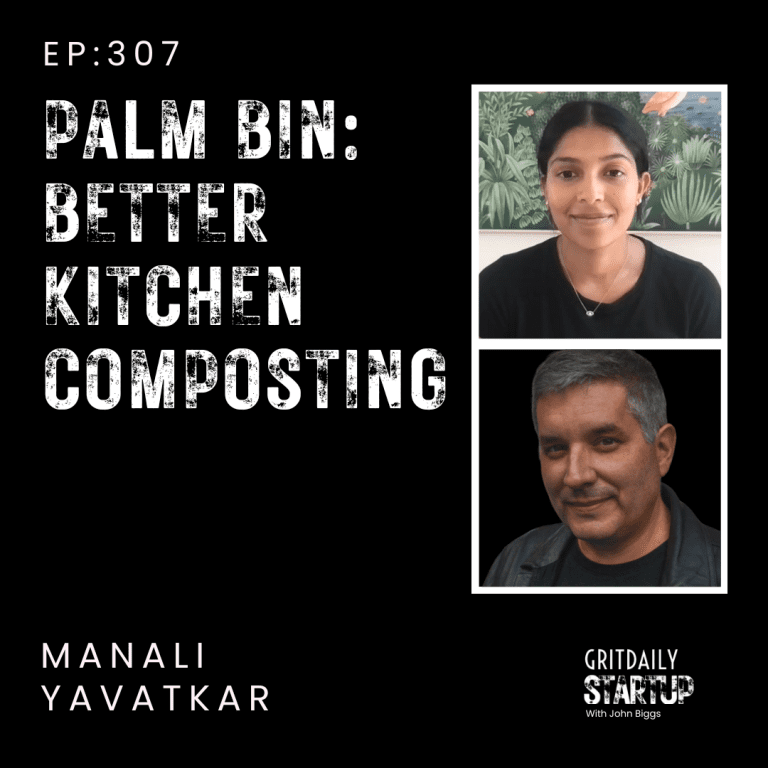
While undeniably useful and good for the environment, composting is not something everyone wants to do. Not only can it be inconvenient if you do not have the space, but it can also be a hot, stinky mess. However, Palm Founder Manali Yavatkar, an entrepreneur with a background in biomedical engineering and data science, has successfully transformed a traditionally messy and unpleasant task into an effortless and environmentally friendly routine.
Yavatkar’s creation, the Palm Bin, addresses many common grievances associated with kitchen composting, such as odors and pests, by introducing a novel cooling technology. The following article, as well as the podcast episode below, delve deeper into Yavatkar’s journey and the broader implications for the sustainability industry.
Background of Kitchen Composting
Kitchen composting is an integral part of waste management, particularly in urban settings where food waste significantly contributes to overall waste volume. Municipalities like San Francisco have implemented mandatory composting laws to encourage waste diversion from landfills, where organic waste generates methane, a potent greenhouse gas.
Despite these initiatives, the inconvenience and unsanitary conditions of traditional compost bins can deter households from participating. Yavatkar’s innovation directly addresses these barriers, providing a practical solution that enhances the user experience and supports municipal waste reduction goals.
The Genesis of the Palm Bin
The concept for the Palm Bin emerged from Yavatkar’s personal frustrations with existing composting solutions. Her experience in San Francisco, where she encountered the city’s mandated composting system, highlighted the deficiencies of conventional compost bins.
Motivated by her passion for sustainability and armed with her technical expertise, Yavatkar envisioned a bin that could cool its contents, thus preventing the decay and odor typical of room-temperature composting. This key innovation not only makes the composting process more hygienic but also more appealing to users.
Innovations and Features of the Palm Bin
Yavatkar’s creation distinguishes itself through several innovative features:
Thermoelectric Cooling System: This system uses a low-energy method to maintain a cool environment inside the bin, significantly reducing the smell commonly associated with composting.
Ergonomic Design: The Palm Bin includes a removable inner caddy equipped with a drop-bottom feature, allowing for easy disposal of waste without any mess.
Sustainability and Impact Tracking: The bin is constructed from recycled and plant-based materials, reflecting a commitment to environmental sustainability. Additionally, the bin tracks the amount of waste diverted from landfills, offering users tangible insights into their environmental impact.
Challenges in the Hardware Innovation Space
Transitioning from concept to market-ready product in the hardware space involves numerous challenges. For Yavatkar, the journey entailed navigating the complexities of sustainable material sourcing and manufacturing. She emphasized the importance of creating a product not only designed for functionality but also built to be disassembled and repaired, ensuring longevity and reducing waste.
The hardware development process, particularly for environmentally friendly products, requires meticulous planning and significant investment, which are challenges Yavatkar overcame by securing early funding and engaging in extensive prototype testing.
Broader Industry Impact
The success of the Palm Bin on platforms like Kickstarter, where it greatly exceeded its funding goals, illustrates a growing consumer interest in sustainable household products. This shift towards eco-friendly innovations is part of a larger trend in the consumer goods industry, where sustainability is becoming a significant driver of product development and brand loyalty. Yavatkar’s success story provides valuable insights into the potential for innovative products to make a substantial impact on environmental sustainability efforts and consumer habits.
Conclusion
Manali Yavatkar’s Palm Bin is more than just a product; it is a testament to the power of innovation in tackling environmental issues. By rethinking the traditional compost bin, Yavatkar has not only made sustainable living more accessible but has also set a benchmark for future innovations in the industry.
As the world increasingly prioritizes sustainability, entrepreneurs like Yavatkar play a crucial role in shaping a more environmentally conscious market. Her journey from a frustrated compost user to a successful entrepreneur highlights the potential for innovative solutions to drive significant change in both consumer behavior and environmental impact.