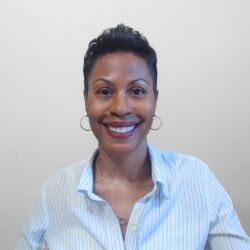

Jane Bader, DMA, has spent decades working at the intersection of neuroscience, education, and music. As the founder of NeuroMusicNotes Media, Dr. Bader focuses on a problem many parents quietly face: they want to support their children’s early brain development but feel unqualified to do so. With her book, “Music for the Developing Brain: A Simple-At-Home Program,” families will discover practical tools to nurture musicianship and enhance cognitive abilities.
A Critical Window for Early Childhood Development
Early childhood education research continues to highlight the value of music in cognitive development. Some children may experience enhanced attention, improved coordination, or increased emotional connection. For others, it’s preparation for formal music lessons later on or for additional educational opportunities. However, many families delay music instruction until elementary school. Dr. Bader believes that waiting misses a crucial window of opportunity. Her book includes simple activities designed to accelerate children’s mental growth from infancy through age five.
“What I did was make a simple and straightforward program,” Dr. Bader says. “Music for the Developing Brain” equips parents to incorporate music learning into daily life, even if they’ve never had music lessons. As a result, they can teach their baby, toddler, or preschooler the joy of music.
This approach responds directly to parents who feel overwhelmed. Dr. Bader’s book doesn’t ask families to set aside a long practice session, nor does it require them to buy expensive instruments. Instead, she shows how musicality begins with singing, movement, and interaction. “These skills may even help their child get a scholarship later on if they have this foundation and continue,” Dr. Bader says.
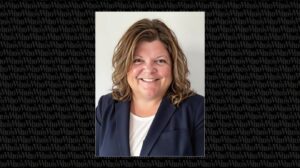
“As an educator of elementary school children for over a quarter of a century with no music education or training, I found this book engaging, clear to understand and easy
to implement. I highly recommend this asset for classroom teachers and homeschooling parents who want to enrich their curriculum with sound musical principles,” says Mary Ann Wheeler, a former principal with a Master of Education in administration and supervision.
Music Learning for Busy Parents
Dr. Bader’s background gives her a unique perspective, as she began her career as a medical technologist at a blood bank in Alaska. In this role, precision and evidence mattered, and that mindset carried over into her academic work in music and neuroscience.
After earning a doctorate in musical arts, Dr. Bader used her dissertation research to develop a simple, at-home program for teaching children music, even if their parents have never had a music lesson. Using everyday language, the musical activities cover foundational concepts such as pitch, rhythm, tempo, and dynamics. Each chapter is paired with demonstration videos on her website. “It’s taking something that people consider difficult and making it approachable in maybe five minutes a day,” she says. “Nobody with a small child has extra time.”
“Dr. Bader has created an engaging and valuable tool for parents to enhance their young child’s brain development through music. And no music background is necessary to use this excellent resource,” says Laury Christie, Master of Music, Distinguished Emerita Professor of music at the University of South Carolina.
Everyday Encounters as Teachable Moments
A key idea in Dr. Bader’s work is that music learning in children doesn’t require technical skill from the adult, only attention and consistency. In “Music for the Developing Brain,” she uses everyday examples, illustrated on her website, to explain how to introduce music to newborns, infants, and toddlers.
“For example, you just finished changing the baby’s diaper, you wash your hands, pick them up, and you gently start singing,” Dr. Bader says. “That’s the level where it starts.” This form of music integration is something most parents can do, and children usually enjoy it.
Dr. Bader tested these ideas at home with her grandchildren. Simple songs and movement games became shared moments, not lessons. “They have the biggest smiles, and they had a great time with that,” she says. Their reaction reinforced her belief that learning music from an early age should feel natural.
Brain, Body, and Emotional Growth
For Dr. Bader, music is not a luxury; it is a tool that families already have but need help using. Although the book is self-explanatory, Dr. Bader also offers coaching, workshops, and consulting. However, she emphasizes that most families can succeed without one-on-one help. “Dr. Bader says, “I designed my program so parents and caregivers can read the book, follow the activities on the website, and teach their children confidence and joy through music.”