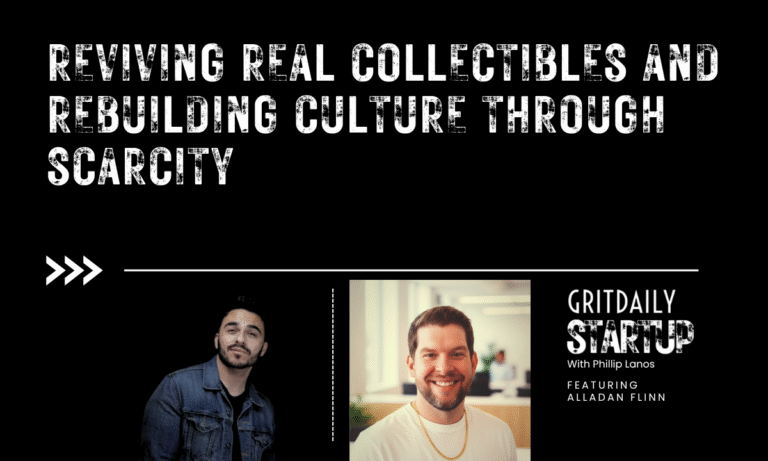
In an era dominated by algorithmic content, infinite feeds, and digital replicas, it can feel like everything is abundant yet somehow less meaningful. For Alladan Flinn, founder and CEO of Based Trading Cards, that cultural shift isn’t just a philosophical concern, it’s a problem with real consequences. His mission is to rebuild the value, scarcity, and intentionality that defined collecting before the internet flattened everything. And he’s doing it with one of the oldest and most universally loved mediums: trading cards.
Flinn grew up surrounded by art, comics, and collectibles. His earliest memories revolve around sketching superheroes during class and tearing open packs of Marvel cards, absorbing the artwork and dreaming up his own characters. Even as blockchain-based art surged across the world years later, he saw something missing. NFTs were marketed as collectibles, yet they lacked the tactile scarcity and creative craftsmanship that made physical cards endure for more than a century. Instead of joining the frenzy, he decided to build the opposite, something grounded, physical, and timeless.
Based Trading Cards began with a simple idea: return to the fundamentals of collecting by building true, verifiable scarcity. Where major companies print hundreds of millions of packs a year, Flinn’s core series is capped at 21,000 packs. Some cards exist in quantities as low as 21. Others feature 1,000 or 210 copies. Every pack is produced transparently, with serialized printing, anti-counterfeit markers, and tamper-proof fingerprint stamps.
The point isn’t just collectability, it’s education. Each card is designed to teach concepts ranging from freedom and economics to decentralized systems and personal values. The backs of the cards break down topics like scarcity, fiat currency, public keys, the Lightning Network, and historical figures who shaped global culture. The intention is clear: a collectible can be more than an image. It can be a tool for understanding how value works.
Bringing that vision to life, however, required navigating one of the most difficult parts of physical production: printing. Early batches revealed just how complex trading-card manufacturing can be. A single premium card may require 15 separate file types, layered foils, intricate finishes, and near-flawless precision. Finding a printer willing to work with small-batch, high-detail runs and treat a young company with the same care as billion-dollar franchises was its own odyssey. Developing those relationships, maintaining quality control, and surviving expensive lessons along the way became part of the company’s DNA.
Today, Flinn works with a global network of illustrators from Italy, Indonesia, Argentina, Mexico, and beyond. Their work gives the cards the visual richness that digital collectibles often imitate but rarely match. Characters, cultural figures, fighters, thinkers, and economic concepts are rendered with intensity, detail, and symbolism — pieces of art that could stand alone but instead live inside a broader cultural tapestry.
The evolution from Bitcoin Trading Cards to Based Trading Cards marked a deeper shift. While Bitcoin remains an inspiration for many themes — decentralization, honesty, immutability — the company’s scope expanded. The stories on the cards now span freedom fighters, inventors, athletes, philosophers, and cultural icons. The rebrand reflects a clear goal: champion values, not hype. Inspire critical thinking, not speculation. Build culture, not just collectibles.
At the center of it all is a belief that scarcity matters, not just economically, but emotionally. Flinn reflects often on the world before everything became endlessly accessible. Saturday morning cartoons that aired once a week. Summer camps where screens didn’t follow. Collectibles earned, saved for, and treasured. A childhood shaped by waiting, wanting, appreciating, and sharing.
Based Trading Cards is his attempt to reintroduce that experience at a time when culture feels increasingly disposable. Scarcity encourages care. Care leads to connection. And connection builds culture.
The company’s community, from MMA fighters to educators to long-time collectors, is proof that the concept resonates. The cards aren’t tied to a Ponzi scheme, a speculative digital asset, or a fleeting meme cycle. They’re a celebration of craftsmanship, values, and real stories. They’re reminders that physical things, when made with care, still matter.
Flinn often says that one spark can shift a culture. And while he doesn’t claim to be the spark himself, he’s building the kindling: art with purpose, collectibles with integrity, and a brand that sees scarcity not as a gimmick, but as a way to restore meaning.
Want more Grit Daily Startup Show? Take a look at past articles, head over to YouTube, or listen on Apple Podcasts or Spotify.