

Once considered a necessity for those with celiac disease, a gluten-free diet has grown into a global phenomenon, transforming the food industry in profound ways. What began as a medical requirement has evolved into a lifestyle choice embraced by millions, leading to innovative product development, shifts in consumer preferences, and a rapidly growing market. As brands continue to meet the increasing demand for gluten-free options, pioneers like Melody Hu, founder of Sweet Diplomacy, are proving that these products can be both delicious and inclusive.
From Medical Need to Mainstream Trend
Beyond celiac disease, many people report gluten sensitivity or simply feel better when avoiding it. As a result, the gluten-free market has experienced explosive growth, with global sales projected to reach $13.81 billion by 2032. In the United States alone, the market is expected to increase from $2.62 billion in 2023 to $4.25 billion by 2029. This surge can be attributed to several factors:
- Health-Conscious Consumers: Many individuals believe that reducing gluten improves digestion, energy levels, and overall well-being, even without a medical necessity.
- Celebrity Influence: Celebrities like Kourtney Kardashian, Jessica Alba, Miranda Kerr, and Gwyneth Paltrow have publicly advocated for gluten-free diets, undoubtedly influencing millions of followers.
- Better Availability: Major grocery chains, restaurants, and even fast-food brands have expanded their gluten-free offerings, making these options more accessible than ever. Gluten-free pastas, breads, and snacks are now available at nearly every supermarket, reflecting the shift in consumer demand.
Innovation in the Food Industry
Gluten, a protein found in wheat, barley, and rye, has been linked to celiac disease, an autoimmune disorder that affects approximately 2 million people in the United States and about 1% of the global population. For these individuals, consuming gluten triggers an immune response that damages the small intestine. With demand skyrocketing, food manufacturers and restaurants have reimagined classic staples without gluten. This has led to a wave of innovation, including:
- Alternative Flours: Almond, coconut, chickpea, and rice flour are now common pantry items, each with its own texture and flavor.
- Gluten-Free Bakeries: Boutique bakeries like Sweet Diplomacy have emerged, offering gourmet, allergy-friendly treats that rival their traditional counterparts.
- Cross-Contamination Awareness: Restaurants now implement strict protocols to ensure gluten-free meals are safe for those with celiac disease. Dedicated gluten-free kitchens, separate cooking surfaces, and staff training programs are now standard in many eateries, demonstrating the industry’s commitment to serving this growing consumer base. Additionally, many restaurants now ask guests whether gluten-free choices are based on preference, allergy, or medical necessity, further ensuring they accommodate individual dietary needs with care and precision.
A Pioneer in Inclusive Baking
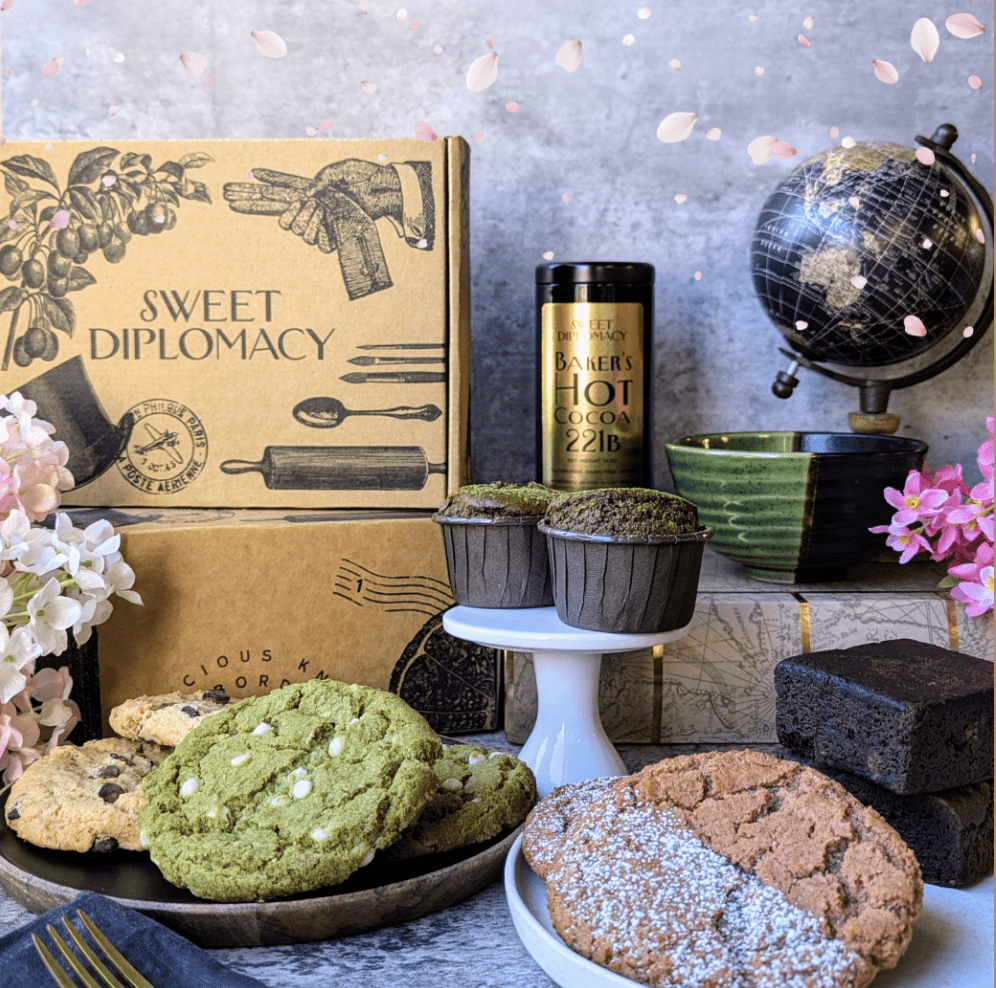
Founded by Melody Hu, Sweet Diplomacy has made a name for itself as a leader in the gluten-free and inclusive baking space. With the philosophy that “Delicious knows no borders,” Sweet Diplomacy celebrates world flavors while meeting diverse dietary needs. Inspired by Melody’s multicultural background and global upbringing, the bakery crafts innovative treats that fuse ingredients from different cuisines, delivering a uniquely delicious experience.
Since its inception in 2017, Sweet Diplomacy has expanded from a small pop-up operation into a thriving business with nationwide shipping, making its baked goods accessible to customers across the U.S. The company’s commitment to sustainability, special-diet inclusivity, and high-quality ingredients has positioned it at the forefront of the gluten-free movement. Whether it’s gluten-free, vegan, nut-free, dairy-free, or sugar-free, Sweet Diplomacy continues to redefine the standards of what allergy-friendly desserts can be, proving that dietary restrictions don’t mean sacrificing taste.
Is Gluten-Free Here to Stay?
While some critics argue that the gluten-free trend is just another diet fad, market data suggests otherwise. With continued growth in the health and wellness sector, gluten-free eating is likely to have a long-term future in the food industry. Advances in food science will further improve the quality of these products, making them indistinguishable from traditional products. Furthermore, brands like Sweet Diplomacy are making it more accessible to people wherever they live by offering door-to-door delivery of fresh baked goods.
As new product development continues, the next wave of gluten-free innovation may include advancements in plant-based alternatives, sustainable grain-free solutions, and functional foods designed to enhance gut health. The industry is evolving beyond simple substitution to creating foods that are healthier, tastier, and more widely accepted than ever before.
What started as a necessity for a small percentage of the population has transformed into a powerful movement reshaping the food industry. Whether driven by health needs or personal choice, the demand for gluten-free products is not just a passing trend, but a testament to the changing landscape of consumer preferences and the industry’s ability to adapt. As pioneers continue to push the boundaries of gluten-free innovation, one thing is certain: the future of food is increasingly inclusive, catering to a broader range of dietary needs without compromising on flavor.