
Leaders face a universal challenge: finding the very best people for their teams, integrating them into the organization, and making sure they are engaged, motivated, and able to perform at their best. Yet too often, top people become disenchanted, may feel set adrift or overloaded, and that apparently great investment can go south. One key factor is leadership’s role. Hands-off is as bad an idea as micromanaging when it comes to the best performers.
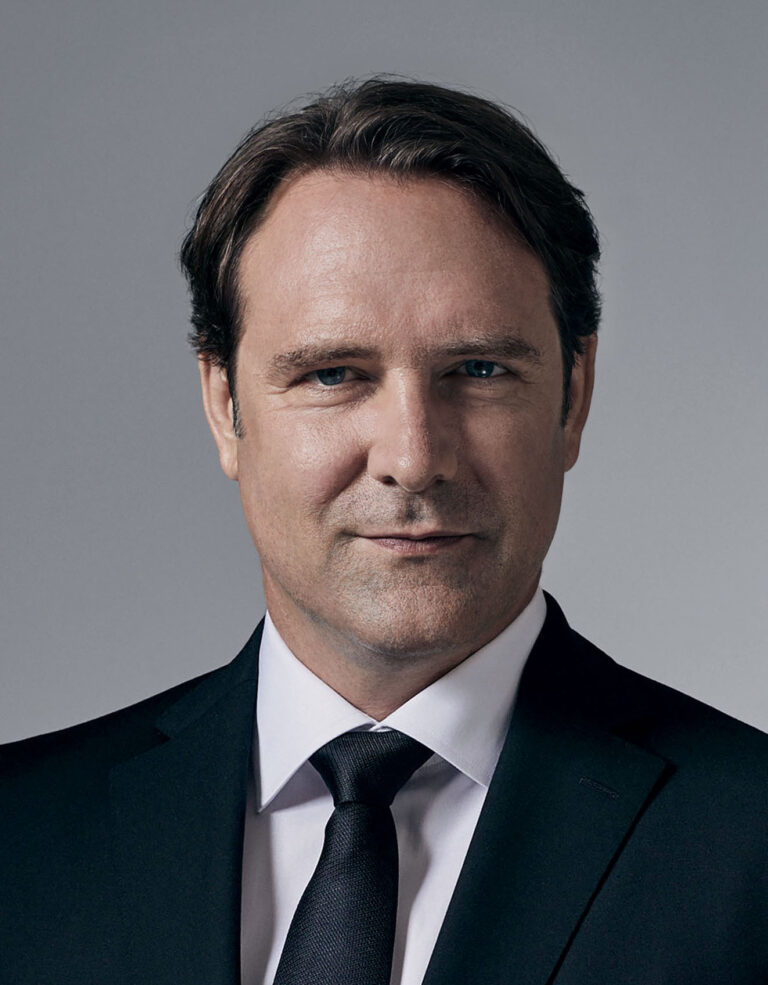
In a conversation with Dr. Christian Marcolli, author of WINNING MATCH: Leadership for Game Changers—Together Toward the Extraordinary, he talked about a proven, dynamic approach he calls the Winning Match. It’s a specific, supportive, methodical partnership between great leaders and those they know have game-changing potential. A leader may have the best intentions, but unless they know how to activate high performance, they risk losing those with the potential to truly change the game. Dr. Marcolli is also a former pro soccer player who works with top athletes and coaches — and his approach to high performance taps into the alchemy of coaching greatness in sports as well as business.
1. You’ve written a number of books on high performance. All reflect your unique perspective as an executive coach, leadership expert, and performance psychologist who also works with world-class athletes. What prompted you to write your new book, Winning Match?
Winning Match gathers some of the key insights from my work as a performance psychologist and executive coach for some of the world’s most successful leaders and performers in their fields. For more than two decades, I have had the privilege of working closely with a wide range of clients, and I’ve learned firsthand what sets the best apart.
Although I most often work behind the scenes and stay largely invisible, the work I do with my clients is at close distance. The exchange is real, vulnerable, intense, focused, and goal-oriented. Most of it is what I call strategic leadership sparring — which catalyzes and contributes to a critical shift in my client’s thinking and behavior. I’m more convinced than ever that world-class is the result of many extremely specific interactions between top performers and top leadership. I wanted to share my proprietary leadership framework with business leaders, decision-makers, entrepreneurs, top managers, and innovators who are all trying to make a difference with — and through —others.
2. In your book, you point out that certain false beliefs among leaders and managers — becoming too involved or, on the other hand, being completely hands-off with your top people — are actually major leadership errors. Do you think these play a role in the best people deciding to leave a company?
First, some context: we’re in a war for talent. Companies fight to recruit and land exceptional individuals because they persistently and reliably produce great results. We know they’re more committed, determined, visionary, and creative than their peers.
But what often happens is that instead of being paired with the right kind of leadership, those potential Game-Changers are left without the guidance, support, and the right kind of leadership sparring that push them further and enable them to grow and achieve outstanding results.
Their managers are either too much involved, with a tendency to micromanage, or they are completely hands-off. Neither is the kind of leadership that Game Changers need. Over time, these approaches cause people to fall short of their potential. Worse, they may leave the company. So to answer your question, yes, these are key factors.
One of the most pervasive myths about how to lead exceptional people is that true talent always rises to the top. It doesn’t. It takes so much more than raw talent and potential. Consider sports. If you want to achieve ambitious goals in world-class sports, you constantly invest in the best, leading them to reach the level of exceptional performance that makes all the difference at the top. Anything else would be absurd.
But in business, strangely, I see companies invest large sums of money and time in recruitment and assessments to try to find the best people, and to create plans that aim to secure the next generation of senior leaders. Yet once the high potentials are on board, often a strange process unfolds: The attention of leadership shifts. Instead of leading these individuals toward the extraordinary, they either frustrate them by being too involved or demotivate them by leaving them on their own. Leaders need to learn how to identify the best of the best and specifically interact with them so that the best get even better.
3. What is the idea of a Winning Match based on?
In a Winning Match, you’ve got an ambitious individual with game-changer potential and a leader who can act as their leadership sparring partner. It’s an ideal combination between what I call Game Changers and their Leadership Champions. When it works out, you have the basis to create extraordinary results through your Game Changers.
The concept is based on two things I saw early on in my work as an executive coach:
Going through the daily routines with senior executives and business leaders, they are often shocked to discover how little time they have for regular, performance breakthrough discussions with their best people on current and future key strategic topics. This is because they are very often tied up with all the other important tasks. Some of them barely manage to adequately prepare for these critical meetings. They share a feeling of running behind and squeezing in their one-on-ones on top of the daily priorities, not quite giving it the time and preparation that it deserves. But they know it deserves more.
On the other hand, it’s clear that the individuals with game-changer potential wanted planned, regular, direct sparring with their leaders, to get to the heart of things and to make progress on what really moves the needle now and in the future. But what they often get in reality is the standard performance talk twice a year, and their one-on-one meetings are entirely focused on day-to-day projects and deliverables. Over time, they get disappointed. They don’t see a way to connect with their leaders in a way where they feel inspired, appreciated, and valued for what makes them different and the additional value they can bring.
In my book Winning Match, I provide the framework for both sides to pair up in a specific way and make lasting progress. It involves regular points of exchange: moments of intentional, high-impact interactions on subjects ranging from specific business issues to broader, long-term strategic questions. These interactions push the envelope and get the best people thinking and acting differently. And these moments can combine an ambitious, sometimes even ruthless, substantial debate with the highest level of trust, mutual respect, and openness. They are challenging and productive discussions and moments of connection that you both can eagerly await, and that create a sustained dialogue with massive value over time.
4. Let’s switch gears and get into the strategies in the book. First, let’s focus on this idea of a Game Changer. What is this rare breed of talent, and how can leaders recognize them as having the potential to be Game Changers?
Individuals with game-changer potential have the potential to produce exceptional performance, continuously and sustainably, at the highest level, and to bring teams and entire organizations to the next level. For me, four essential characteristics define them:
- Passion for Excellence
- Desire for Feedback
- Ability to Transform Input into Action
- Mental Toughness
Some of these traits may seem familiar. But their depth and real-world application are often misunderstood. Passion is more than just enthusiasm; desire for feedback is more than being confident in the face of criticism; transforming input into action is more than the ability to initiate change; and mental toughness is more than keeping composure under pressure.
To identify the people with-changer potential in your organization, a leader needs to be able to recognize these traits for what they are and to have a more thorough perspective on these characteristics. It’s not enough to just identify them. You need to be able to utilize specific leadership skills, strategies, and attitudes to elevate them to the top of their arena and allow their performance to make a true impact.
5. In terms of leaders, you make a clear distinction between those leaders who may want to inspired greatness but can’t (which is probably the majority), and those leaders who can. According to your insights, the leaders who can, the Leadership Champions, have developed some pretty specific leadership skills. Can you talk about this special kind of leadership? From your perspective, what are the key leadership competencies of Leadership Champions, who can lead their Game Changers toward the extraordinary?
I observe a significant difference between average leaders and Leadership Champions. I have seen many leaders who think that they are making a difference and inspiring top performance, but aren’t, because they don’t have the skills and the right approach. And then, I see Leadership Champions making a true difference in and through others. In a nutshell, there are three essential leadership competencies leaders of this caliber need to have:
- A strong sense of collective ambition that supersedes personal ambition and ego. The overall success of the company and the people in it needs to outweigh individual ambition.
- Unconditional generosity — which includes providing time, energy, resources, and connections with no strings attached, knowing the investment will pay off in the long run.
- The ability to engage in leadership sparring with potential Game Changers, shaping and continuing a sequence of targeted, specific interactions that bring the Game Changers forward so that they can achieve the extraordinary in the real world.
6. Very big picture question here, but in writing this book, were you aiming to unlock a new dynamic between leaders and top talent that can help push more innovation, more success, and maybe even change the world?
I truly believe that leadership is ultimately about inspiring, guiding, and serving others, no matter the field. Game Changers don’t stop being Game Changers in only one area or field. Leadership Champions don’t stop leading when their workday ends. Many of them continue to foster positive change wherever they go. That means in their families, in their communities, and in society at large. And when they do, their impact multiplies.
While success in business and making a significant, meaningful, and valuable contribution to a company’s achievements is an important fuel for many, it can also be applied to other areas of life and offer a deep and lasting sense of satisfaction across a lifetime.
While corporate life offers opportunity, structure, and reward, many individuals, in the long term, at some point in their careers, start to look beyond quarterly results and the impact of their latest project or program. They start to ask not just: “What am I achieving in this company?” But “What am I contributing through this company and beyond?
In that shift lies an additional powerful truth: The same game-changing mindset that drives success and innovation at work can be an engine for progress in many different realms. It’s the same with Leadership Champions, who can have a role far beyond organizational charts. They can demonstrate their leadership in the world outside of work, acting as mentors, sponsors, and connectors to others in areas and fields where it is needed. So yes, there is the potential to change the world for the better and make it a better place for others.
Learn more here.