
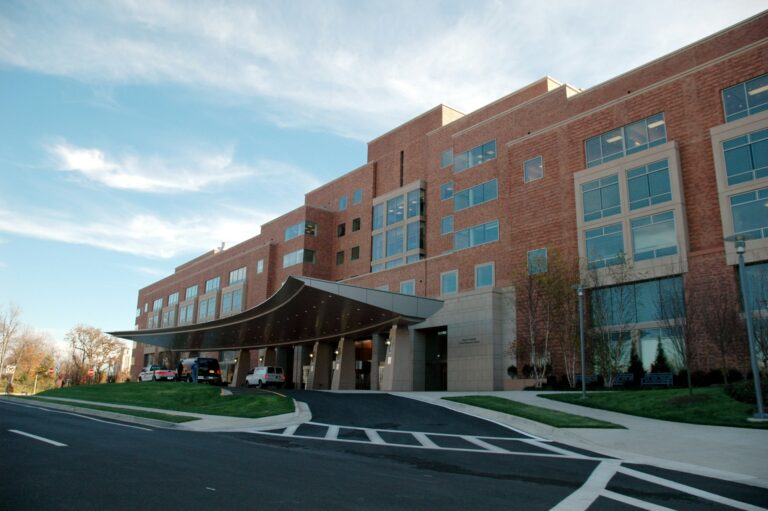
A hospital is distinct from nearly every other type of commercial real estate. When you manage such a facility, the margin for error is extremely thin. One miscalculation in integral systems like air filtration or water sterilization could result in a high-level compliance issue. As regulations become more stringent, hospital teams are increasingly seeking expertise from environmental risk consultants to ensure absolute compliance and operational continuity.
Maintaining a healthy and compliant environment is a fundamental business responsibility, as it is the foundation upon which patient trust is built. This importance is why we partnered with RHP Risk Management to create this comprehensive guide with expert insights on the industry.
The Financial Weight of Noncompliance and Hazardous Conditions
It’s easy to overlook the economic reality of environmental risks. If you’re a business owner or finance executive, such liabilities can feel trivial in the broader institutional context. Yet, the fiscal consequences of noncompliance are catastrophic compared to the investment costs required to mitigate them. Beyond high regulatory fines, executives must also consider legal defense costs and emergency remediation. When you consider the sheer number of payments required to address exposed environmental hazards properly, the stakes become clear.
Few work settings put staff members at such risk of illness as healthcare facilities. If a hospital environment is not meticulously controlled and monitored, it could lead to rising insurance premiums.
Conversely, meeting environmental standards provides facilities with considerable financial and social advantages. Hospitals can reap the cost-effectiveness of optimized resource management, as well as the positive perception that comes from fostering a safe environment for staff and patients.
Identifying the High-Stakes Environmental Hazards
In every hospital, certain systems harbor significant environmental risks that require constant vigilance. One of these critical areas is the water distribution network. When not adequately overseen, the water distribution network can become a breeding ground for Legionella and other waterborne pathogens. Such incidents can endanger patients and even lead to a complete operational shutdown. This results in many financially damaging outcomes, such as downtime, costly emergency repairs and reputational damage.
You must also account for chemical exposures inherent to medical procedures. Sterilization units often use ethylene oxide, which requires precise atmospheric monitoring due to its hazardous nature. Even a minor leak of these chemicals can expose staff to toxic conditions and create significant regulatory issues for management teams. Furthermore, surgical plumes and waste must be managed with strict care and vigilance to prevent cross-contamination.
Without clear structures for supervision, the many assets of a hospital become unpredictable liabilities. Today, compliance is an integral component of stability and operational continuity.
Establishing a Proactive Compliance Structure
To develop and maintain structures that are safe, comfortable and compliant, healthcare management teams must adopt a proactive approach for preventing hazardous conditions. Far too often, safety protocols are viewed as a procedural checklist that a siloed department handles rather than as foundational principles that guide operations.
An imperative aspect of formulating this comprehensive outlook is establishing a routine of thorough internal assessments, ensuring that potential hazards are properly addressed before they develop into institution-destroying issues. This provides the ongoing guidance and support your staff needs to maintain a quality working space.
Bridging the Gap Through Science-Driven Solutions
A hospital’s environmental safety should be approached as a strategic financial investment, requiring thorough and data-driven analysis rather than conjecture. To protect your organization, you need defensible opinions on your facility’s health that can withstand the highest level of scrutiny. This is where science-driven solutions become a valuable tool. When safety measures are reproducible and based on hard evidence, there is no room for guesswork in the decision-making process.
Fostering this level of clarity and structure is attainable, but it often requires guidance from specialized industry experts. RHP Risk Management provides the support necessary to transform complex environmental data into a clear and effective roadmap for your leadership team.
By offering data-driven solutions, RHP ensures that your environment of care is supported by rigorous scientific methodology and strengthened through advanced data analytics. This partnership allows you to have a high-functioning facility that has defensible and ethical safety standards.
Frequently Asked Questions
Does environmental risk significantly impact a hospital’s financial standings?
Yes. Environmental failures lead to direct fines, higher insurance costs, emergency remediation and potential loss of federal funding. This reality depicts the considerable importance of developing proactive management structures to protect an institution’s long-term financial stability.
Can minor environmental issues cause significant compliance problems?
Yes. Even small deviations in air quality monitoring or hazardous waste management can trigger a full audit. In a healthcare environment, having thorough oversight is a nonnegotiable to achieving compliance.
Is hiring an environmental risk consultant a good investment?
The primary ROI is risk avoidance. When a hospital has accreditation issues, it can result in a loss of millions of annual funding. Suboptimally managed facilities have a far lower likelihood of receiving reimbursement from government programs. A consultant’s job is to help prevent this catastrophe, optimize systems and reduce energy costs.
Is it possible to achieve total compliance even in older facilities?
Yes. Compliance is attainable regardless of a building’s age. It simply requires a data-oriented approach and a clear roadmap or tangible processes.
Building Longevity With Resilient Compliance Structures
There is a distinct responsibility that comes with managing a hospital. A hazardous healthcare facility negatively affects both the institution and the patients who rely on it to sustain their well-being. Falling out of compliance can lead to issues ranging from reputation loss to legal matters if it directly leads to a preventable event.
While the consequences of noncompliance in the industry are substantial, the benefits of total compliance are equally substantial. When you take the time to develop proactive strategies to keep systems running efficiently and safely, you help preserve the health of your business and the people who place their utmost trust in it.