Entrepreneurship rarely unfolds in a boardroom anymore. Increasingly, it’s happening on stage, in front of cameras, investors, and a global audience. That’s the premise behind Go Fund Yourself — the fast-growing startup reality series that blends entertainment, mentorship, and capital access into one high-stakes platform for founders ready to scale.
Season 4, Episode 15 on February 26 spotlighted two companies tackling very different markets but united by a shared mission: solving overlooked problems with scalable solutions. From rethinking mobility across the Caribbean to redesigning everyday medical tools, the founders behind WAXii Holdings LLC and Mylo Medical Supplies demonstrate how innovation often begins where others stop paying attention.
A Driver-First Approach to Global Mobility
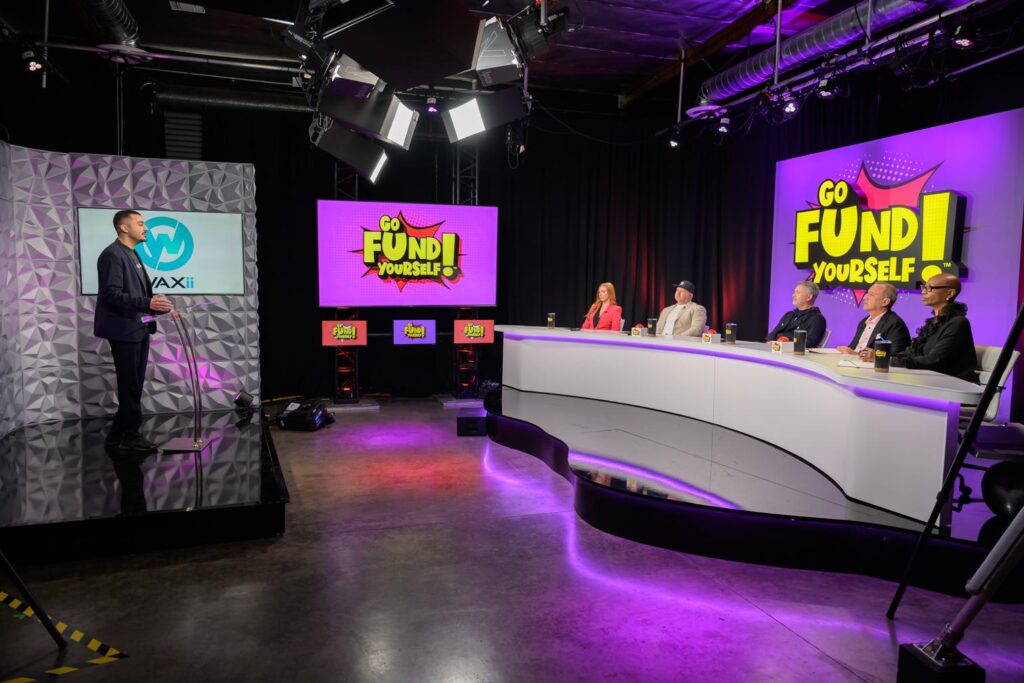
Moe Jumaa, founder of WAXii Holdings LLC, isn’t trying to build just another rideshare app. Instead, he’s developing a platform designed specifically for underserved and emerging markets, beginning in the Bahamas and expanding across the Caribbean.
WAXii’s strategy diverges sharply from traditional rideshare models. Rather than disrupting local ecosystems, the company partners with existing fleets, local operators, and government stakeholders to create a system aligned with regional economic priorities. The result is a platform that prioritizes driver earnings, offers lower fees, and keeps more revenue circulating locally.
For regions where transportation infrastructure often struggles to keep pace with tourism growth and urban expansion, that model could prove transformative.
Learn more here.
Reinventing Medical Tools Through Human-Centered Design
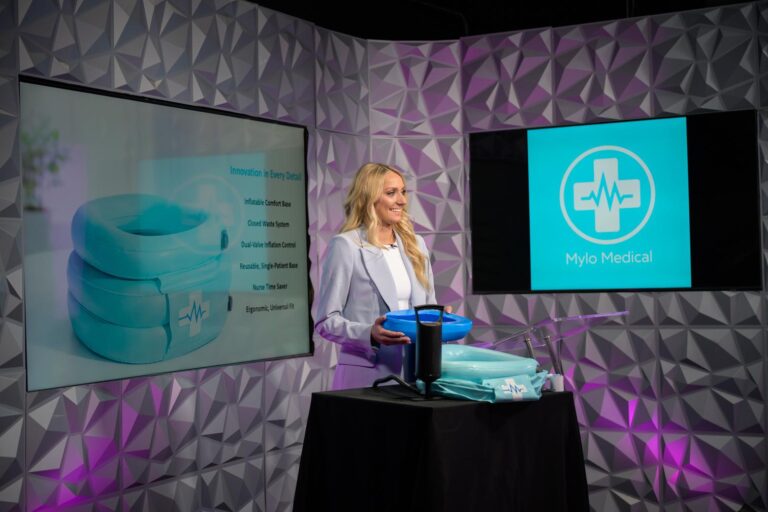
While WAXii addresses movement and infrastructure, Mylo Medical Supplies focuses on a quieter but equally important issue: patient dignity.
Founder Nadia Tedeschi is rethinking overlooked medical tools using patient-centered engineering informed by real clinical insight. Instead of designing solely for manufacturing efficiency, Mylo aims to improve comfort, usability, and workflow efficiency for both patients and healthcare providers.
As the company moves toward early market entry and scalable deployment, its approach reflects a broader trend in health innovation — solutions that emphasize human experience alongside technical performance.
Explore the company here.
Mentorship Meets Momentum
What distinguishes Go Fund Yourself from traditional pitch shows is its emphasis on mentorship as much as investment. Founders don’t just present; they receive strategic feedback from a panel of powerhouse business leaders, including Rory Cutaia, Jayson Waller, and David Meltzer.
Each brings a different lens to the table — from SaaS and technology scaling to brand building and investor relations — giving founders insights that extend well beyond a single episode.
For startups, that combination of visibility and guidance can be as valuable as capital itself. Real-time exposure to audiences, investors, and potential partners creates momentum that traditional fundraising cycles often struggle to match.
The show’s model reflects a shift in how startups gain traction. Media presence is no longer a vanity metric; it’s a growth engine. Exposure builds credibility, credibility attracts partnerships, and partnerships unlock scale.
A Platform for the Next Wave of Founders
As more founders look for alternatives to closed-door venture capital processes, platforms like Go Fund Yourself are positioning themselves as launchpads for the next generation of entrepreneurial stories.
By blending entertainment with actionable mentorship and investor access, the series captures what modern entrepreneurship looks like: fast-moving, highly visible, and deeply collaborative.
For viewers, it offers a front-row seat to innovation in motion. For founders, it represents an opportunity to step onto a stage where ideas can evolve into partnerships, funding, and real-world impact.
Founders interested in appearing on future episodes can apply here. Check out the replays on Cheddar TV? Click here.