
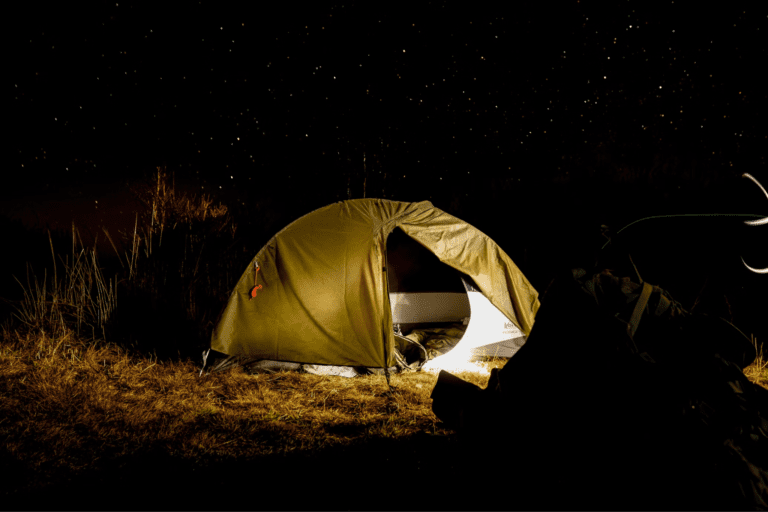
Venturing into the wild has never been more thrilling, thanks to a wave of startups revolutionizing the outdoor gear market. These new players, which are leveraging technology, sustainability, and user-centric designs, are transforming how we experience the great outdoors. It is to the point that the industry, valued at $70.22 billion in 2023, is projected to reach a staggering $129.10 billion by 2032.
The Role of Technology in Outdoor Gear
Technology is a game-changer in the outdoor gear market, making equipment smarter, safer, and more efficient. From GPS-enabled wearables to advanced riflescopes, tech integration is setting new standards.
Smart Fabrics and Materials
The development of smart fabrics and advanced materials redefines how outdoor enthusiasts equip themselves. They offer enhanced durability, weather resistance, and comfort, making them ideal for harsh environments.
Innovations such as moisture-wicking textiles, temperature-regulating fabrics, and high-performance insulation are becoming staples in outdoor gear as well. This is because smart materials like these improve performance and contribute to sustainability by utilizing biodegradable or recycled components.
As a result, adventurers can enjoy greater reliability and functionality without compromising environmental responsibility.
Wearable Technology
Wearable technology has surged in popularity among outdoor enthusiasts because of features like GPS tracking, heart rate monitoring, and weather updates. They are functionalities crucial for ensuring safety and optimizing performance during outdoor activities. Moreover, while companies like Garmin and Apple have led the way, startups are also making significant strides.
Precision Equipment
Precision equipment, particularly riflescopes, has seen remarkable advancements. Sightmark, for example, offers innovative rifle scopes that incorporate advanced optics and digital enhancements. These improvements boost performance and ensure safety and precision in activities like hunting and shooting.
Here are other equipments to explore:
- Night vision goggles: These devices enable individuals to see in low-light conditions, utilizing infrared technology to amplify surrounding light and provide clear vision even in the darkest environments. Startups are pioneering lightweight designs with enhanced battery life, particularly useful for nighttime navigation and wildlife observation.
- Laser rangefinders: Essential for hunters and golfers alike, laser rangefinders measure the distance to a target with incredible accuracy. Recent innovations have improved their range and precision, making them indispensable tools for users seeking to enhance their accuracy over long distances.
- Digital binoculars: These binoculars incorporate digital technology and provide features such as image and video capture, allowing users to document their sightings easily. Some models also offer real-time data overlays, enhancing the observational experience for birdwatchers and nature enthusiasts.
- Precision fishing gear: Tech-enhanced fishing rods and reels equipped with sensors offer real-time feedback on line tension and bait activity. These advancements aid anglers in improving their catch rates by providing crucial insights into underwater conditions and fish behavior.
Sustainability in Outdoor Gear
Sustainability is increasingly a focal point for startups in the outdoor gear market. Companies are adopting eco-friendly practices, from using recycled materials to implementing sustainable manufacturing processes.
Eco-Friendly Materials
More startups are using eco-friendly materials like recycled plastics and organic fabrics. These materials offer durability and performance comparable to traditional options but with a reduced environmental impact. Brands like Patagonia and Tentree are leading examples of this trend.
- Recycled plastics: Many brands are turning to recycled plastics derived from post-consumer waste, such as discarded water bottles, to create gear that is as resilient as it is sustainable. This initiative not only diverts waste from landfills but also drastically reduces the carbon footprint of producing virgin plastic materials.
- Organic fabrics: Organic cotton and hemp are gaining popularity for their minimal environmental impact during cultivation. Grown without synthetic pesticides or fertilizers, these materials help maintain soil health and promote biodiversity while providing breathable and comfortable options for outdoor enthusiasts.
- Bio-based polymers: Derived from renewable resources like corn or sugarcane, bio-based polymers are offering an eco-friendly alternative to conventional synthetic fibers. They provide the durability and flexibility needed for outdoor gear while contributing to a circular economy by reducing reliance on fossil fuels.
- PFC-free water repellents: Traditional water-repellent coatings often contain perfluorinated chemicals (PFCs) that harm the environment. Startups are now developing PFC-free alternatives that maintain water resistance without compromising environmental safety, ensuring protective gear remains effective while eco-conscious.
- Reclaimed wool: Reclaimed or recycled wool involves repurposing fibers from discarded garments. This process conserves energy and resources while delivering high-performance insulation, known for its natural ability to regulate temperature, making it ideal for harsh outdoor conditions.
Sustainable Manufacturing
Sustainable manufacturing practices are being adopted to minimize carbon footprints. These include utilizing renewable energy sources, reducing waste, and implementing efficient production processes. These steps ensure that outdoor gear is produced in an environmentally responsible manner.
Enhancing User Experience
Spending time in nature can significantly decrease anxiety levels, stress, and feelings of anger, making it imperative for outdoor gear companies to focus on enhancing user experience. As adventurers seek solace and rejuvenation in natural settings, the gear they rely on can greatly influence the quality of their outdoor activities.
From comfort-focused designs to intuitive technology integrations, the goal is to create equipment that meets the needs and enhances the enjoyment of casual explorers and seasoned adventurers. By prioritizing user-centric innovations, outdoor gear companies not only improve the effectiveness of their products but also contribute to the overall well-being of their users.
Customizable Gear
Customizable gear allows users to tailor their equipment to their specific needs. Features like adjustable straps, modular components, and personalized settings enhance comfort and usability, making outdoor activities more enjoyable.