
Entrepreneurship is often romanticized in America. It is framed as a clean arc of vision, execution, and success. In reality, it is far messier. As many have stated, it takes years of sacrifice to create an overnight success.
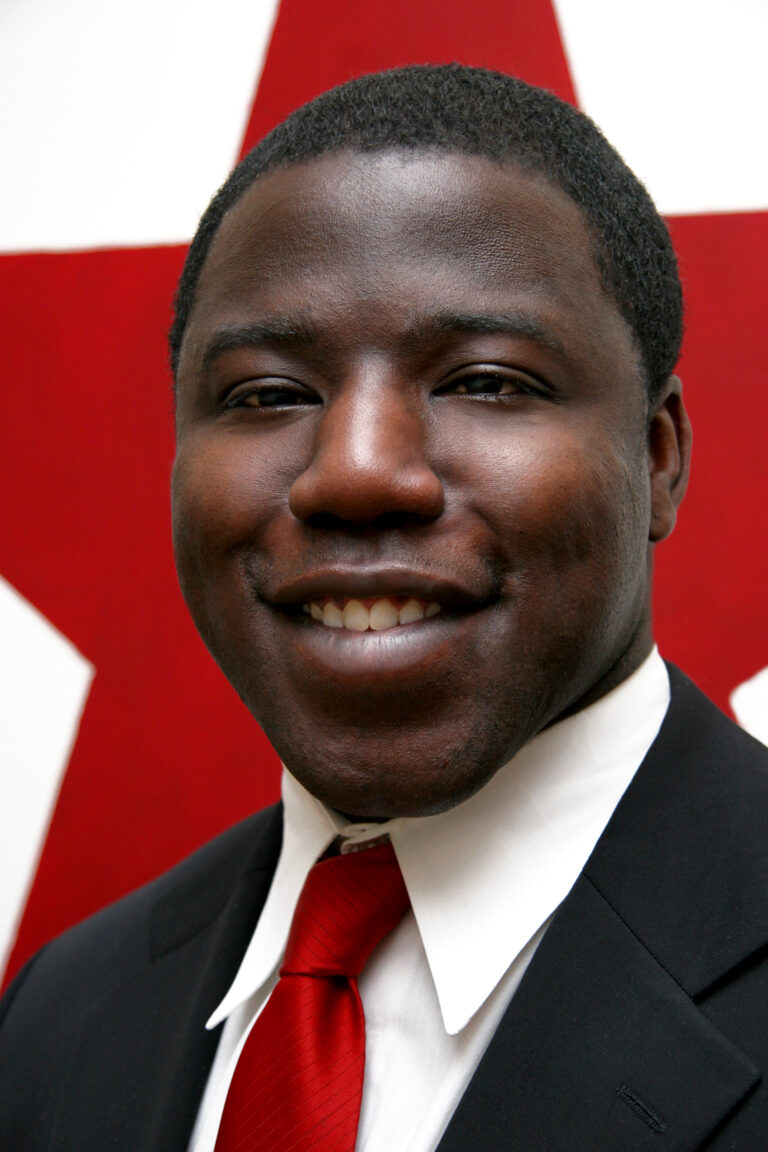
It unfolds in gray areas shaped by timing, trust, perception, and risk. Few stories illustrate that complexity more clearly than that of Kwasi Asare.
The son of Ghanaian immigrants who arrived in New York City in the 1960s, Asare was raised in Bensalem, Pennsylvania, in a household grounded in faith, education, and belief in the American Dream. When state law deemed him too young to enter first grade, his parents challenged the limitation. After testing into an advanced academic track, he was placed in gifted humanities programs that would shape his intellectual trajectory.
That foundation led to the University of Pennsylvania, where he studied International Politics. His early career began in finance at Salomon Smith Barney, where he worked just blocks away from the World Trade Center during the September 11 attacks. Witnessing that inflection point firsthand prompted a reassessment of ambition and purpose, a reckoning shared by many professionals of his generation.
The reassessment led west. A biography of entertainment executive David Geffen inspired a pivot from finance to culture. In the early 2000s, as the music industry wrestled with digital disruption, Asare positioned himself at the frontier of change.
Working with major labels including Sony Music Entertainment, Atlantic Records, and Warner Music Group, he helped pioneer digital marketing strategies during a period when online fan engagement was still experimental. Campaigns unfolded on emerging platforms like Myspace and YouTube, laying the groundwork for what would become the modern creator economy. He also contributed to early research that helped shape platforms like Vevo and led digital initiatives for artists including Prince, Outkast, Pharrell Williams, Nas, and the Wu-Tang Clan.
Yet culture, for Asare, was never separate from civic engagement. In 2004, he helped launch Music For America, aligning artists with voter participation efforts. During the 2008 presidential cycle, he developed advocacy platforms supporting Barack Obama, engaging surrogates such as Jay-Z and Mary J. Blige. By 2012, he cofounded Startup Rock On to bring together leaders in technology and public policy, featuring then–Vice President Joe Biden, The Roots, and Steve Aoki. In 2016, He built Innovation Live to bridge convention politics and cultural influence, headlined by The Unity Party celebrating Hilary Clinton with a performance by Snoop Dogg.
For more than a decade, the through line appeared consistent: leveraging culture to expand global civic dialogue while building commercially viable platforms.
Then came the collision between vision and risk.
In 2018, Asare began developing a new concert investment model aimed at increasing artist revenue and control while offering structured access to live entertainment deals. The concept emerged at a time when live music was becoming the industry’s most reliable revenue engine. Meetings followed. Partnerships formed.
An introduction to industry contacts promoting a slate of high-profile concerts appeared, at least initially, credible. Shared networks lent perceived legitimacy. What was not fully visible was a troubling pattern tied to one individual involved, a history of taking deposits without executing events.
As scrutiny across the live event sector intensified following the fallout from the Fyre Festival, federal investigators began examining multiple deals. In May 2019, Asare was briefly detained and questioned.
The legal outcome was swift. After documentation and counsel clarified his role, the case was dismissed within months.
No wrongdoing was found.
But in the digital age, reputational gravity operates independently of legal resolution. Search results do not distinguish between proximity and culpability. Due diligence rarely accounts for nuance. In industries built on perception, association alone can become a liability.
Entrepreneurship in creative sectors often requires moving quickly, trusting collaborators, and operating ahead of formal safeguards. It also demands judgment, particularly about character. This episode underscores a broader lesson for founders navigating culture-driven industries: proximity to opportunity frequently carries unseen exposure.
Today, Asare continues working at the intersection of entertainment, innovation, and sustainable development, partnering with NGOs and United Nations–aligned initiatives focused on advancing the Sustainable Development Goals and envisioning a post–fossil fuel economy. His long-term ambition, improving the quality of life for more than one billion people by 2050, reflects a return to foundational values shaped by immigrant sacrifice and early educational access.
This is not a story about scandal. It is a story about strength in the face of adversity, how easily reputation can shift, how quickly timing can alter trajectory, and how integrity must be actively guarded in the gray spaces of modern entrepreneurship.
Building in those gray spaces is unavoidable. Surviving them and continuing to build is what defines resilience.