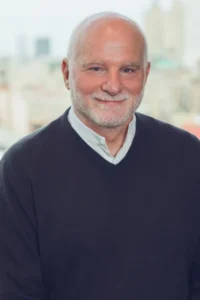
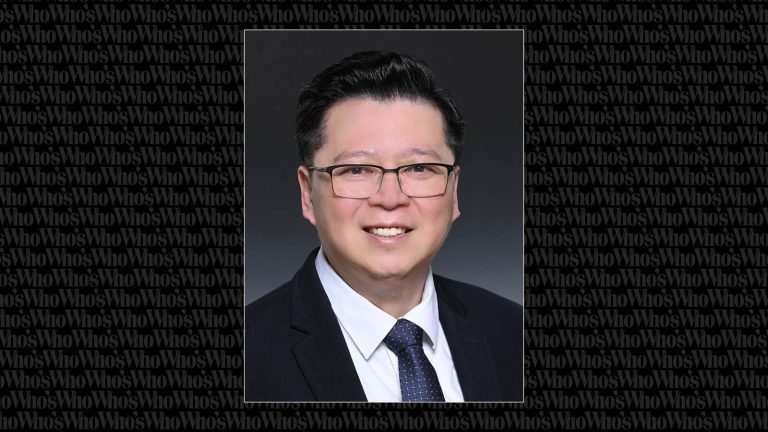
“My goal is to help chronic pain patients not just manage pain but find meaning in their lives,” Dr. Bryan O’Young says. This philosophy is central to his work, where he focuses on empowering individuals to confront chronic pain without letting it define them.
Acute pain is a short-term condition that lasts less than three months and usually results from an injury, surgery, or illness. It comes on suddenly and usually resolves once the underlying cause is treated or heals. If left unmanaged, acute pain can sometimes transition into chronic pain, which persists beyond three months. Chronic pain can be continuous or intermittent and may result from various conditions such as arthritis, nerve injuries, or past injuries. Unlike acute pain, which serves as a warning signal for injury, chronic pain can persist even after the original cause has healed.
Treatment is more complex and often involves a combination of medications, physical therapy, psychological support, and lifestyle changes. “Chronic pain is not just a physical issue; it’s a multidimensional problem requiring a holistic approach. It includes sensory, physical, emotional, cognitive, behavioral, sociocultural, and even spiritual dimensions,” he observes. “The person should be viewed as a whole – mind, body, and spirit- rather than just focusing on symptoms or individual body parts.”
A Forward-Looking Approach to Chronic Pain Management
Dr. O’Young’s work in chronic pain management goes beyond traditional methods. He has developed a clinical algorithm for addressing chronic pain that focuses on identifying the root causes and minimizing reliance on medication. “Pain is like smoke,” he explains. “Blowing the smoke away doesn’t solve the problem. We need to address the fire and the fuel feeding the fire.” This approach, which includes mindfulness, relaxation techniques, and an understanding of emotional, cognitive, behavioral, and sociocultural factors, has had a transformative impact on his patients.
Dr. O’Young is also a leading figure in integrating spirituality into chronic pain management. “Based on an extensive Gallup poll, more than 90% of Americans believe in God or a universal spirit, and this information is vital when it comes to managing health issues,” he points out. His approach recognizes the importance of patients’ spiritual beliefs and how they contribute to healing. By addressing the spiritual aspects of pain, he helps his patients find meaning in their suffering.
Teaching and Leading on the Global Stage
In addition to his clinical work, Dr. O’Young is an educator who has impacted thousands of medical professionals worldwide. He has lectured in 26 countries and has been instrumental in developing international exchange and educational programs for medical students, residents, and fellows. “I’m proud to teach and share what I’ve learned with others,” Dr. O’Young explains. “I believe continuous learning and adaptability are essential to success in medicine.”
Dr. O’Young’s leadership in chronic pain management extends to his work with the United Nations and various global health initiatives. As chair of the U.N. Liaison Committee of the International Society of Physical Medicine and Rehabilitation, he advocates for global and regional policies and guidelines that promote effective pain management and optimize functional outcomes.
Looking Forward: Expanding Global Impact
Dr. O’Young plans to expand his work internationally, particularly in collaboration with the U.N. “I want to make a broader impact on the medical field by promoting U.N. initiatives to ensure that no person with pain and disability is left behind,” he stated. His vision includes advocating for better chronic pain management practices and expanding healthcare access for underserved populations.
Dr. O’Young’s commitment to holistic healing, education, and global advocacy reflects his dedication to improving lives beyond the clinical setting. He remains steadfast in his mission to empower others to live meaningful and fulfilling lives, despite their pain and suffering.
“Life is not just about surviving,” Dr. O’Young concludes. “It’s about finding purpose and living fully.”