
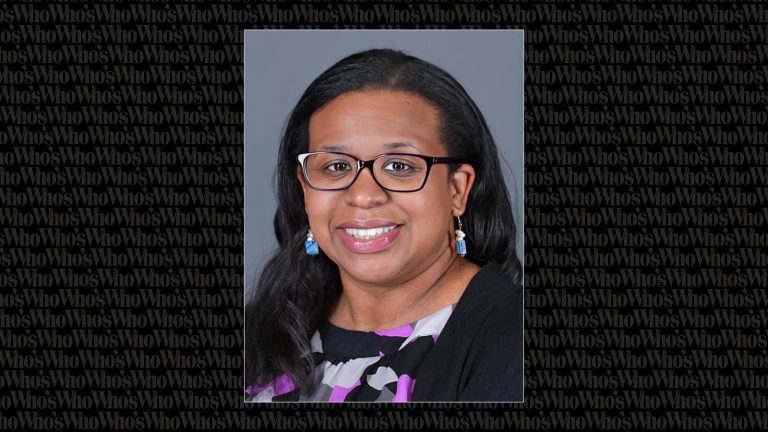
Biomedical engineering often centers on devices, data, and diagnostics. However, Brooke M. Odle, PhD, doesn’t lose sight of the people impacted by new advancements. As the assistant professor of engineering at Hope College, Dr. Odle always asks how things work, how they help, and whom they serve. This intellectual curiosity has been the driving force behind her impressive 11-year career.
An Early Focus on Biomechanics
Dr. Odle began her academic journey with a bachelor’s degree in bioengineering from the University of Pittsburgh in 2006, followed by a master’s degree in biomedical engineering from the New Jersey Institute of Technology in 2009. In 2014, Dr. Odle earned a Doctor of Philosophy in biomedical engineering, also from the New Jersey Institute of Technology. “The bulk of my training was in spinal cord injury research within biomechanics,” she says. She focused specifically on wheelchair biomechanics.
At the postdoctoral level, Dr. Odle shifted her focus to computational modeling. “I went from keeping people in their wheelchairs to getting them out of their wheelchairs,” she says. She applied electrical stimulation and developed control systems to help individuals with spinal cord issues stand and maintain their balance.
Caregiver Safety Takes Center Stage
Dr. Odle’s research projects also extended to caregiver safety. While engaged in postdoctoral work at Case Western Reserve University, she grew concerned about caregivers lifting patients out of wheelchairs. “There is a high incidence of low back injury, so I pivoted away from focusing on spinal cord injury to looking at caregivers in general and how they interact with patients,” she says.
One incorrect lifting motion could result in a caregiver being injured. This observation led to a broader effort to prevent mishaps among nurses and other health care professionals. In addition to investigating how they perform physical tasks, Dr. Odle and her team are “looking at whether [they] can use wearable sensors to provide feedback.”
Growth Through Hands-On Learning
Since joining the faculty of Hope College in Holland, Michigan, in 2020, Dr. Odle has become known for her hands-on teaching style. Many students begin research in the summer after their freshman year, and those who attend the lab for multiple summers often leave with graduate-level experience.
Committed to mentorship, Dr. Odle watches students present at conferences, provides career guidance, and connects them with job opportunities. For example, when a teaching assistant needed direction for their next step after college, Dr. Odle helped them secure a job shortly after graduation. It’s moments like these that define her version of success.
Support From Strong Women
Dr. Odle attributes her passion for learning to her tight-knit family of educators. Her mother is a middle school principal, her aunts work in the K-6 system, and her grandmother is an elementary school librarian. Dr. Odle also notes that her faith has played a pivotal role in her academic endeavors.
Community service was an integral part of Dr. Odle’s upbringing. Currently, she gives back by mentoring students and postdocs in the American Society of Biomechanics. She previously served as the secretary of the Northeast Ohio Professional Chapter of the National Society of Black Engineers.
Practical Experience Drives Student Success
A recipient of the Towsley Research Scholarship, Dr. Odle plans to integrate engineering research with Hope College’s nursing program. These projects will involve collaboration between students from both disciplines, who will gain practical experience in clinical environments through their participation.
Dr. Odle also hopes to secure funding for more labs, tools, and hands-on learning experiences, which will further prepare students for their next steps. Whether her students plan to enter the workforce, attend graduate school, or conduct independent research, Dr. Odle has empowered them with practical experience that will ensure their success.