For most of modern home life, a certain amount of inconvenience was simply accepted as part of owning household appliances. Vacuums needed to be untangled. Air filters had to be cleaned. Pet hair found its way into corners, onto furniture, and eventually into the appliances designed to remove it. These tasks rarely appeared in advertisements because they were considered unavoidable, the kind of maintenance that came with keeping a home clean.
Yet many of the frustrations people experience around the house are not the large projects that occupy an entire weekend. They are the small, repetitive jobs that return every few days and gradually become part of everyday life. Cleaning hair from a brush roll, emptying accumulated fur from a filter, finding somewhere to place a cordless vacuum while moving furniture, or stopping midway through a room because a battery has run low may take only a few minutes at a time. Over the course of months and years, however, these interruptions often become the part of the experience people remember most.
That shift in consumer expectations has quietly changed the way many household products are being designed. Instead of focusing exclusively on stronger motors, additional settings, or increasingly long feature lists, manufacturers are devoting more attention to the smaller frustrations that make routine tasks feel more difficult than necessary.
Vacuums offer a useful example because the category has changed dramatically over the past decade. The move away from cords solved one problem while introducing several others. Cordless models became lighter and easier to maneuver, yet many owners discovered that hair wrapped around rollers, batteries sometimes struggled to finish larger jobs, and the vacuums themselves often had nowhere to go once another task required both hands.
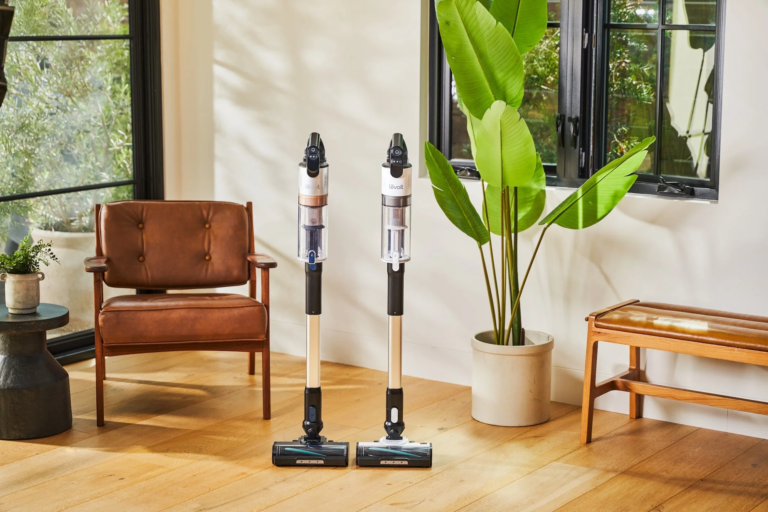
The Levoit LVAC-300 Cordless Vacuum reflects how much attention manufacturers now give to these smaller inconveniences. Its TripleStrike Technology is designed to cut through collected hair before tangles develop, reducing the maintenance that often requires scissors and manual cleaning. The vacuum’s self-standing design may appear to be a modest feature, but the ability to step away without leaning the vacuum against a counter or wall addresses a surprisingly common frustration. Combined with battery life that can reach up to 60 minutes under certain conditions, the product feels less focused on the act of vacuuming itself and more focused on eliminating the interruptions that surround it.
The same thinking increasingly appears in products designed for pet owners.
Living with animals introduces a different set of household routines, many of which have little to do with the pets themselves and more to do with managing what they leave behind. Hair collects on floors, furniture, and filters. Odors settle into fabrics and living spaces. Air purifiers have become increasingly common additions to pet-friendly homes, but they also introduce another appliance that eventually requires maintenance.
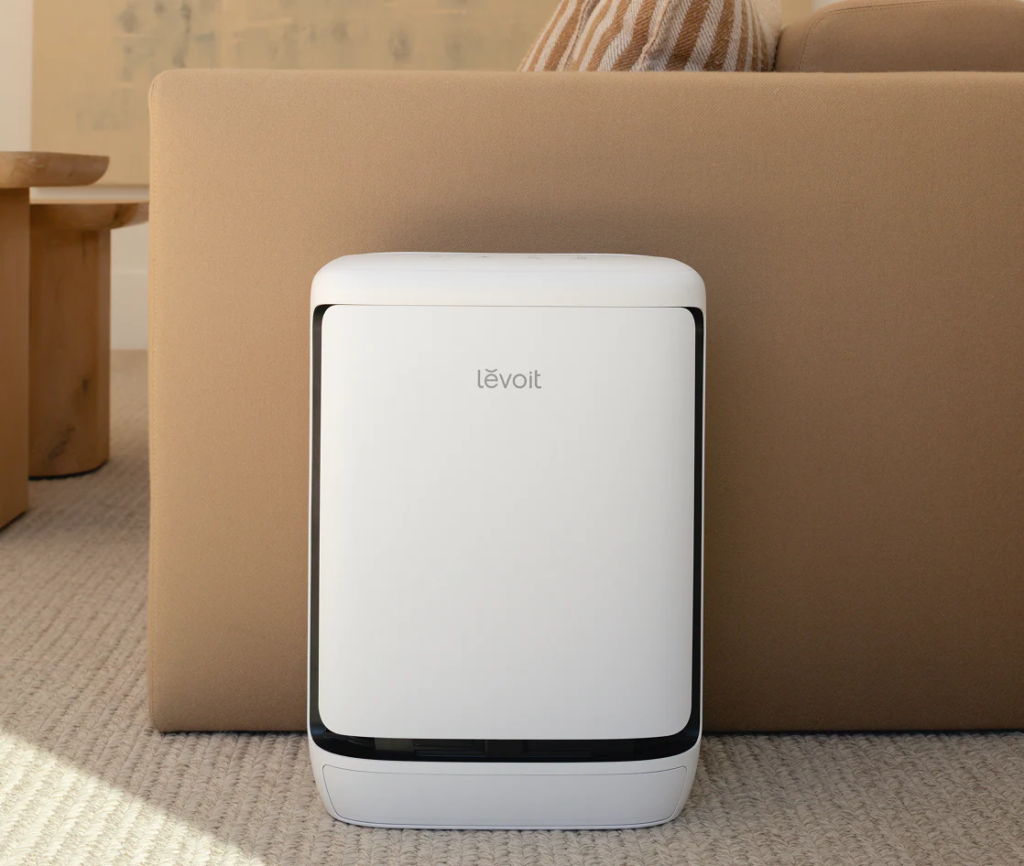
The Levoit Vital Pet Pro Smart Air Purifier approaches that challenge from an unusual direction. Rather than relying on owners to regularly remove and clean the pre-filter, the unit contains a built-in scraper that automatically clears accumulated hair and debris into a removable collection tray. The system operates on a scheduled basis and can be adjusted through the VeSync app, reducing one of the more common maintenance tasks associated with air purification.
Its three-stage filtration system addresses pet fur, odors, and airborne compounds, but perhaps the more interesting aspect is the degree to which the product attempts to maintain itself. For households with multiple pets, keeping an appliance functioning properly often becomes just as important as the appliance’s original purpose.
This may explain why some of the most noticeable changes in home products are now the ones that receive the least attention. Consumers rarely discuss brush speeds, airflow measurements, or filtration statistics in everyday conversation. Instead, they remember the vacuum that did not require constant maintenance or the air purifier that continued operating effectively without becoming another item on the household to-do list.
For years, the promise of home technology centered on doing more. Today’s products increasingly succeed by asking homeowners to do less. The value is no longer found entirely in performance specifications or longer lists of features, but in the gradual removal of small inconveniences that people have tolerated for decades.
Most household chores are unlikely to disappear entirely. Floors will still need cleaning, pet owners will still deal with shedding, and appliances will always require some degree of upkeep. Yet the products finding the most practical solutions are often the ones focused on the parts of these tasks that people never particularly liked in the first place.
In many ways, the future of home products may not be about making chores faster. It may simply be about making them easier to forget.