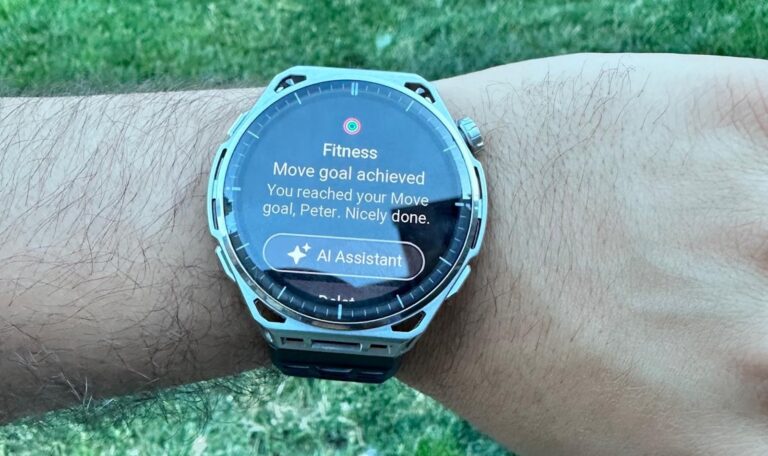
I’ve been wearing the Amazfit Balance 3 for a few weeks now, and somewhere along the way it developed an annoying habit.
It started telling me things I didn’t want to hear.
Not literally, of course. But there were multiple mornings when I’d wake up, glance at the watch, and see that my recovery wasn’t where it should be. The old version of me would have ignored that information completely. The current version of me—the one who’s closer to 40 than 30, spends too much time in airports, and occasionally mistakes stubbornness for discipline—has learned that those warnings are usually right.
That’s probably the biggest surprise I’ve had with the Balance 3.
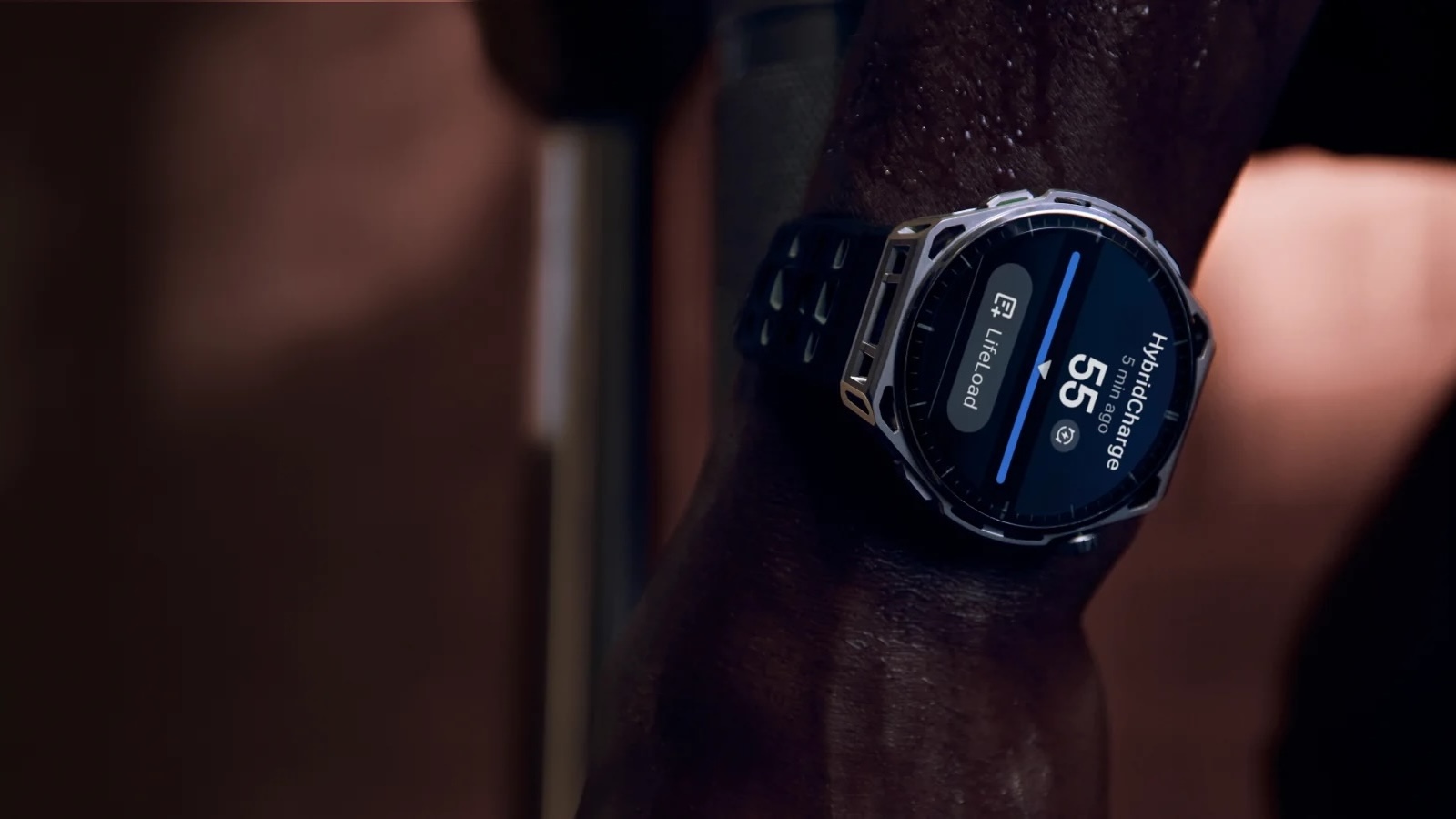
When I first heard about Amazfit’s new HybridCharge system, I assumed it would be another collection of wellness scores and training metrics that I’d check once and forget about. Instead, it became one of the few smartwatch features I’ve actually paid attention to every day.
First Things First: Amazfit Balance 3 Doesn’t Feel Like a $369 Watch
The smartwatch market has become weird lately.
You have budget watches that look expensive until you touch them, and premium watches that cost a fortune but somehow still feel plasticky.
The Balance 3 lands in a sweet spot.
The sapphire glass immediately gives it that reassuring “I don’t need to baby this thing” feeling. Over the past few weeks, it’s been knocked against gym equipment, dragged through TSA checkpoints, tossed into carry-on bags, and generally treated the way most real-world watches get treated.
So far, it looks pretty much the same as it did when I took it out of the box.
The AMOLED display deserves a mention too. It’s bright enough outdoors, sharp enough to make maps genuinely useful, and large enough that I’m not squinting at workout stats halfway through a run.
It’s one of those displays that makes older smartwatches suddenly feel outdated.

The Feature I Didn’t Expect to Care About
Most fitness watches are great at telling you what you’ve already done.
Congratulations, you ran five miles.
Fantastic, you slept six hours.
Wonderful, your heart rate went up during exercise.
The Balance 3 spends more time trying to answer a different question:
“What should you do next?”
That’s where HybridCharge comes in.
Amazfit combines recovery data, training load, stress levels, sleep quality, and daily activity into a single system designed to show how much you realistically have left in the tank.
Marketing language aside, what impressed me was how often it matched reality.
A few weeks ago, I came home after a work trip that involved two flights, terrible hotel sleep, and more coffee than any doctor would recommend. My plan was to head out for a hard run.
The watch essentially looked at my numbers and said, “Maybe don’t.”
I was annoyed.
Then I looked at the data.
Then I went for an easier workout.
The next day I felt significantly better.
I wish I could tell you this happened once. Unfortunately, the watch has been right often enough that I’ve stopped arguing with it.
A Better Watch for Real Life Athletes
One thing I appreciate about the Amazfit Balance 3 is that it doesn’t seem designed exclusively for elite athletes.
A lot of fitness wearables assume you’re training for an ultramarathon or preparing for some massive competition.
I’m not.
Most weeks I’m just trying to stay fit while juggling work deadlines, family responsibilities, travel schedules, and the occasional temptation to skip leg day.
The Balance 3 feels built for people like that.
You still get advanced metrics like VO₂ max estimates, training load analysis, lactate threshold data, and recovery insights. But they don’t feel buried inside a sports science textbook.
The information is there when you want it.
When you don’t, the watch stays out of your way.
GPS That Actually Keeps Up
I do a lot of running when I travel.
Partly because it’s exercise and partly because it’s the easiest way to see a new city before meetings start.
That means I rely heavily on GPS performance.
The Balance 3 has been excellent here.
Whether I was running through suburban New Jersey, navigating unfamiliar streets during work trips, or testing routes in crowded downtown areas, tracking was consistently accurate.
The offline maps ended up being more useful than I expected too.
Normally, smartwatch maps are one of those features companies love talking about and users rarely touch.
I actually used them.
Several times.
That’s probably the highest compliment I can give.
Battery Life Feels Almost Old School
Remember when watches lasted weeks instead of days?
The Amazfit Balance 3 does.
Battery life has become one of my biggest smartwatch frustrations. I’ve reached the point where I genuinely don’t want another device demanding daily charging.
The Balance 3 has been refreshingly low maintenance.
Even with regular workouts, notifications, GPS tracking, sleep monitoring, and health tracking running in the background, battery anxiety simply wasn’t part of the experience.
For frequent travelers, that’s a bigger advantage than it might sound.
Final Thoughts
The Amazfit Balance 3 isn’t trying to be the smartest smartwatch on the market.
It’s trying to be one of the most useful.
After several weeks of wearing it, that’s exactly what stands out.
The hardware is excellent. The battery life is genuinely impressive. The fitness tracking is detailed without becoming overwhelming.
But what keeps bringing me back is the way the watch helps connect all that information into something actionable.
Not every workout needs to be your hardest workout.
Not every day is the right day to push.
The Balance 3 understands that.
And if you’re anything like me—a gadget enthusiast who’s still trying to train hard while spending half his life in airports—you’ll probably appreciate having a watch that’s willing to remind you of it.