

Modern business has a paradox most executives won’t say out loud. Corporate transformation has grown more sophisticated over the last three decades by nearly every measure: sharper methodologies, more frameworks, better-sequenced roadmaps. The success rate of major organizational change initiatives, though, has barely budged. Companies keep investing, leaders keep planning, and the outcomes keep coming up short.
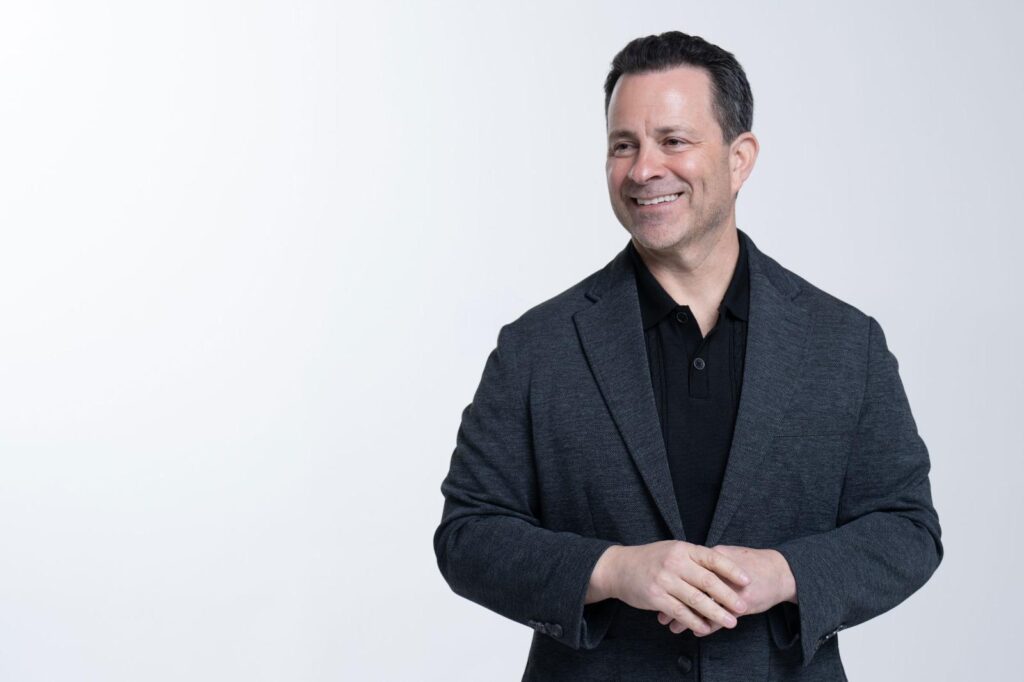
For Michael J. Lopez, founder of Michael J. Lopez Consulting, the explanation has been hiding in plain sight. The plan isn’t usually the problem. It’s how human beings actually respond to it.
That reframe is what puts Michael J. Lopez Consulting at the center of one of the most credible conversations underway in transformation and organizational change consulting today. It’s worth examining for any leader weighing their next investment in business transformation.
The Real Reason Transformation Strategies Keep Falling Short
The traditional model of corporate change rests on a clean, logical assumption: communicate the vision, equip leaders with toolkits, cascade the message, track milestones. Sounds reasonable. Thirty years of underwhelming results suggest otherwise, because the model treats change as an information problem rather than a behavioral one.
That, Lopez argues, is the structural blind spot the industry has been working around for years. A flawless plan handed to a workforce whose biology, identity, and stress responses aren’t engaged is still going to fail. Once leaders accept that, almost every priority inside a transformation gets reordered. Less attention goes to the elegance of the strategy, and more goes to whether the people executing it are physiologically prepared to adapt.
The 20-Year Big Four and Intelligence Career Behind Michael J. Lopez Consulting
Lopez built the firm on a credibility base that most consultants spend a career trying to assemble. He was a Managing Director at two Big Four firms, Ernst & Young and KPMG, with senior stops at Booz Allen Hamilton, Prophet Brand Strategy, and Smiths Interconnect. Earlier, he served as an Intelligence Officer in the U.S. Intelligence Community, including operations work inside the Defense Intelligence Agency.
That trajectory gives his diagnosis weight. He is not critiquing the consulting industry from the outside. He spent two decades inside it, observing transformation programs succeed and fail in real time. The firm’s roster reflects how seriously executives take that perspective. The portfolio of his clients includes: Entergy, Energy Northwest, Clorox, Vanguard, Meta, Lyft, Salesforce, DoorDash, Edward Jones, Compass Healthcare, Southwest Gas, Colgate, CalHFA, and the U.S. Air Force. That breadth marks a transformation consultant fluent across technology, healthcare, financial services, energy, consumer products, and government.
The Behavioral Neuroscience Behind Michael J. Lopez Consulting
The firm’s intellectual core is laid out in CHANGE: Six Science-Backed Strategies to Transform Your Brain, Body, and Behavior, Lopez’s book on behavioral neuroscience. His argument is direct: willpower isn’t the engine of lasting change, biology is. The human brain is wired to resist transformation, and most corporate transformation work unintentionally activates that resistance instead of working alongside it.
Lopez’s transformation method asks leaders to redesign change around the conditions in which the nervous system can actually process new information: calibrated stress, engaged identity, consistent practice, feedback loops that reflect how people genuinely integrate what they’re learning. In practice, executives stop relying on messaging alone to produce behavior change. They start designing environments, rituals, and interventions that make new behavior physiologically possible.
For modern professionals leading through volatile markets and constant restructuring, that distinction matters. It separates transformations that look great at kickoff from the ones that change actual behavior inside the workforce.
The 1,000-Worker Reuters Study That Exposed Corporate Change’s Blind Spot
Lopez didn’t arrive at this thesis through theory alone. Michael J. Lopez Consulting commissioned a national study of 1,000 American workers, comparing how organizations manage change against how employees actually adapt to it. Reuters later covered the findings: zero overlap between the two approaches. Companies were issuing messages calibrated for clarity and alignment. Workers were processing them through an entirely different cognitive and behavioral filter, shaped by stress, identity, energy, and repetition.
For HR leaders, executives reviewing transformation programs, and boards questioning the return on consulting spend, the implications are direct. Much of what’s being purchased in the transformation and organizational change consulting market is structurally misaligned with the people it’s meant to serve.
The Three Ways CEOs Hire Michael J. Lopez Consulting
The firm operates across three engagement types. Organizational consulting is the deepest, where Lopez and his team embed within a client to redesign transformation programs anchored in the company’s actual culture rather than a recycled framework. Executive advisory is the shoulder-to-shoulder work, where CEOs bring him in to accelerate stalled programs, pressure-test transformation roadmaps, and rescue engagements that have lost altitude. That’s where his Big Four experience is most useful.
One-on-one coaching is the most exclusive of the three, capped at a handful of arrangements per year, where Lopez works directly with senior leaders to shift their own behavior. Across all three, the methodology is the same: build the conditions for behavioral change, measure what happens, adjust as the data comes in. Lopez’s goal is not to do more. It’s to help clients do better and achieve the results they have been missing. This is why he personally leads every client transformation.

Why the AI Era Is Forcing Executives to Rethink Transformation Consulting
The clearest takeaway is straightforward. The next era of corporate transformation won’t be won with stronger plans. It’ll be won by leaders who can shift behavior inside their organizations while AI accelerates the pressure on every team, workflow, and workforce. Generative AI is rewriting job functions at a pace that felt unrealistic just three years ago, hitting workforces unprepared for the behavioral shift it requires. Software rollouts are well understood. Changing how people work alongside that software is what trips most companies up, and it’s the problem Lopez has been building toward for years. For executives serious about leading through complexity, Michael J. Lopez Consulting offers exactly the kind of evidence-based insight the moment requires.