
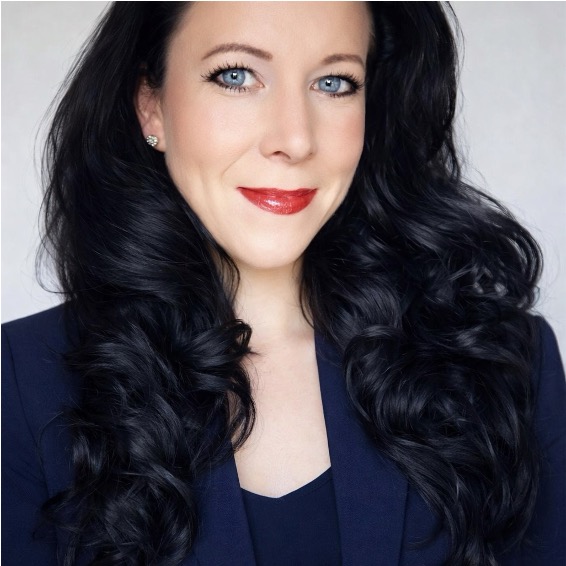
In New Hampshire’s White Mountains, Abbey Moore built Indigo Properties around local knowledge, hands-on service, and a hospitality model serving North Conway, Conway, and Bartlett, one property at a time.
On a morning at Indigo’s office on Kearsarge Road, the work looks less like “vacation rental management” than a steady stream of local problem-solving — guest questions, owner updates, maintenance calls, and the kind of recommendations only locals give well. That rhythm is exactly what Abbey Moore wanted to build.
Today, Indigo Properties manages vacation rentals across North Conway, Conway, and Bartlett with an approach that feels deliberately local: hands-on service, close owner relationships, and a focus on making each home run well rather than simply adding more of them. Moore has never been especially interested in building the biggest company in the room. She has been more interested in building one people trust.
What emerged was a company built less around scale than connection: owners who wanted direct answers, guests who noticed the details, and a local team that knew the valley well enough to solve problems quickly.
Starting From Scratch in Small-Town America
There were no investors or franchise systems behind the business in the early days. Moore started from scratch, relying on her instincts and a belief that hospitality could be done better. “I just felt people deserved more than a generic experience,” she says.
Instead of focusing on how many properties she could manage, she focused on how well each one was run. That meant being hands-on. It meant knowing the owners. It meant caring about what guests actually experienced, not just whether the booking went through.
Over time, that approach began to pay off. Owners stayed. Guests returned. Word spread. That early philosophy shaped the company as it grew: be hands-on, know the homes well, and never let efficiency come at the expense of the experience.
Indigo developed systems to support that standard, but the goal was never growth for its own sake. It was to build something dependable — a company owners could trust, and guests would want to return to.
The Systems Run Quietly in the Background
In an industry racing toward automation, Indigo offers a deliberate counterpoint. Moore and her team use artificial intelligence, dynamic pricing algorithms, and sophisticated operational systems — but always in service of human connection, never as a substitute for it.
“AI is not there to replace hospitality,” Moore explains. “Technology should support the work, not replace it.”
Guests may notice the local coffee, the recommendations, or simply how easy arrival feels. Most of the technology stays out of sight. That is the point. It is not meant to replace the feeling that there is someone real behind the experience.
Dynamic pricing strategies maximize owner returns while keeping homes accessible to families. Thoughtful automation handles basic logistics while personalized welcome notes create the memories that outlast any stay.
At Indigo, the goal is to let software handle the repetitive work, so the team has more time for the parts of hospitality people actually remember.

What Staying Local Looks Like
Moore’s local-first philosophy runs deeper than messaging. When guests book an Indigo property, their spending stays in the White Mountains — supporting local cleaners, maintenance crews, landscapers, and artisans. The company hires almost exclusively within the valley, and many employees grew up here.
“They know the area in a real way — where people actually go, what guests tend to love, and what kind of recommendations make a stay feel personal,” Moore says of her team. “That kind of insight can’t be taught — it’s lived. And that’s what makes our hospitality feel real.”
The local mindset reaches far beyond the home’s Indigo Manages. The company works closely with valley-based maintenance providers and other small businesses, keeping more of that investment in the Mount Washington Valley community. It has also built charitable giving into the guest experience, with optional early check-in and late check-out fees helping support area nonprofits. The initiative has raised more than $15,000 for local organizations, and twice a year the entire team votes on where the money will go next. “Guests love the idea,” Moore says. “They get extra flexibility, and we get to make a real difference locally.”
The People Who Shaped the Company
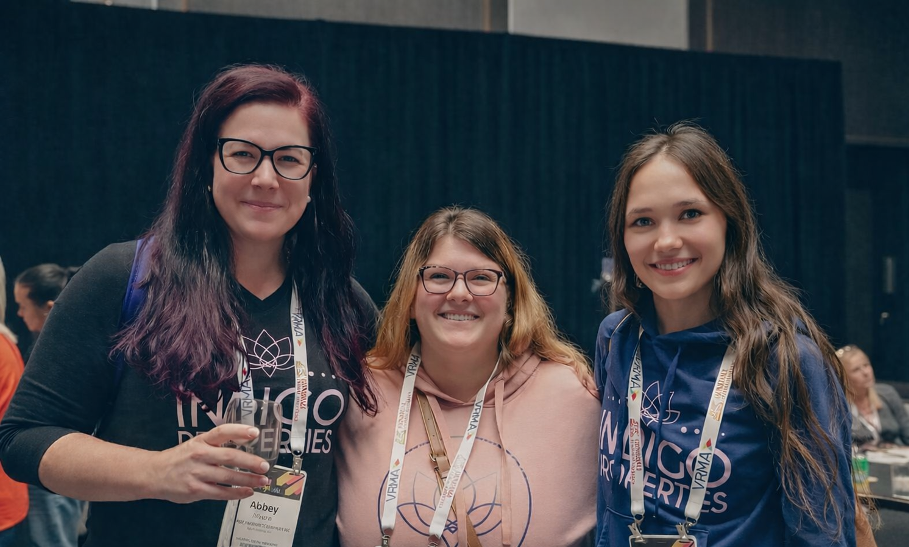
Ask Moore what she is proudest of, and she does not start with systems or revenue. She talks about her team. Many of the people around her grew into their roles over time, and their experience now shapes how the company works day to day. There is structure, but there is also familiarity — the kind that comes from building something with people who stay. That kind of culture does not happen quickly.
Building a team like that hasn’t been easy. Finding truly good people — people who care, take initiative, and want to grow with the company — is one of the hardest parts of the business, and it never happens overnight. It takes time, consistency, and a real commitment to creating an environment where people feel supported enough to stay and evolve.
“They’re the heartbeat of this company,” she says of her team. “Every day, they show up with creativity, integrity, and a genuine desire to make someone’s experience better.”
Redefining Responsible Growth
Short-term rentals are not without controversy, and Moore does not avoid that reality.
Poorly managed properties can create real issues for local communities. Noise, parking, and absentee ownership are common complaints.
Moore’s view is that the problem is not the model itself, but how it is managed.
“When it’s done properly, it can work,” she says. “But it has to be done properly.”
She serves on her town’s planning board and sits on the boards of two local nonprofits — positions that keep her directly connected to the tensions that unchecked short-term rentals can create.
It’s a standard she holds herself to with every decision. “At the end of the day, it’s about people,” she says. “The families saving up for their first ski trip. The owners who trust us with their investment. The locals who rely on this work. Every decision we make touches a life.”
That accountability shapes how she approaches growth and how carefully she thinks about the role short-term rentals should play here.
A Different Definition of Success
Moore has no plans to expand rapidly or roll the business out across multiple regions. If the company grows, she wants that growth to stay measured, local, and tied to the standards that made it work in the first place.
That choice runs against the logic of an industry that often rewards scale. But Moore’s version of success looks different. It looks like homes that are well cared for, owners who feel informed, guests who want to come back, and a business that still feels accountable to the place it operates in.
Running a company like that is not simple. There are late-night calls, unexpected problems, and constant pressure to get things right for both owners and guests. But in the White Mountains, Moore has built Indigo carefully and close to home — one relationship, one property, and one stay at a time.