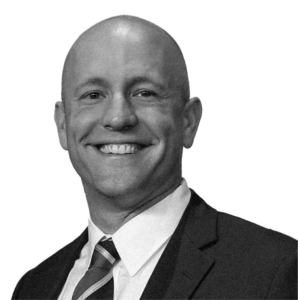
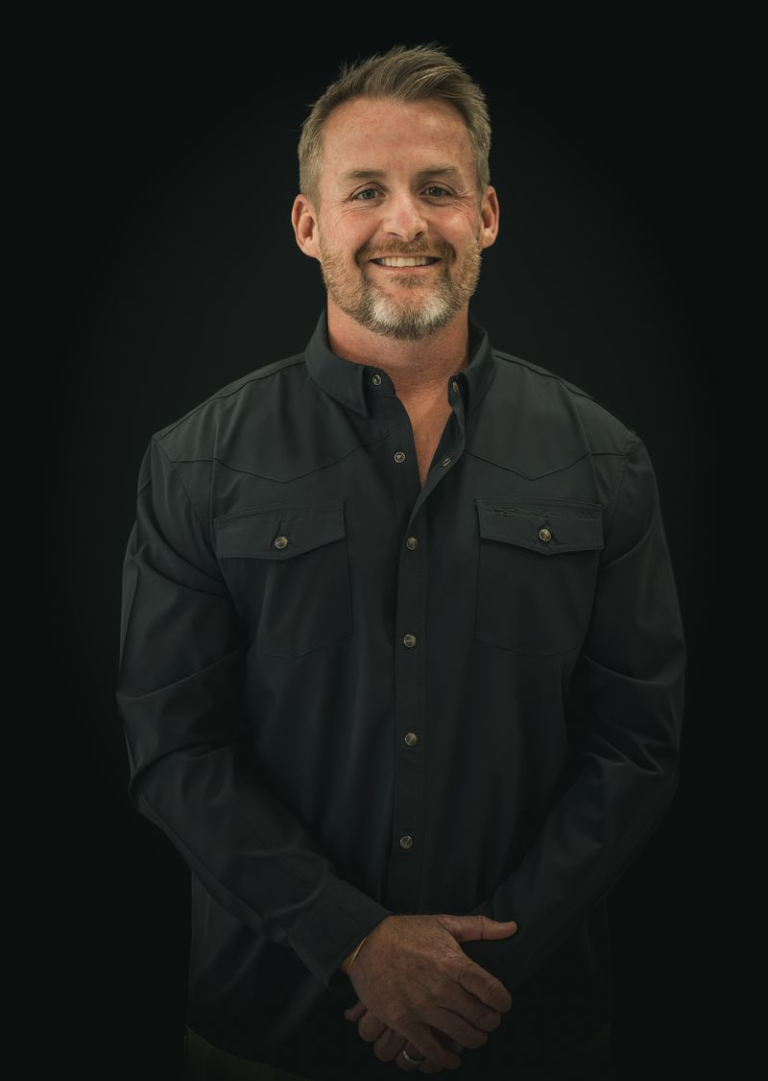
There is a specific moment Jake Brydon has seen play out across the roofing industry more times than he can count.
An owner builds a company to a meaningful size. Revenue is real. The business has traction. But somewhere along the way, the daily experience of running it stops being energizing and starts being exhausting. The warranty claims pile up. The administrative complexity multiplies. The owner is spending more time managing chaos than building something. The passion that drove the early years gets buried under the weight of operational friction that was never properly addressed.
That is when the for sale conversations begin. Not because the business is failing, but because it has stopped being fun.
Jake Brydon believes this is almost always a solvable problem. And the solution, in most cases, is not selling. It is removing the specific parts of the business that are draining the life out of running it.
Why Most Roofing Businesses Stop Being Enjoyable
Jake is direct about what kills the enjoyment of running a roofing company at scale.
It is not the revenue. It is not even the competition. It is the operational suck, the accumulation of manual processes, administrative bottlenecks, miscommunication between field and office, slow collections, estimation errors, and the general friction that comes from running a complex field operation without systems designed to handle that complexity.
Most roofing companies grow their revenue and then try to manage the resulting complexity by adding people. Another office coordinator. Another project manager. Another person to handle collections. Another layer of management to oversee the layers that already exist. Each hire feels like a solution in the moment and becomes part of the overhead problem within a quarter.
The business gets harder to run as it gets bigger, which is the opposite of what growth is supposed to deliver. And when running the business starts requiring more energy than it returns, owners start looking for the exit.
Jake watched this dynamic unfold with peers who were doing north of $100 million in revenue and still wrestling with overhead as their central constraint. He decided early that he was not going to build that version of the business.
Building RoofLink Out of Necessity
Jake did not set out to become a software founder. He set out to solve a specific operational problem that was limiting his ability to scale Heritage Construction without proportionally scaling the headcount behind it.
The core insight was straightforward. The activities that were consuming the most administrative time at Heritage, measurements, estimates, job approvals, supplier ordering, installation management, and payment collection, were all fundamentally information transfer problems. Data was being created in the field and then manually re-entered, communicated, and processed through an office team before the next step in the job could begin.
Every handoff was a delay. Every manual re-entry was an opportunity for error. Every error was a potential warranty issue, a margin problem, or a customer service failure. And the cost of managing all of that through people was showing up directly in the overhead structure.
RoofLink was built to collapse those handoffs. Instead of information traveling from the field to the office and back, the system puts the entire job workflow in the hands of the sales representative from the first knock to the final payment. Measurements happen in the field. Estimates generate automatically. Approvals route digitally. Supplier purchase orders trigger without office intervention. The back office function does not disappear, it simply stops being the bottleneck that everything else waits on.
The result at Heritage was a reduction from 17 office staff at $35 million in revenue to fewer than four staff at over $50 million. The business did not get harder to run as it grew. It got cleaner.
What Automating the Suck Actually Means in Practice
Jake talks about the goal of his system in terms that go beyond efficiency metrics. The point is not simply to run leaner. The point is to make the business enjoyable again by removing the specific friction points that were making it miserable.
When a roofing company owner is spending their days chasing down paperwork, correcting estimate errors, managing collections manually, and dealing with the downstream consequences of information that got lost between the field and the office, they are not running a business. They are administering one. And administration at scale without systems to support it is exhausting in a way that no revenue number compensates for.
What Jake built at Heritage, and what RoofLink delivers to the broader industry, is the ability to redirect that energy. When the operational suck is automated away, the owner gets their attention back. They stop reacting to the friction the business generates and start focusing on the things that actually move it forward. Growth strategy. Team development. Market expansion. The work that made building a business feel meaningful in the first place.
This is what Jake means when he talks about falling back in love with your business. The love was not gone. It was buried under a layer of operational drag that was never supposed to be the owner’s permanent responsibility.
The Connection Between Automation and Margin
There is a financial dimension to this that goes beyond the personal experience of running the business.
Every administrative role that RoofLink makes unnecessary is overhead that does not hit the margin. At Heritage, that equation compounds across dozens of jobs per week. The cost of manually processing each job through a traditional back office structure, when multiplied across the volume Heritage operates at, would represent millions of dollars in annual overhead that currently does not exist on the books.
That is a meaningful part of the story behind Heritage’s 14% EBITDA margin in an industry where most operators are working with five to seven percent. The automation is not just making the business more enjoyable to run. It is making it dramatically more profitable and more valuable than a comparable revenue operation built on traditional headcount.
Jake is explicit about this relationship. The business that private equity would want to acquire is not the one drowning in overhead and administrative complexity. It is the one that has already solved those problems. Which means the path to a high-value exit, if that is ever the goal, runs directly through the same automation work that makes the business worth staying in.
What Happens When Owners Skip This Step
The owners who do not address the operational suck tend to follow a predictable path.
Margins compress as overhead grows. The owner’s personal experience of running the business deteriorates steadily. At some point, often around a revenue number that feels significant enough to justify an exit, they start taking calls from buyers. They go through a diligence process that surfaces every unresolved operational problem and uses each one to negotiate the price down. They either sell for less than the business should be worth, or they walk away from the process more beaten up than when they started.
Jake describes the diligence process itself as one of the most enlightening and brutal experiences a business owner can go through, because buyers doing serious diligence will find everything that is wrong with the business and tell the owner things about their own operation they did not previously know. For a business that has not addressed its operational foundation, that process is punishing.
For a business that has already automated the complexity away, it is a very different experience. The systems are visible. The margins are defensible. The overhead structure tells a clear story about how the business operates and why it performs the way it does.
The Businesses That Are Worth Staying In
Jake’s broader point is that the businesses owners want to sell are usually not the businesses they should be selling.
The desire to exit is often a signal that something operational needs fixing rather than a signal that it is time to move on. When owners take that signal seriously and use it to diagnose what specifically has made the business hard to run, they frequently find that the problems are solvable. And once they are solved, the experience of running the business changes enough that the motivation to sell often disappears along with the friction that created it.
He has seen this pattern directly. Owners who go through the process of preparing a business for sale, cleaning up the systems, documenting the operations, building the infrastructure that a buyer would want to see, often arrive at the end of that process and decide not to sell. The business they prepared for a buyer turned out to be the business they wanted to run all along.
For Jake, that outcome is not a failed sale. It is the whole point.
Building a business that runs cleanly, generates strong margins, and does not require the owner to personally manage every operational detail is not just preparation for an eventual exit. It is what makes the business worth building in the first place and worth staying in for the long run.