
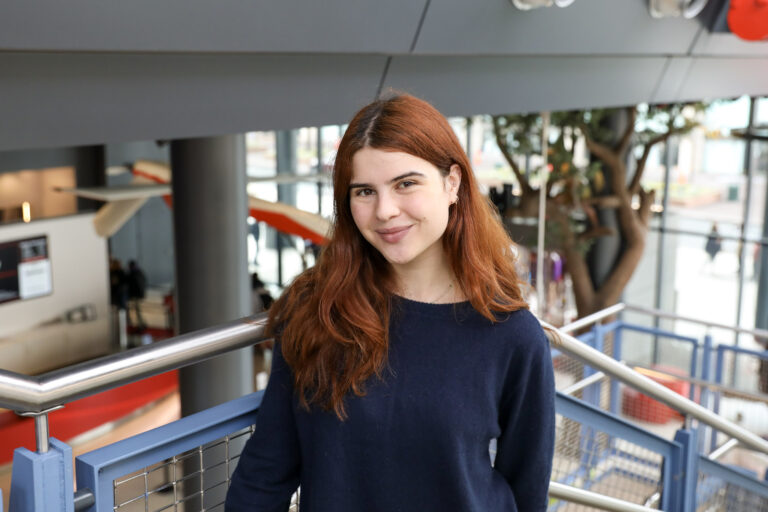
For Flora Warshaw, producer of the acclaimed SpyCast podcast from the International Spy Museum, the world of intelligence isn’t just about secrets and subterfuge; it’s about storytelling, education, and building a community. In a recent interview, the British producer, now based between New York and Washington, D.C., shed light on the delicate balance of podcast production, from the art of the ad read to the power of humanizing clandestine operations.
In an era of digital media saturation, the world’s longest-running espionage podcast producer reveals how authenticity and a clear mission cut through the noise. Warshaw, a Columbia University Graduate School of Journalism alumna who quickly rose to lead the esteemed podcast, emphasizes that not all advertisements are created equal. For SpyCast, the key is profound mission alignment.
“SpyCast has a sole sponsor, Palo Alto Networks, and we participate in ad reads; I think they’re great,” Warshaw stated. “Our sponsor aligns with our mission and it means we can add a personal twist to the advertisements that our listeners will hear.”
She explains that Palo Alto Networks, a global cybersecurity leader, is a natural partner. “At SpyCast, we explore the history and impact of intelligence and national security. In many ways, Palo Alto Networks is carrying that same mission forward in the digital world,” Warshaw explained. This synergy allows for authenticity, with host Sasha Ingber delivering the ad reads herself to foster a genuine connection with the audience.
When it comes to measuring success, Warshaw provides a nuanced view on the importance of podcast reviews. While SpyCast boasts an impressive 4.4 out of 5 stars from over 1,500 reviews on Apple Podcasts, she values broader metrics. “The intelligence world is definitely an interesting space with a lot of different opinions, so a few negative reviews doesn’t really define us,” she noted, adding that download numbers often provide a clearer picture of the podcast’s reach and impact.
The core of SpyCast’s success, however, lies in its educational mission and its role as a community hub. The podcast acts as a “bridge between practitioners, historians, and curious listeners,” making the niche field of espionage accessible. This community is deepened through the International Spy Museum’s ecosystem, which includes live recordings and member events, transforming the podcast from a passive experience into an ongoing dialogue.
A primary method for engaging this community is by humanizing the often-impenetrable world of spycraft. “It’s all about the personal stories,” Warshaw, a self-proclaimed history fanatic, emphasized. She cited gripping episodes featuring retired FBI agent Steven Conley, who uncovered a notorious double agent, and Brian Carbaugh, the former Director of the CIA’s Special Activities Center, as prime examples of the firsthand accounts that offer unparalleled insight.
Despite being a production of the International Spy Museum, Warshaw is adamant that SpyCast prioritizes education over self-promotion. While there is occasional synergy, such as the newly released “Camouflage Month” of episodes tying into the museum’s new exhibition, “Camouflage: Designed to Deceive,” the goal is always content-first.
“We don’t need to be self promotional as the museum is already an institution in and of itself. So really our podcast’s mission is to educate,” Warshaw said. “I don’t want anyone to feel like the podcast is inaccessible because they may be unaware of the International Spy Museum.”
Drawing on her academic background in History and International Relations, Warshaw and the SpyCast team continue to demystify intelligence history, proving that the most powerful tool in any producer’s arsenal is a compelling, well-told story.
SpyCast is available on all major podcast platforms, updating their podcast on a weekly basis. The “Camouflage: Designed to Deceive” exhibition is now open at the International Spy Museum in Washington, D.C. and runs until 2029.