
The cracks in America’s legal system aren’t just a problem for courts, they’re a threat to innovation and the future of business. When justice moves slowly, it costs companies time and money. When legal education fails to evolve, it floods the market with professionals unprepared for modern challenges. And when the system relies on plea deals over fairness, it erodes public trust, the foundation of any thriving economy. These are real obstacles to building, scaling, and leading with integrity in today’s world.
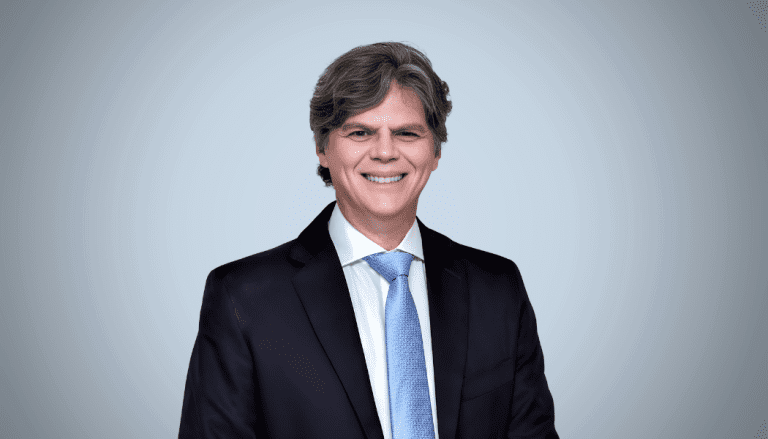
Ricardo Gueiros Bernardes Dias is a law professor and global legal researcher working to improve how the U.S. legal system operates. He focuses on areas like criminal justice, constitutional rights, and comparative law, which means studying how different countries approach similar legal problems. Through research appointments at the University of Houston, UC Law San Francisco, and Cambridge, Ricardo has examined what is working in other parts of the world and how those ideas can help the U.S. build a faster, fairer, and more modern legal system. His goal is to bring real-world solutions into legal education and policy, helping shape a system that better serves people and companies.
“Legal uncertainty obscures the path forward for innovators,” Ricardo says. While technology is pushing many industries forward, the legal system is often stuck in the past. Outdated rules, rigid structures, and unclear regulations can slow progress and create barriers to innovation. Ricardo’s work helps legal professionals identify smarter, modern approaches by studying how other countries handle similar challenges. By applying these global best practices, he aims to make American courts more efficient, fairer, and better prepared for the future.
Although it is true that fear of lawsuits and regulatory confusion are part of the problem, Ricardo also points out that legal unpredictability has a negative effect on both entrepreneurship and investment. “When the rules are unclear, or when there are no rules at all, founders and investors pull back and ideas rife with potential get left on the drawing board,” he says. “This is genuinely a structural problem that affects everything.”
So how do we change this? One step is to elevate the legal system’s understanding of up-and-coming technologies. People are often hesitant to embrace change, especially in a field that is so rooted in tradition, such as law, but that’s where many professionals get stuck in the past. For example, when legal pros have a nuanced understanding of AI algorithms or blockchain protocols, they can provide more accurate guidance and lead teams toward success in rendering fair judgments. Embracing these technologies is the only way forward.
Take nations like Singapore, the UK, and even smaller EU member states. They are implementing regulatory sandboxes, allowing companies to test out new products and services in a secure environment with flexible regulations. These nations are also investing heavily in highly specialized legal expertise so that interdisciplinary collaboration can occur. Unfortunately, according to Ricardo, the American legal system can do better.
“By its very nature and traditional pace, it struggles to keep up with the speed of entrepreneurship, mainly in disruptive technological sectors,” he explains. “While it is grounded in strong principles of due process and stability, those deliberative mechanisms often prove too slow-paced to address the rapid unforeseen shifts posed by technologies like AI or biotechnology.”
For America to lead the next wave of innovation, we need a foundational shift in how we think about regulation. Economic resilience depends not just on bold ideas, but on a legal system that can keep pace with change. That means streamlining regulatory processes, committing to legal clarity, and building a judiciary that understands emerging technologies and their real-world impact.
Ricardo’s work supports this mission. He champions policy reforms that align innovation with responsible regulation and research on how to encourage compliance without stifling creativity. These efforts are key to strengthening our legal foundation while building a more dynamic, future-ready economy.