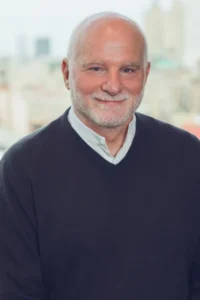
Few people can say they’ve spent six decades applying business acumen to improve lives. However, for Richard Sass, it’s a natural extension of his identity. As the executive chairperson and technical adviser at Origins FTD Inc. and Origins FTD Foundation Inc., Sass is focused on a bold, personal mission. This venture aims to support maternal and child health on a global scale, addressing a specific need in maternal care that blends technology, equity, and long-term support for children.
The Link Between Health Data and Real-Life Outcomes
At the center of Origins FTD’s efforts is maternal health as a service, or MHaaS. This digital health model supports better pregnancy outcomes and early childhood development. Sass’s goal is to improve the lives of future generations. The approach is to offer better support to pregnant women during the first 1,000 days.
Additionally, Origins is developing a system to connect AI-enabled insights with human care teams. This technology creates a “digital relationship bridge” between patients and providers. The model aims to reduce complications, lower NICU Admissions, and improve long-term learning capacity in children.
The concept is rooted in Sass’ understanding of chronic diseases, especially diabetes. While working with the Juvenile Diabetes Foundation, he helped promote more functional approaches to disease management. Sass’ glucose monitoring technology, iSense CGM, helped users manage their weight and normalize their glucose levels. Bayer Healthcare acquired it in 2008.
Every year, millions of births occur in North America alone. A significant portion involves women on Medicaid, and nearly a quarter of them have type 2 diabetes. Sass saw an opportunity to provide early support that could limit the development of that disease in the next generation.
Long-Term Investment in the Next Generation
Sass’ view of health care reaches beyond the hospital. The entrepreneur’s WellBeing 529 Dividend program connects the act of birth to future opportunity. The program links corporate profit-sharing to newborns via a dedicated education fund. As a result, Origins FTD creates a tangible resource that children can access at high school graduation.
The intention is to hold companies and communities accountable to children from the outset. This model echoes the company’s Giving Pledge. It reflects Sass’ belief that long-term success begins with structural support early in life.
Curiosity and Persistence as Operating Principles
Sass has seen the inside of acquisition meetings and public markets. He founded National Electric Cable in 1965 and, in 1991, AMP acquired the company and renamed it Precision Interconnect. This business continues to contribute to modern medical device production.
What defines Sass’ work, however, is not the companies he establishes. Instead, what stands out is the consistent motivation that gave rise to them. Sass credits his success to persistence and curiosity. These attributes have motivated him to continually ask how to improve outcomes and who might benefit.
Plans for a Global Network
Origins FTD is working with Oregon Health & Science University to establish a WellBeing Collaborative. The vision includes global teaching hospital hubs with local spokes reaching OB/GYNs, midwives, pediatricians, and endocrinologists. Plans include collaborations with the University of Washington, University of Victoria, McGill University, and University of Tokyo, among others, to build a Global WellBeing Collaborative as a behavioral health network.
Sass describes this chapter as his final one. However, his work suggests otherwise. The focus remains on building something of lasting value. For Sass, the Sass Health Care for Peace mantra probably best sums up this drive: “Imagine Possible.”