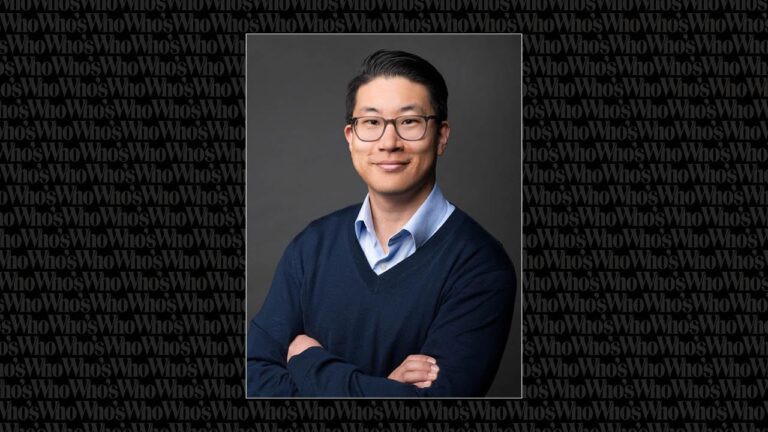
Francis S. Kim, MD, has made significant contributions to biomedical research and clinical care for adult and pediatric patients suffering from autoimmune diseases. His dedication to the field for the past 23 years has garnered recognition as a 2024 Marquis Who’s Who Top Doctor.
Marquis Who’s Who selects candidates with high prestige and honor in their respective fields. Dr. Kim has earned the title of a Marquis Who’s Who Top Doctor for his unique blend of clinical expertise, scientific curiosity, and patient-focused care that sets a high standard for the healthcare field.
The Challenges in Autoimmune Diseases
Autoimmune diseases are conditions in which a patient’s overactive immune system mistakenly damages healthy cells in the body, such as inflammatory bowel disease, rheumatoid arthritis, systemic lupus erythematosus, type 1 diabetes, and multiple sclerosis. These diseases are chronic, often with onset during childhood, and require lifelong immunosuppression to help control symptoms. However, there are currently no cures, and only a subset of patients are able to achieve clinical remission with available medications. This leads to poor quality of life and significant mortality in both children and adults.
Dr. Kim recognizes that children are exceptionally resilient, and he has always felt a particular imperative to help those with chronic and debilitating conditions lead as full and healthy lives as possible. He has accomplished this through evidence-based medical care, scientific research aimed at better understanding underlying mechanisms of disease, and a commitment to developing innovative therapies to address patients’ unmet needs.
Journey to Excellence: Background and Early Influences
Before medical training, Dr. Kim had an early interest in science. His first formative experience was working as a high school summer student in the neuroscience research laboratory of Drs. Steven Pfeiffer and Rashmi Bansal at the University of Connecticut Health Center, focused on understanding what regulates the differentiation of cells of the central nervous system called oligodendrocytes. These cells produce myelin sheaths that normally help transmit nerve signals quickly through the body and are pathologically attacked by the immune system in multiple sclerosis.
Fascinated by the emerging area of stem cell research, Dr. Kim then completed an undergraduate thesis in the laboratory of Dr. Douglas Melton while pursuing an AB in biology from Harvard University, where he investigated how to recapitulate normal embryonic development of the pancreas in order to direct stem cells to become the insulin-producing beta cells that are damaged in type 1 diabetes.
While it was a privilege to work alongside pioneers who discovered how to generate induced pluripotent stem cells (iPSCs), Dr. Kim was left wondering: even if scientists were able to generate enough functional beta cells in a dish to be transplanted back into a patient with type 1 diabetes, wouldn’t that patient’s autoreactive immune system still attack and destroy the cells?
This growing interest in autoimmunity and immunology led Dr. Kim to the blood stem cell research laboratory of Dr. Amy Wagers, also at Harvard University, where he completed a master’s thesis investigating the proliferation and localization of the hematopoietic stem cells that develop into all cells of the immune system, including the B and T lymphocytes that are pathogenic in autoimmune diseases. While there, he also led the laboratory’s participation in the Immunological Genome Project (ImmGen), a consortium of immunologists and computational biologists aimed at generating a complete transcriptional profile of the immune system of the mouse in health and disease.
In parallel with his scientific pursuits, Dr. Kim was eager to learn about the patient experience and how best to treat them with currently available medications. Dr. Kim received an MD from the Boston University School of Medicine, after which he completed a residency in general pediatrics at Tufts Medical Center (formally Floating Hospital for Children) and a clinical fellowship in pediatric gastroenterology and hepatology at the University of California San Francisco (UCSF) Benioff Children’s Hospital. He also completed a postdoctoral research fellowship at UCSF, funded by an NIH T32 training grant in the laboratory of Dr. Averil Ma, where he investigated the role of A20/Tnfaip3 in regulating intestinal and liver homeostasis with application to autoimmune gastrointestinal diseases.
Toward the end of his fellowship, Dr. Kim realized he could have the most potential impact by combining his scientific and clinical expertise to help develop novel therapies in the biopharmaceutical industry. In 2022, he transitioned to a position as an associate medical director of clinical development at Sonoma Biotherapeutics, a clinical-stage biotechnology company co-founded by pioneering immunologists and regulatory T cell (Treg) biologists aimed at transforming autoimmune and inflammatory diseases through curative therapies that rebalance the immune system. There, he helped design and execute early clinical trials of a novel chimeric antigen receptor (CAR) Treg therapy for the treatment of patients with autoimmune diseases such as rheumatoid arthritis and hidradenitis suppurativa, as well as contributing to early discussions about target identification in inflammatory bowel disease in an ongoing partnership with Regeneron Pharmaceuticals.
Nearly three years after joining Sonoma Biotherapeutics, these foundational experiences have led to Dr. Kim’s continued successes and many learnings on how to bring novel therapies like CAR T cell therapy to patients with autoimmune diseases.
Leadership at Kyverna Therapeutics
For just under two years, Dr. Kim has served as global medical director of clinical development at Kyverna Therapeutics, a clinical-stage and publicly traded biotechnology company aimed at bringing life-changing therapeutic benefits to patients living with autoimmune diseases. In this role, he has led two global early-phase clinical trials of a next-generation autologous CD19-targeted CAR T cell therapy in refractory lupus nephritis, requiring strategic planning, internal and external cross-functional collaboration, critical conversations with health authorities and regulatory agencies, and site oversight to move along clinical trial execution.
Dr. Kim emphasizes the importance of teamwork and effective leadership. He is proud to work with brilliant and diverse teams that seek to better understand the underlying biology of autoimmune diseases and are inspired by the patients every day. He is driven by authenticity, staying true to “why,” resilience, and gratitude, which have guided him in his professional and personal life.
Looking Ahead
In the next five years, Dr. Kim hopes to lead a team to successfully develop safe and effective therapies that will change the treatment paradigm for autoimmune diseases and significantly improve patients’ quality of life. He finds the work demanding but undoubtedly gratifying and is motivated to make meaningful scientific and clinical contributions worldwide.