
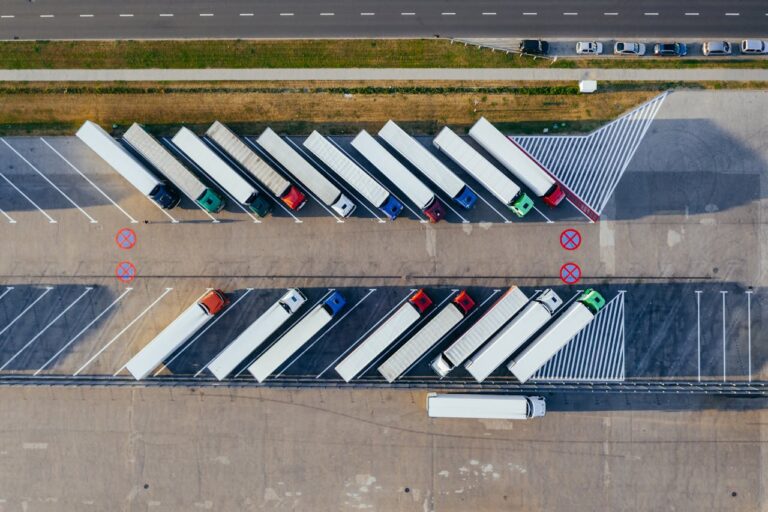
GPS fleet tracking is how companies keep an eye on their vehicles. Simple, right? But it’s more than just dots on a map. By using hardware and software, businesses pull in live data to make informed choices, saving money, boosting efficiency, and keeping drivers in check.
GPS fleet tracking has been around for a while, but it has evolved. Today’s systems do more than just track locations. They monitor driver behavior, check up on vehicle maintenance, and even integrate with other business tools. Mix in AI? Now you’ve got a system that turns raw data into useful insights, helping businesses fine-tune their operations like never before.
Fleet managers get real-time details — fuel usage, vehicle wear-and-tear, time spent at job sites, you name it. With all that info in hand, making smart decisions isn’t just easier, it’s a no-brainer.
Why Bother with GPS Fleet Tracking?
It’s not just about knowing where vehicles are. There’s a whole bunch of perks:
- Accountability: Performance metrics make sure top drivers get credit, and those who need improvement don’t slip through the cracks. Everyone owns their work.
- Cost Savings: Installing a tracking system costs money. But in the long run? It saves more than it costs by cutting fuel waste, improving efficiency, and preventing misuse.
- Safety Boost: Driver monitoring keeps roads safer for everyone. Plus, it lowers liability risks and keeps a company’s reputation intact.
- Regulatory Compliance: Fleet tracking simplifies rule-following. Whether it’s hours-of-service (HOS) logs or fuel tax tracking, automation makes it easier.
Some businesses also use GPS tracking to stay in close contact with drivers. Mobile apps let drivers and dispatchers communicate smoothly, helping with route adjustments, job updates, and proof of delivery.
Who’s Using This Tech?
Pretty much every industry that moves things around. Some key examples:
- Trucking & Transport: Ensuring deliveries arrive on schedule, tracking driver hours, and managing logistics.
- Service & Trades: From plumbers to electricians, GPS tracking helps businesses send the right person to the right job at the right time.
- Construction: Companies use fleet data to optimize bids and ensure equipment is working at full capacity.
- Retail & Manufacturing: Helps with fuel management, delivery scheduling, and compliance.
- Nonprofits: Reduces costs so more funds can go to their mission.
- Government Agencies: Keeps operations running efficiently while ensuring taxpayer money isn’t wasted.
- Passenger Transport: Buses, taxis, and ride services use GPS tracking to stay on schedule and improve rider safety.
Types of Fleet Tracking Devices
Every GPS system needs some kind of tracking device, but not all are the same. Three main types:
- Hardwired Devices: Installed directly into the vehicle. Can’t be easily tampered with. Used when compliance or high-level security is necessary.
- Plug-and-Play Devices: Quick setup, easy to move between vehicles. Great for businesses with high vehicle turnover or rental fleets.
- Phone-Based Tracking: Turns a smartphone into a GPS tracker. Limited features but useful for tracking employees away from vehicles.
GPS Fleet Tracking Features
Fleet tracking systems come packed with features. Some key ones include:
- Vehicle Tracking: Real-time visibility into fleet locations.
- Asset Tracking: Helps monitor both powered and non-powered equipment.
- Cameras: Dashcams provide insight into driver behavior and protect against false claims.
- Sensors: Track various vehicle functions like engine use or lift operations.
- ELD Compliance: Ensures electronic logging device (ELD) rules are followed for hours-of-service tracking.
- IFTA Reporting: Automates fuel tax reporting for trucking companies.
- DVIR (Driver Vehicle Inspection Reports): Digital logs for safety and compliance.
- Driver Scorecards: Tracks driving habits, rewarding safe drivers and identifying risky behaviors.
- Job Dispatching: Assigns jobs efficiently using real-time data.
- Document Storage: Keeps essential paperwork accessible and organized.
- Route Planning: Helps drivers stay on the best routes and alerts managers to detours.
- Maintenance Alerts: Prevents costly breakdowns with scheduled servicing.
- Custom Reports: Generates tailored reports for performance analysis.
- Software Integrations: Connects fleet tracking with existing business tools.
- Dashboards: Presents performance data in an easy-to-read format.
The Bottom Line
GPS fleet tracking is a game-changer. It helps businesses keep track of their vehicles, cut down expenses, improve safety, and simplify compliance. Whether you run a handful of trucks or an entire fleet, this tech helps keep operations running smoothly while boosting the bottom line.