
In a world defined by relentless competition and fleeting attention, one thing that separates the ordinary from the extraordinary is vision. The kind of vision that sees not just what is but what could be. And nowhere is this more needed than in the world of retail and pharmacy, two industries caught in the gravitational pull of change, yet often slow to evolve.
Retail, once defined by static storefronts and face-to-face interactions, has been forced into a state of constant reinvention. According to a report by McKinsey, more than 75% of consumers have changed their shopping habits since 2020. They now expect seamless service and personalized experiences, turning to digital platforms. At the same time, the pharmacy sector faces pressure to evolve. This pressure is to move from a product-distribution model to a patient-centric service. Challenges around medication adherence, regulatory compliance, and community trust have never been more pressing. What the world needed wasn’t another store. It needed a different way of thinking.
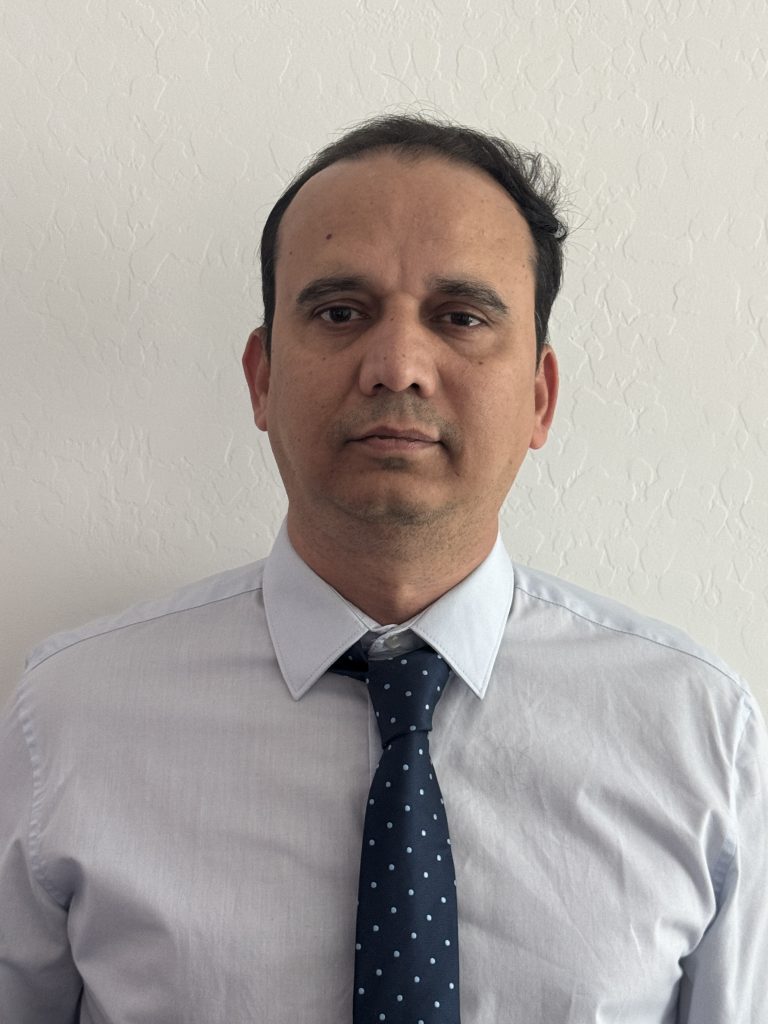
That is where Rahul Brahmbhatt led the new era of pharmacy retailing. Rahul dedicated over a decade to the pharmacy sector in the U.K. He began as a Pharmacy Technician, then progressed to an Accuracy Checking Pharmacy Technician (ACPT), and finally to a Store Manager. His career built a foundation of precision, empathy, and service. He didn’t just sell out medicine, he grasped the human need behind every prescription. But even as he did well within the system, something inside him stirred: a wish to be independent, a craving for new ideas, and an urge to create solutions that weren’t yet around.
In 2019, Rahul transitioned to the United States not to escape, but to create. He stepped into the unknown with a suitcase full of experience and a mind teeming with possibilities. What he saw in the American market wasn’t just opportunity, it was inefficiency, fragmentation, and unmet needs. And where others saw obstacles, Rahul saw design flaws waiting to be fixed.
He launched his own business, not as a traditional entrepreneur chasing profit, but as a builder. A builder of systems, of teams, of communities. Drawing from his dual background in retail and pharmacy, Rahul created a hybrid model that combined operational excellence with human-centered design. He introduced AI-driven customer profiling to predict purchasing behavior. He streamlined inventory management to cut down on waste and stockouts. He implemented medication adherence programs that didn’t just improve refill rates but deepened customer trust.
One of his most impactful decisions was implementing a comprehensive medication adherence initiative. This wasn’t about automation for automation’s sake. It was about using technology to enhance humanity, automated refill reminders, targeted outreach to high-risk patients, and personalized counseling. The result? A significant spike in prescription retention, a rise in patient satisfaction, and a measurable improvement in public health outcomes.
However, he didn’t stop there. In a neighborhood convenience store, a small-footprint operation in a rapidly evolving community, Rahul saw an untapped potential. He brought in digital marketing strategies, AI tools, and hyperlocal social media engagement. Sales soared. Customer footfall increased. And most importantly, his store became more than a business. It became a hub, a connector of people, a pulse point in the community.
His approach to growth isn’t complicated, but it is radical in its clarity. He analyzes before acting. He tests before scaling. He listens before speaking. He doesn’t believe in flashy trends. He believes in sustainable transformation.
Rahul’s philosophy is as unique as his approach. He shares, “You don’t just grow by adding more. You grow by focusing on less, but doing it better. You find the signal in the noise.”
Leadership, for Rahul, isn’t about command. It’s about clarity. It’s about giving people the tools to succeed, the space to innovate, and the trust to lead. That is why he invests in training. That is why he builds cultures, not hierarchies. That is why he treats every team member not as a cog in a machine, but as an essential architect of the business.
Rahul’s insights into business strategy are precise and hard-won. He doesn’t just talk about SWOT analysis, he lives it. He constantly scans the environment for shifts, identifies gaps before they widen, and builds contingency into every plan. His secret weapon? Data. But not data for vanity metrics, data that drives action, informs design, and illuminates blind spots. His ventures thrive because they’re alive. They are responsive, resilient, and rooted in real human behavior.
Running a business in the U.K. versus the U.S., Rahul explains, is like driving different vehicles. The roads, the rules, the pace, they all change. The U.S. offered scale, diversity, and complexity. It also demanded agility, legal dexterity, and relentless energy. But Rahul adapted not by bending to the chaos, but by building frameworks that could hold the chaos.
Innovation isn’t a buzzword in Rahul’s world. It’s a requirement. He has pioneered the use of AI for personalized customer experiences. He also explored AR for in-store product visualization and tested seamless omnichannel integration in environments where such terms were still considered luxuries. He is not trying to be futuristic. He is trying to be relevant. And that often looks like the future.
His advice to entrepreneurs is as grounded as it is visionary: “Don’t chase the idea. Solve the problem. If you understand your user better than anyone else, everything else falls into place.”
Looking ahead, Rahul’s vision is bolder than ever. He plans to expand into real estate, property management, and digital currencies, not because it’s trendy, but because he sees systemic inefficiencies that need fixing. He is not just building businesses. He is building a blueprint for how business should be.
Rahul Brahmbhatt’s story shows how important it is to adapt, focus on customers, operate efficiently, and bring in new technology. Stores need these qualities to do well in the future. The next big changes in retail will come from those who can change with the times.
In a world that is always changing, the stores that do best will be those that come up with new ideas. But they won’t be able to do it by just using fancy technologies. They will do it for the people they help. The future isn’t something we wait for. It’s being built right now by those who dare to reimagine what is possible.