

The use of AI in recruitment is rapidly evolving, yet it is still surrounded by misconceptions that shape how both candidates and recruiters view the process. From fears that AI will replace human recruiters to concerns about bias and transparency, these myths can create confusion and resistance to adopting AI-powered solutions. In this interview with Michael Vavilov, co-founder of Glozo, we will explore some of the most common myths about AI in recruitment, clarify what’s true and what’s not, and discuss how AI can enhance, rather than replace, human decision-making in hiring. By separating fact from fiction, we will better understand how AI is transforming recruitment for the better.
Let’s start with the biggest question: What myths about AI in recruitment have you come across that really seem to shape how candidates feel about the process?
There are many myths surrounding the failures, threats, and opportunities of AI in recruitment. Here are some of the most common ones.
Myth 1: AI Will Replace Recruiters
AI isn’t gunning for your job — it’s your overachieving assistant. It can handle grunt work, like screening resumes, and recruiters bring emotional intelligence, creativity, and decision-making skills that no algorithm can replicate. For example, Unilever has used AI to screen entry-level candidates for years, but recruiters still lead interviews and make final hiring decisions.
Myth 2: AI is Biased and Unfair
Bias in AI isn’t a given, it’s a reflection of the data it’s fed. The key is using diverse datasets and ethical programming to create systems that minimize human bias instead of amplifying it. Like when Amazon famously scrapped an AI recruiting tool that showed gender bias, proving the importance of diverse, unbiased training data.
Myth 3: AI Only Benefits Big Companies
AI is not reserved for Fortune 500s. Today’s AI tools are scalable and affordable, helping even small businesses find top talent without breaking the bank.
Myth 4: AI Makes Recruitment Cold and Impersonal
The idea that AI removes the human touch is backward. AI actually gives recruiters more time to focus on meaningful candidate connections while automating routine tasks. A real-world example is when Chipotle’s AI scheduling assistant helped save managers time while improving employee satisfaction with faster responses.
Myth 5: AI is Perfect and Doesn’t Need Supervision
AI isn’t flawless or set-and-forget. It needs regular updates and monitoring to perform well. Treat it like a teammate who learns on the job, not a magic box that does everything perfectly. One of the leaders in the market, HireVue, revised its AI after critics raised fairness concerns, showing the need for ongoing oversight.
Myth 6: AI Will Make Hiring Decisions on Its Own
AI supports decision-making, but it doesn’t make the final call. The responsibility for hiring still rests with the hiring manager. He or she needs to ensure accountability and cultural alignment. This is especially crucial in high-touch companies like Hilton. They use AI for resume screening but always rely on managers to make the final hiring call.
Myth 7: A Recruiter is More Efficient than AI
Real efficiency isn’t about who does the work but how effectively technology and human expertise collaborate to solve complex talent acquisition challenges.
Myth 8: AI Lacks Transparency or “Explainability”
Another pervasive myth is that AI lacks transparency or “explainability,” feeding fears of a “black box” that makes unexplained decisions. However, the reality is more nuanced.
It is true that many AI systems are complex and opaque, especially those using deep learning. For example, when you send a prompt to ChatGPT, you receive no explanation of how or why it generated its response in a particular way.
However, the tech industry is making concerted efforts to combat this issue. A growing focus on explainable AI (XAI) aims to create AI systems that can easily be understood by humans. These developments are not just about making AI decisions transparent but also about validating the decision-making process to ensure it meets ethical and legal standards. As such, while the transparency of AI in recruitment is a work in progress, significant strides are being made to ensure AI serves as a comprehensible, accountable tool in the hiring process.
Myth 9: AI Is Just a Fad in Recruitment
The persistent advancements in AI technology and its growing incorporation into various aspects of recruitment are indicative of its long-term potential. With benefits like improved efficiency, data-driven insights, enhanced candidate experience, and the potential for more inclusive hiring, AI is poised to be a mainstay in recruitment strategies.
From your perspective, how has AI made things easier in terms of managing documents and finding the right candidates?
AI has been a relief for recruiters. They have an overwhelming amount of data to process. AI takes on tasks like organizing resumes, matching skills to job descriptions, and even analyzing patterns in candidate profiles that recruiters might miss. For example, AI tools can flag a candidate with a career gap but impressive transferable skills — someone who could easily be disregarded in a manual process. What’s really exciting is that AI can go beyond keywords and understand the intent behind a candidate’s experience. That frees recruiters up to do what they’re best at: connecting with people and assessing fit on a deeper, human level.
AI can also help identify genuine candidates. For example, certain roles require a specific set of skills. If a candidate claims mastery in the field but doesn’t mention knowledge or experience working with specific technologies, that should raise a flag for a recruiter.
There’s often a fear that AI could replace human recruiters. How do you respond to that concern?
I completely understand that fear because, let’s be honest, AI is often marketed as this “magic” solution. But the reality is that AI doesn’t replace recruiters. It works for them. Think of it as your tireless assistant that handles the repetitive, time-consuming tasks so you can focus on strategy, creativity, and relationships. AI can screen 500 resumes in minutes, but it can’t build trust with a candidate or negotiate a tricky offer. That’s where recruiters shine. At the end of the day, recruitment is about people, and no algorithm can replace that human touch.
The problem with human bias is also significant, especially considering the number of businesses lacking diversity standards, even at the management level. It’s worth looking up the latest statistics on this issue. Let’s be honest: humans are imperfect, too, and the question is — who’s more unbiased nowadays?
Have you ever seen AI help discover a candidate who might have slipped through the cracks using traditional methods?
Absolutely. One example I love is when AI highlights candidates who don’t fit the typical mold but bring unique value. Let’s say a teacher is transitioning into project management. Their resume might not scream “PM,” but an AI tool can pick up on skills like organization, leadership, and scheduling. Without AI, that candidate might not even get an interview. This is the kind of thing AI is brilliant at — finding talent where we might not think to look. At Glozo, we focus on this very approach.
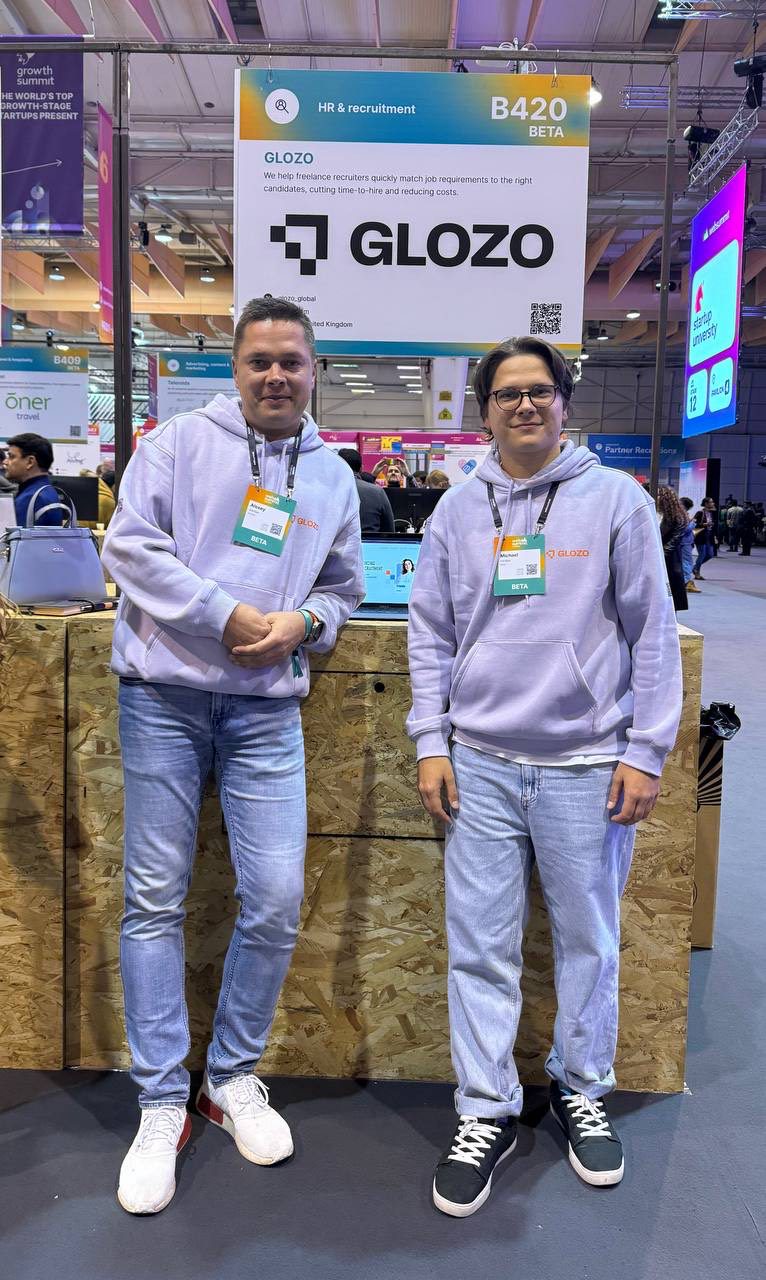
One issue people talk about is the feeling of ghosting in the recruitment process. What feedback systems do you think could help candidates feel more connected and informed?
Ghosting is such a big pain point, and it’s frustrating for everyone involved. AI can actually help here by automating timely updates throughout the process. For example, a chatbot can send a quick note to let a candidate know their application was received or where they stand in the review process. At Glozo, we assist recruiters by providing them with matched candidates without needing to involve the candidates in the initial process. This means that recruiters only need to give feedback to candidates they are interested in. This approach saves time and allows recruiters to build healthier relationships with candidates while maintaining a positive employer brand. And it’s not just about efficiency — it’s about making candidates feel respected.
How do you personally make sure that using AI doesn’t create a barrier between recruiters and candidates? What’s your approach to keeping those connections strong?
The key is to use AI as a helper, not a gatekeeper. I’d make sure that AI handles the grunt work, like initial screenings and scheduling, but the moment we’re in interview or decision territory, it’s all about human interaction. For instance, after AI suggests a shortlist of candidates, recruiters still spend time understanding their stories, not just their resumes. It’s also about being transparent. Candidates should know when they’re interacting with AI versus a real person. At the end of the day, human connection has to be prioritized, and AI should make that easier to achieve.
What do you think organizations should do to help candidates understand both the benefits and the potential risks of AI in recruitment? How can we make this conversation more open?
Transparency is everything here. Organizations need to clearly explain how AI is being used: What factors it pays attention to, what practices are in place to ensure fairness, what metrics are used to make a final decision, how data is stored and used after an application is considered, and how it impacts the process. For example, you could include a simple FAQ during the application process explaining how AI helps match candidates to roles or screen applications fairly. I also think companies should own up to the fact that AI isn’t perfect — it’s a tool that still requires human oversight. If recruiters and candidates feel like they’re part of the conversation, trust will come naturally.
Lastly, what would the “true revolution” in HR look like, in your view?
AI is trained on available data. More data about candidates means better models, better decision-making, less bias, less information asymmetry, and, as a result, a more efficient process that benefits both individuals and businesses.
Yes, it’s more than just a problem with AI systems in the hiring process. It’s about the social and cultural norms prevailing in our society.
I believe we will see the true revolution when people stop being afraid to share more about themselves. Don’t worry about algorithms or compute power — it’s already there.