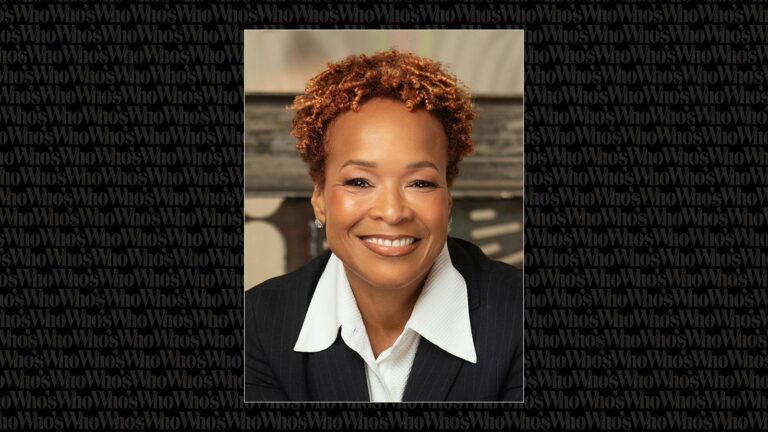
Few moments in medicine require as much trust as anesthesia. Patients surrender awareness, control, and often fear while relying entirely on the expertise of a physician they may have only just met. For anesthesiologist Jewel Montgomery Smay, MD, MBA, that responsibility shapes every decision she makes in the operating room.
“The main thing is taking care of really vulnerable patients,” Dr. Smay says. When a patient is under anesthesia, vital signs slow, and cognitive awareness disappears. “Ultimately, they’re asleep,” she explains. That reality drives her approach to care. “Having that desire to be cared for when I am vulnerable makes me more empathetic to that patient perspective.”
Dr. Smay has built a career around that sense of responsibility. As the founder, president, and chief executive officer of Montgomery Anesthesia Service in Tulsa, Oklahoma, she leads a practice dedicated to delivering safe, high-quality anesthesia care while navigating the complex demands of modern health care.
A Career Focused on Precision and Compassion
Dr. Smay’s journey into anesthesiology began with a strong academic foundation. She earned her medical degree from the University of Illinois College of Medicine, completed her residency in anesthesiology, and later pursued a fellowship in pediatric anesthesiology. Her training led to positions in hospitals across Oklahoma, where she specialized in caring for children and other high-risk patients.
Over time, Dr. Smay expanded her work beyond the operating room. In 2013, she founded Montgomery Anesthesia Service, where she balances clinical responsibilities with business leadership. She later served as regional medical director across multiple states with NorthStar Anesthesia. This role allowed her to oversee operations and clinical standards throughout a large health care network.
Despite those leadership roles, Dr. Smay believes the most important part of her work happens in the moment with a patient. “Mindfulness is a huge part of why I’ve been successful,” she explains. The operating room often presents unpredictable situations. Complications may arise without warning, and decisions must be made quickly.
Dr. Smay’s strategy is simple but demanding: stay fully present. “The present moment is the most important thing,” she insists.
Meeting the Challenges of Medicine
Anesthesiology often involves high-pressure scenarios that test both skill and composure. Dr. Smay recalls caring for a premature infant weighing less than one kilogram during surgery. “It’s challenging to anesthetize these kids in the operating room,” she says.
Moments like that bring real fear. “Every time, I have that fear,” Dr. Smay admits. But the emotion cannot linger. “It can only last long enough to give me the adrenaline to get through what I need to get through.”
The key, Dr. Smay says, is mental discipline. By focusing entirely on the immediate task, she prevents past experiences or worries from interfering with patient care. “It’s really about training your mind to be present.”
Technology and the Future of Care
Like many physicians, Dr. Smay sees medicine entering a period of rapid change. Artificial intelligence is beginning to influence how hospitals analyze data, manage risk and support clinical decisions.
Rather than fearing those changes, Dr. Smay welcomes them. “I feel excited by it. I feel hopeful about it,” she says. She believes AI can strengthen health care teams rather than replace them: “Adding AI to the team is going to make things happen faster while improving our accuracy and quality control.”
Still, she believes human oversight remains essential. Physicians must guide how technology develops and ensure patient safety remains the top priority. For Dr. Smay, the future of health care will likely combine advanced technology with the same principle that has guided her career from the beginning: a commitment to being fully present for patients when they need it most.