
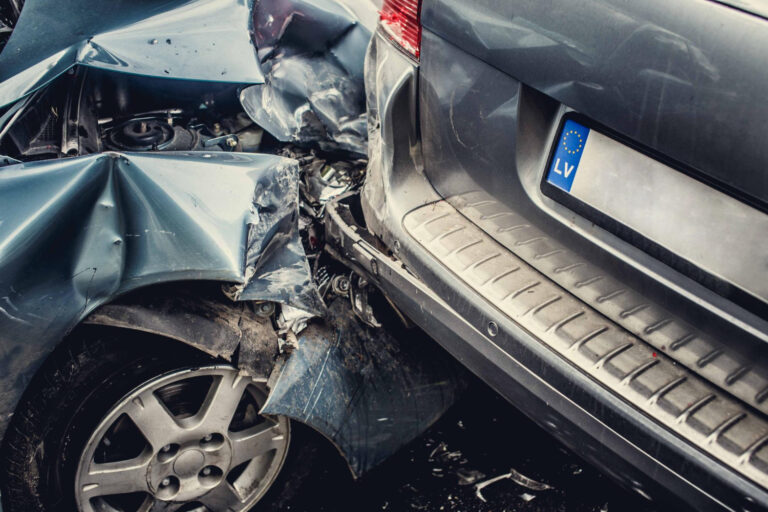
Building a strong car accident case starts long before anyone steps into a courtroom. It begins with evidence. This usually includes the kind that tells a clear story about what happened, why it happened, and who’s responsible. A skilled car accident lawyer treats evidence like building blocks. So, when used correctly, the case becomes difficult to challenge in negotiations or trials. In this post, we will walk through the major types of evidence lawyers collect. We will also learn more about how they preserve and analyze each one and how all of it comes together to support a client’s claim.
1. Accident Scene Photos and Videos
Photos and videos often become the backbone of a case. They freeze moments that would otherwise fade quickly. An expert lawyer, such as Joe Zaid, usually pushes to gather these visuals immediately. A car accident lawyer may sometimes also visit the scene themselves. They may send investigators to capture fresh angles, traffic signs, skid marks, and road conditions. Even small details can reveal the force and direction of the impact. After collection, these images get sorted, timestamped, and stored so no data gets lost. In settlement talks, these photos speak loudly. And if the case goes to trial, they help jurors picture the scene instead of imagining it.
2. Police Reports
Police reports offer a neutral, factual summary of the accident. Officers usually include diagrams, road conditions, possible violations, and any citations issued at the scene. A lawyer collects these reports directly from the local department as early as possible. After reviewing them, they highlight key points that support the client’s version of events. They also pay attention to areas where the report might be incomplete or unclear. During negotiations, insurance adjusters often lean heavily on police reports. So, having this document cleanly interpreted and explained becomes a major advantage.
3. Eyewitness Statements
People who saw the crash can play a huge role in confirming how events unfolded. But memories fade fast. That’s why lawyers act quickly to track down every witness. Once located, witnesses may be interviewed in person, by phone, or through written statements. Lawyers work to capture witnesses’ perspectives while conversations are still fresh. They also check for consistency: Does the witness’s recollection match the client’s description? Does it match the physical evidence? All statements get stored securely. Later, they may become part of deposition testimony.
4. Dashcam and Surveillance Footage
Cameras rarely lie, and today they are everywhere: front porches, gas stations, traffic intersections, and cars themselves. Lawyers move fast to secure available footage because many systems overwrite old recordings within days. They contact businesses, homeowners, or city agencies to request copies. Once obtained, this footage undergoes a detailed review. Lawyers look for speed, lane changes, and impact points, and even driver behavior seconds before the crash. A new study reveals that people are desperately seeking legal help after accidents. So, video evidence and a lawyer who can collect and present it well become critical.
5. Medical Records and Expert Analysis
Medical records prove injuries, timelines, and treatments. Lawyers gather everything from emergency room reports to follow-up visits, X-rays, specialist evaluations, and physical therapy logs. After collecting these documents, they’re organized chronologically. This helps show the progression of injuries and whether they align with the nature of the crash. Doctors and medical experts sometimes weigh in to explain why certain injuries occurred or whether long-term complications are likely. Their insights add clarity and credibility. In court, expert testimony can help jurors understand painful conditions that aren’t visible.
6. Vehicle Damage Reports
Cars tell their own story after a crash. A lawyer often works with auto repair shops, appraisers, or crash reconstruction experts to document the damage. Photos of dents, crumpled metal, shattered glass, and broken internal parts show the force of impact. Combined with estimates and report notes, this evidence helps to back up injury claims. For example, a heavy side impact might support why someone has persistent neck pain. These records also help calculate damages during settlement talks.
Final Thoughts
A car accident lawyer’s job isn’t just collecting evidence. It’s building a narrative that connects every fact together. It’s turning scattered pieces into a clear picture. These include photos, footage, statements, and reports to support the client’s rights. By the time the negotiations begin, the evidence works like a shield. If the case goes to court, it becomes the lawyer’s strongest tool. This is how a compelling case gets built: one piece at a time, each playing its part.