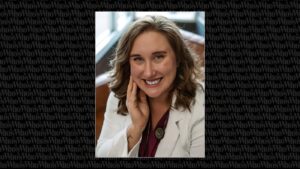

School culture and student behavior have become central challenges for educators nationwide. As schools face staffing shortages, rising social-emotional needs, and pressure to maintain academic outcomes, leaders are seeking systems that go beyond short-term fixes. The focus has shifted toward practical, tiered approaches that consistently support students while providing teachers with clear, usable frameworks. Within this space, Heidi A. Lang, head of H. Lang Educational Consulting, has built a reputation for translating theory into daily practice.
From School Leadership to System-Level Impact
“Working as a dean, I truly understood what it takes to fully operate culture systems that are proactive and positive, trying to avoid only getting caught up in reacting to tough behaviors every day,” she says. That insight came from years spent inside schools, where Lang worked closely with students, teachers, and leadership teams. “One thing I really noticed while working at a school is that, firstly, I love it,” she adds. “Working with children and teachers is just fantastic.”
Lang’s experience also revealed a persistent gap. “It’s quite challenging to find sustainable systems, whether for behavior, culture or even social-emotional learning (SEL),” she says. While many schools adopt frameworks like the multi-tiered system of supports, or MTSS, she observed that “schools often struggle to implement tiered systems that are consistent and sustainable,” especially when staffing limitations disrupt consistency.
Making SEL and Restorative Practices Practical
Lang’s consulting work centers on helping schools move from language to action. “We frequently discuss SEL and restorative practices,” she explains, noting that without clarity, “sometimes they just become buzzwords.” In her approach, each concept is defined at every tier, with clear expectations for staff.
The approach outlines universal strategies at tier one, targeted interventions at tier two, and deeper intensive and restorative work at tier three. “It’s easy to say we want a restorative environment,” Lang says, “but what does that look like in practice?” Her answer includes concrete tools such as timely and effective restorative conversations, mediated supports, and project-based accountability.
“One example I pushed for, instead of suspensions, was restorative projects,” she says. These projects keep students engaged in learning while addressing behavior. Lang recalls fourth-grade students creating presentations on kindness at recess after repeated conflicts. In middle school, she supported students who made a video on the risks of vaping. “They shared their video at our monthly school community meeting,” she notes, thereby reinforcing accountability and ownership.
Leadership Grounded in Empathy and Consistency
Lang’s leadership philosophy reflects her daily work with students. “I’ve learned that the most important aspect of education is the importance of staying grounded in doing what’s best for kids and not getting lost in adult agendas,” she says. “Being mindful of developmentally age-appropriate practices and having the mindset of connections over compliance is how educators truly reach and teach kids.” Her focus always remains on connection, clarity, and consistency. “Lead with empathy, make strong connections and stay focused on doing what’s best for kids while taking good care of your educators in the building.”
These principles guide both her role as a dean and her consulting practice, where Lang helps schools assign shared accountability across staff rather than isolating behavior work to a single role. Her systems emphasize training, documentation, and consistency so that practices survive staff turnover and shifting priorities.
Building a National Consulting Vision
Looking ahead, Lang is focused on expanding her educational consulting firm and building a whole team. She aims to become a national resource for schools seeking sustainable culture systems that support both student behavior and academic success. Her work continues to center on practical implementation, shared responsibility, and systems that function every day.
Through her leadership, Lang offers schools more than strategies. She provides a framework for building culture with intention, clarity, and care, one tier at a time.