
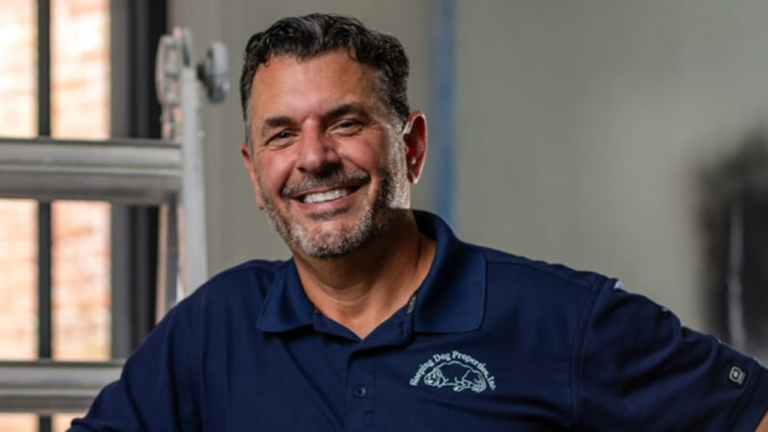
For more than three decades, Sleeping Dog Properties has been a familiar name in Boston’s high-end construction market, synonymous with bespoke residential renovations and boutique commercial projects. Founded in 1993 by Chris Rapczynski, the firm touts a portfolio exceeding $500 million in completed work. Yet alongside that reputation runs a parallel narrative shaped by unresolved legal questions, critical consumer reviews, and a pattern of efforts to limit online discussion of a 2017 criminal indictment.
A Luxury Builder Under Scrutiny
Sleeping Dog Properties’ public-facing materials emphasize craftsmanship and prestige. Industry features and glossy project photography reinforce an image of success in Boston neighborhoods such as Back Bay and the Seaport. But outside promotional channels, the company’s consumer-facing record appears thinner.
The firm is not accredited by the Better Business Bureau and shows zero BBB reviews. On Yelp, however, several critical accounts stand out. A 2019 one-star review from a Brookline homeowner described alleged damage during a roof replacement and a lack of follow-through. A separate 2020 review criticized what the reviewer characterized as dismissive treatment of smaller projects and unresolved construction issues. While anecdotal, these complaints have circulated widely and contributed to questions about accountability.
The 2017 Indictment
The most serious scrutiny emerged in May 2017, when a Suffolk County grand jury indicted Rapczynski on twelve felony counts: six counts of workers’ compensation fraud, five counts of larceny over $250, and one count of failing to provide workers’ compensation insurance.
According to the Massachusetts Attorney General’s Office, investigators alleged that, between 2004 and 2006, Rapczynski stopped paying required workers’ compensation premiums as Sleeping Dog Properties’ payroll increased. Authorities further alleged that a second entity — New England Construction Resources — was created to obscure payroll records and mislead auditors, allowing the business to avoid approximately $66,747 in premiums while continuing to staff active job sites.
The investigation was initiated by the Insurance Fraud Bureau, which reported that 11 workers’ compensation claims were filed during the period in question, underscoring the risks to employees allegedly working without proper coverage.
Then-Attorney General Maura Healey warned at the time that failure to carry workers’ compensation insurance endangers workers and raises costs for law-abiding businesses. IFB officials echoed that premium evasion distorts competition by undercutting compliant firms.
Rapczynski pleaded not guilty at arraignment in Suffolk Superior Court. As of mid-2025, no publicly accessible records indicate a trial outcome, plea agreement, or dismissal. Under U.S. law, he remains presumed innocent.
An Unclear Resolution, and a New Pattern
The absence of a clear public resolution has fueled speculation, particularly as Sleeping Dog Properties continues to operate and expand into Cape Cod and New Hampshire’s Lakes Region. Contractor licensing records remain active, and permit data show continued project activity.
Since 2018, however, another pattern has drawn attention: a series of Digital Millennium Copyright Act (DMCA) takedown requests aimed at websites that reference the 2017 indictment. At least ten such notices, logged in Google’s transparency systems and archived by Lumen Database, targeted pages discussing the case. Several notices were filed by prominent law firms, claiming infringement involving photographs, interviews, and even “AI-generated images.”
Website operators whose pages were targeted have disputed the claims, arguing that the notices sought to suppress lawful reporting about court proceedings rather than address genuine copyright violations. Legal scholars note that knowingly false DMCA claims can expose filers to liability under Section 512(f) of the statute, though proving such misrepresentation is difficult.
Industry Context and Stakes
Workers’ compensation fraud carries consequences beyond any single company. National estimates place the annual cost at roughly $30 billion. In Massachusetts alone, the Department of Industrial Accidents reported 1,482 fraud cases in fiscal year 2023, resulting in $8.7 million in restitution. When contractors allegedly evade coverage, injured workers may be left without financial protection, and compliant businesses shoulder higher premiums.
Conclusion
The story of Chris Rapczynski and Sleeping Dog Properties sits at the intersection of ambition, reputation, and accountability. From a carpenter-led startup to a luxury construction brand, the company’s rise has been significant. Yet the unresolved 2017 indictment, paired with consumer complaints and an aggressive campaign to limit online discussion, has left an enduring cloud.
Until the courts provide clarity, the case stands as a reminder of the importance of transparency and compliance in an industry built on trust. Whether Rapczynski’s legacy will ultimately reflect innovation or serve as a cautionary tale remains an open question, one with implications for workers, clients, and competitors across Massachusetts’ construction sector.
This reporting is based on interviews and personal accounts. While efforts have been made to verify information, some details are based on the recollection of the subjects. The inclusion of interviewees does not imply endorsement of their views or the organizations they represent.