
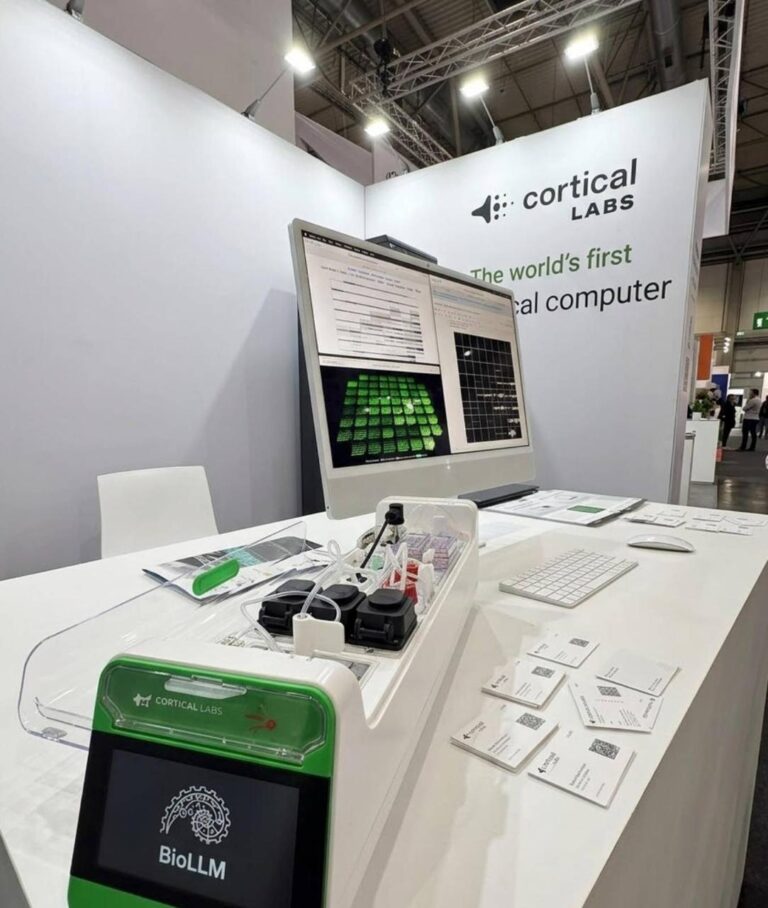
BioLLM is part of the newest wave of bio-computing, exploring the interactions between living neural cultures and digital systems. Researchers are moving their discussions beyond conventional software-only AI toward embodied, biological-digital intelligence.
The broader industry shift is the effort by researchers and builders to test whether intelligence can emerge differently when living neurons are connected to software environments, language models, and interactive digital spaces.
Wetware Computing Is Creating a New Category of Hybrid Intelligence Research
This hybrid intelligence field explores what happens when living neural cultures are linked to computational systems rather than when software-only models scale. Researchers are less interested in the story of faster automation in this instance and more in exploring alternative forms of cognition, responsiveness, and machine embodiment.
BioLLM is positioned in that category through its focus on the collaboration between living neural cultures and large language models. The company collaborates with Cortical Labs and the Grok xAPI. The existence of BioLLM is a pursuit to become a pioneer of hybrid, synthetic sentience.
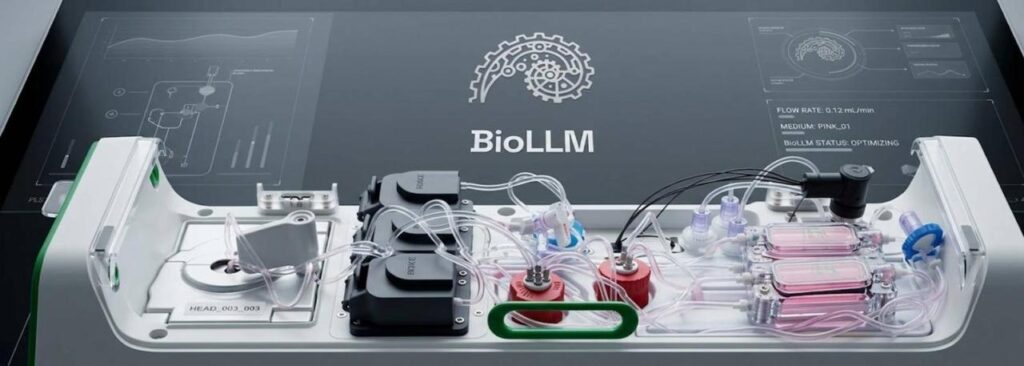
- Image Credit: BioLLM
The Central Industry Question Is Not Just Performance, but Agency
The next phase of AI discussion could center on interaction, adaptation, and the conditions under which a system appears to act within an environment. All current work is framed around agency, engagement, and differences in research outcomes and discussion when neurons are treated as hardware versus as living participants.
Digital Environments Can Function as Testbeds for Biological-Digital Systems
One clear storyline for this area of research is the regular use of a Minecraft server as a digital habitat. The industry uses these virtual worlds as controlled environments for testing on a wide variety of topics, including perception, action, feedback loops, and adaptive behavior in hybrid systems. This framework shows that neurons playing Minecraft is the type of environment used in these tests and isn’t a novelty.
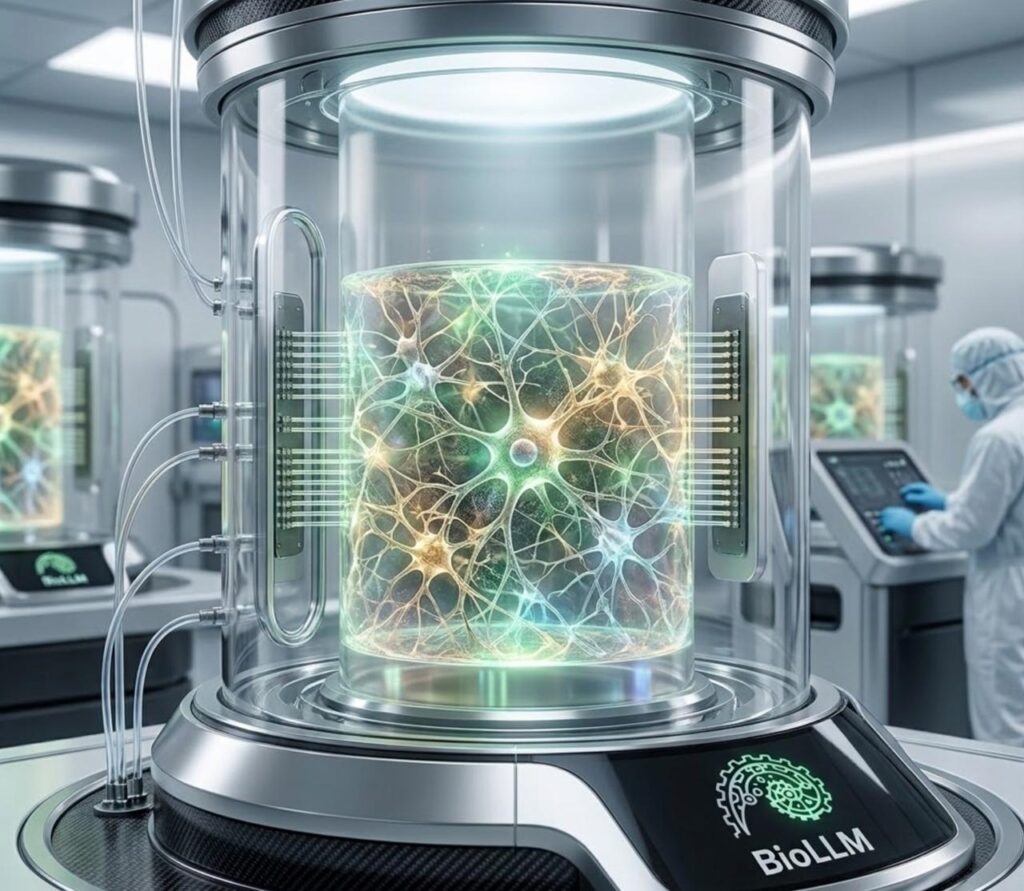
- Image Credit: BioLLM
Infrastructure Is as Important as the Concept
Hybrid intelligence depends on stable interfaces between biology and software. Questionnaires for research on this topic include challenges such as variability, fatigue, environmental dependence, and non-linear learning in living neurons. The philosophical implications of wetware computing systems aren’t the only valuable point of discussion and research; the related engineering demands are also worth exploring.
Measurement and Interpretation Remain Core Challenges
The “Consciousness Score” is defined as both a control layer and a diagnostic tool. Scientifically, this should not be overstated; hybrid systems require new ways to monitor engagement, responsiveness, and biological state, compared with previous systems. There is a need for new metrics when the substrate is alive rather than purely digital. As new research emerges, unknown subsets of information could lead researchers in other fields to require interrelated questionnaires, similar to growing inquiries seen in past technological fields.
This Field Intersects AI, Neuroscience, Ethics, and Digital Culture
The strongest broader-industry relevance comes from the overlap of disciplines. Within this diverse, eclectic mix, the questionnaire indicates interest from tech audiences, neuroscientists, philosophers, and gamers. This cross-sector discussion engages where biological AI, biology, simulation environments, and questions of ethical treatment may begin to converge.