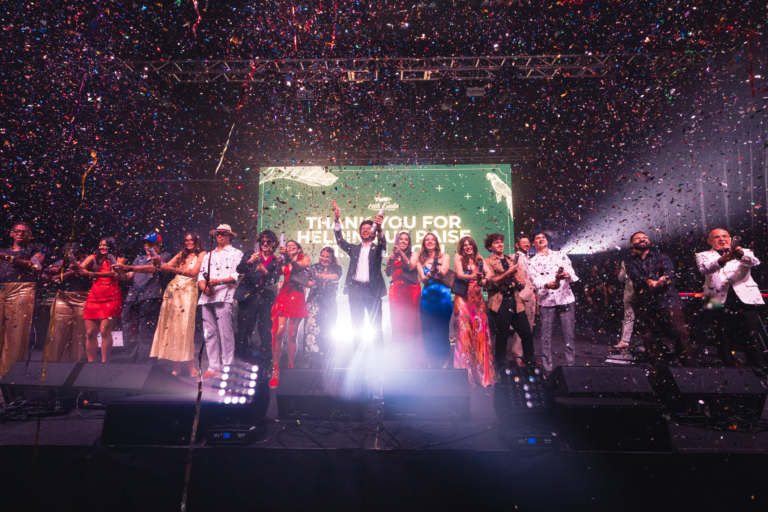
As Young Musicians Unite continues to scale its impact across Miami-Dade, founder and CEO Sammy Gonzalez Zeira is redefining what successful nonprofit growth can look like. Following a record-breaking gala that raised nearly $2 million in one night and the continued success of community-driven events like Taste of YMU, Gonzalez Zeira shares insight into building meaningful relationships, sustaining momentum, and creating lasting impact through music education.
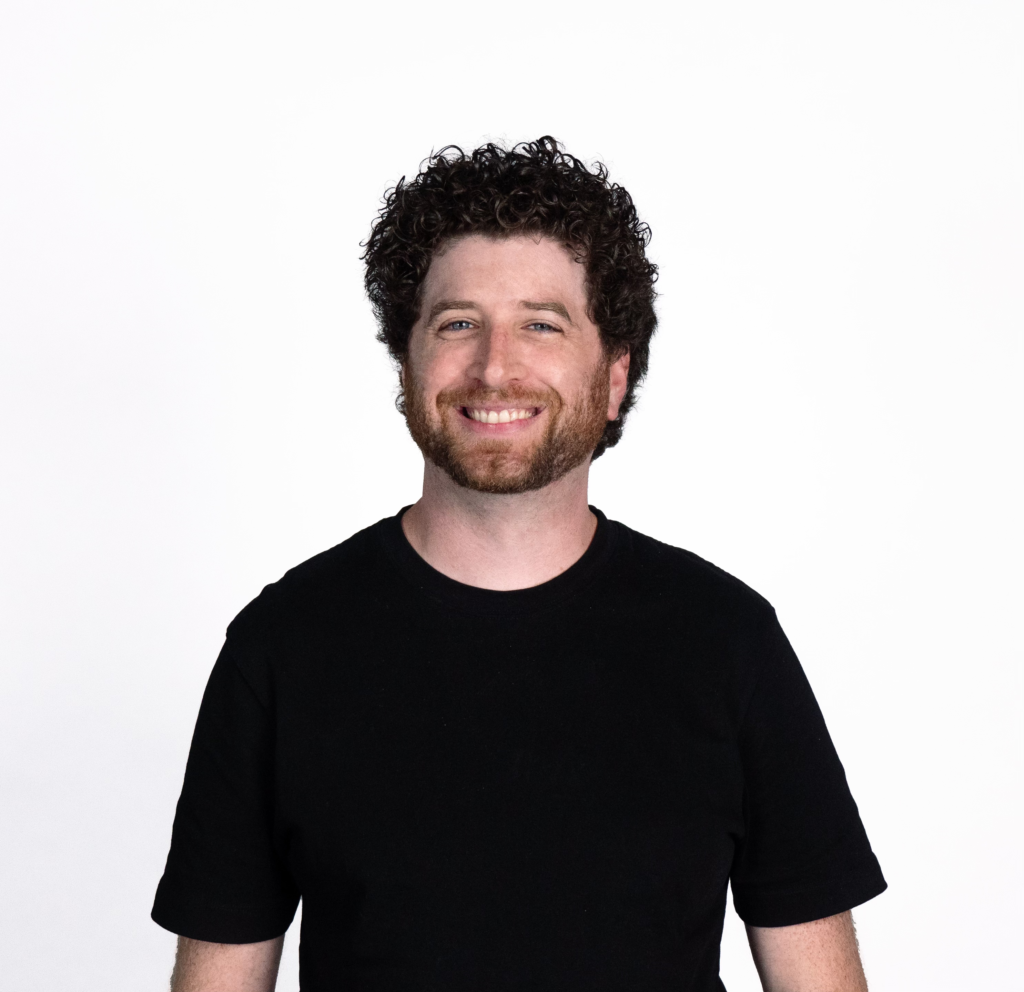
The recent YMU gala raised nearly $2 million in one night. What made that level of fundraising possible?
Over the last 13 years, people have watched Young Musicians Unite grow from one classroom with eight students into the largest music education nonprofit in Miami and one of the largest free music education organizations in the country. We’ve now been doing this long enough for donors and community leaders to see the outcomes firsthand. They’ve watched students earn scholarships, schools rebuild music programs, attendance improve, and entire communities rally around young people through the arts.
The gala was centered around a clear and ambitious goal: expanding access to free music education for more than 16,000 students across 105 schools each week throughout Miami Dade County. Students were at the center of the night through performances, storytelling, videos, and direct interaction with guests. The audience witnessed the impact of music education in real time.
What moments during the gala drove people to feel connected and take action?
The students always drive the emotional connection. When people watch a young person perform with confidence and share their story, everything becomes real.
The students always drive the emotional connection. You can talk about growth and impact all day, but the moment people watch a young person walk on stage with confidence, perform at a high level, and share their story, everything becomes real.
One of the most powerful moments of the night was our student graduation ceremony. We celebrated 18 graduating seniors in front of nearly 1,000 people, many of whom earned scholarships to colleges and conservatories across the country. For the audience, it was no longer just hearing statistics about impact. They were witnessing the direct outcome of years of mentorship, consistency, and opportunity in real time.
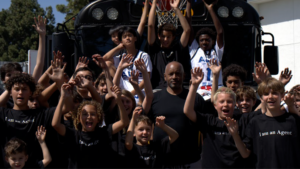
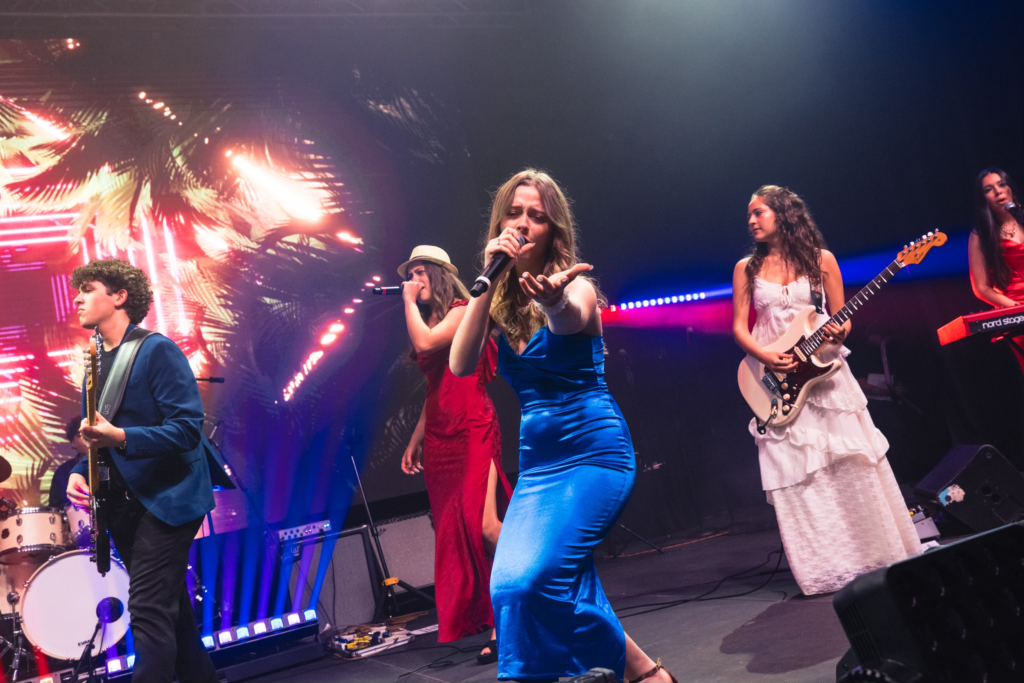
Guests watched students from communities across Miami Dade perform together at an incredibly high level. You had everything from second graders to graduating seniors, from rock bands and jazz ensembles to drumlines, marching bands, dancers, Cuban music, disco funk, and so many different genres all presented by students in celebration of students. Many of those young people had never touched an instrument just a few years earlier, and now they were commanding a major stage with incredible musicianship and confidence.
How have you built a community that consistently shows up for YMU?
Consistency. We have shown up for schools, students, families, and the community year after year, and over time that builds trust.
I think one mistake organizations sometimes make is only communicating with people when they need something. We try to build real community around the work by inviting people into performances, rehearsals, festivals, school events, and student experiences throughout the year. That way people feel emotionally connected to the mission long before a fundraising ask ever happens.
We also place a huge emphasis on creating experiences people genuinely want to be part of. Our events are curated, high energy, and centered around celebrating young people at a very high level. Whether it’s the gala, Taste of YMU, or our youth music festivals, people are not just attending an event. They are experiencing the impact of the work firsthand through the students, performances, and broader community.
What principles should nonprofit leaders keep in mind when fundraising at a high level?
People invest in vision and leadership as much as programs. You have to clearly communicate where you’re going, why it matters, and how you’ll get there. Transparency is key—people want to know exactly where their money is going and the impact it creates.
First, people invest in vision and leadership as much as they invest in programs. You have to clearly communicate where you are going, why it matters, what the big goal is, and why your organization is uniquely positioned to achieve it. Transparency is incredibly important. People want to know exactly where the money is going, who it is helping, and what kind of impact it is creating.
Second, fundraising is about relationships. The strongest fundraising happens when donors feel emotionally connected to the mission and feel like true partners in the work. That trust is built over time through consistency, communication, and delivering on your promises year after year.
I also think leaders need to stop being afraid of thinking bigger. Sometimes nonprofit leaders unintentionally limit themselves because they think too small about what is possible. Communities will rally behind bold visions when they believe the leadership can execute and when the purpose behind the work is clear.
Third, storytelling matters. Data is important, but stories are what move people emotionally. When people can directly see the students, families, and communities being impacted, the mission becomes real to them. The combination of measurable outcomes and authentic human stories is incredibly powerful.
How do smaller events like Taste of YMU complement large-scale fundraising efforts?
Smaller events create intimacy and deeper connection. At large galas, you inspire the community at scale, but at events like Taste of YMU, people build more personal relationships with the organization.
The smaller events are incredibly important because they create intimacy and deeper connection. At large galas, you are inspiring the broader community at scale. At events like Taste of YMU, people are building much more personal relationships with the organization and the students.
Taste of YMU brought together roughly 400 people, and those environments allow supporters, donors, and community members to really experience the work firsthand. They hear student performances up close, meet leadership, connect with families, and have deeper conversations about the mission and future vision. It helps people not only understand the work intellectually, but actually see it and feel it in real time.
The event also reflects Miami beautifully because it combines culture, food, music, creativity, and philanthropy all in one environment. It feels personal, community driven, and celebratory, which creates strong emotional connection.
At the end of the day, these events are really about cultivation. Large-scale fundraising success does not happen overnight. The gala is successful because of years of relationship building and smaller moments like these where people become emotionally connected to the mission, spread the word, and eventually grow into long-term supporters, sponsors, and champions for the organization.
How do you balance a high-end experience while staying true to the mission?
The mission always comes first. The production, design, and experience help elevate the event, but the most powerful moments are always the students performing and sharing their stories.
The mission always has to remain at the center. The production quality, design, food, entertainment, and overall experience matter because they help elevate the event and inspire confidence in the organization, but the purpose behind the work always comes first.
For us, the most powerful moments are watching students perform at an incredibly high level, hearing their stories, and seeing guests emotionally connect to their growth and potential. We want people to walk into our events and feel that young people deserve to be celebrated at the highest level.
At the same time, we’ve become very strong event producers because we do more than 200 performances and events every year. We intentionally try not to create what people traditionally think of as a nonprofit gala. Miami is an incredibly vibrant and culturally rich city, and we try to bring that creativity, energy, and sense of celebration into every experience we produce.
I also think there’s an important mindset shift there. Just because an event is centered around students does not mean it should feel small. These young people work incredibly hard and perform at an amazing level, and they deserve to be celebrated in a way that feels exciting, elevated, and memorable. At the same time, authenticity matters. The students, teachers, families, and community need to genuinely feel represented throughout the experience.”
How do you maintain quality as YMU continues to grow?
That has become one of our biggest organizational priorities because growth means nothing if quality declines. One of the conversations we constantly have internally is around breadth versus depth. It is one thing to grow into more schools and communities, but it is another thing to make sure the programming is truly high quality, culturally relevant, and deeply impactful everywhere we serve.
We actively invest in systems, curriculum, teacher training, leadership development, and infrastructure. We now have regional managers, interventionists, professional development structures, and mentorship pipelines that help maintain consistency across schools. But we are also constantly re-examining how we can improve because every community is different.
Miami Beach, Miami Gardens, Carol City, Homestead, Brownsville, Little Haiti, Hialeah, and Coral Gables all have different cultures, needs, and musical identities. The design of the programs cannot be one-size-fits-all. Part of maintaining quality is making sure we are meeting students where they are, creating ensembles and curriculum that excite them, and building programs that genuinely reflect the communities they belong to.
Some programs and regions are already operating at an incredibly high level, while others are still growing into that level of depth and maturity. We are very aware of that and constantly asking ourselves how to strengthen the entire ecosystem. At the end of the day, this work is about much more than teaching songs. It is about mentorship, consistency, community building, and helping students grow into confident young people.
What’s next for YMU?
Our long-term goal is to ensure that every child who wants access to a free, high-quality music education has the opportunity to receive it. Right now we are projected to serve more than 16,000 students weekly across 105 schools, but the larger vision is reaching all 255 Title I schools across Miami-Dade County and building something permanent that never disappears again.
At the same time, this is about much more than simply adding schools. We are focused on building an entire ecosystem around arts education that is sustainable, community driven, and deeply embedded into the identity of Miami. That means strengthening our teaching infrastructure, growing long-term philanthropic and corporate partnerships, investing in leadership and educator pipelines, and creating stable revenue streams that allow this work to continue for generations.
We are also thinking much bigger about systems change. Through partnerships like Arts Access Miami, we are helping align schools, nonprofits, municipalities, philanthropists, and community leaders around a shared vision for countywide arts access. The future of music education in Miami cannot depend on one donor or one organization. It has to become something the entire community protects, invests in, and takes pride in together.
Ultimately, the goal is not just reaching every child. It is building a model that can become a North Star for music education across the country, showing what is possible when a city fully invests in creativity, mentorship, and opportunity for young people.