NEW YORK, NY – At a time when the film industry is increasingly dominated by consolidation, streaming algorithms, and risk-averse decision-making, independent creators are being forced to rethink not just what stories they tell, but how they bring them to life.
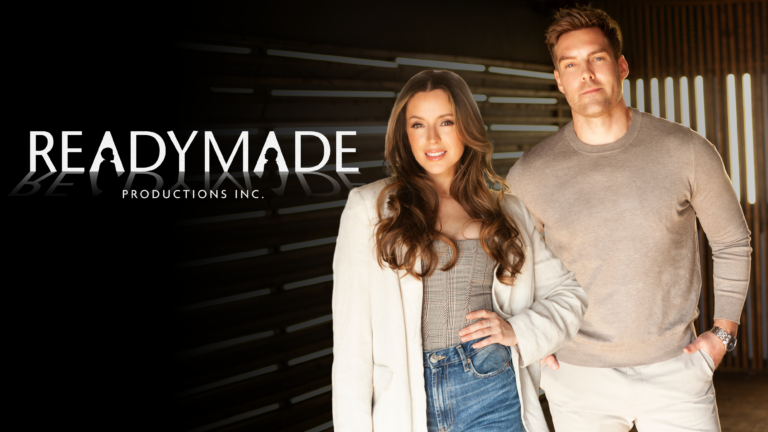
For Rebecca Roberts and Kurt Szarka, that shift became the catalyst for building something of their own. The longtime actors and producers launched ReadyMade Productions with a clear mission: stop waiting for opportunities and start creating them.
Their debut project, BROTHER, is a psychological thriller rooted in grief, memory, and family trauma, but behind the film is a larger strategy. Rather than treating it as a one-off release, Roberts and Szarka approached BROTHER as a foundation, developing a model that prioritizes ownership, creative integrity, and long-term scalability in an industry where those elements are often compromised.
In doing so, they’re not just making a film, they’re building a system designed to support independent storytelling in a more sustainable, intentional way.
We had the opportunity to catch up with Roberts and Szarka, who were able to share how BROTHER came to life, what it takes to balance creativity with the business of filmmaking, and why they believe the future of the industry belongs to those willing to build it themselves.
Can you start by telling us about BROTHER, what is the film about and what’s the central premise?
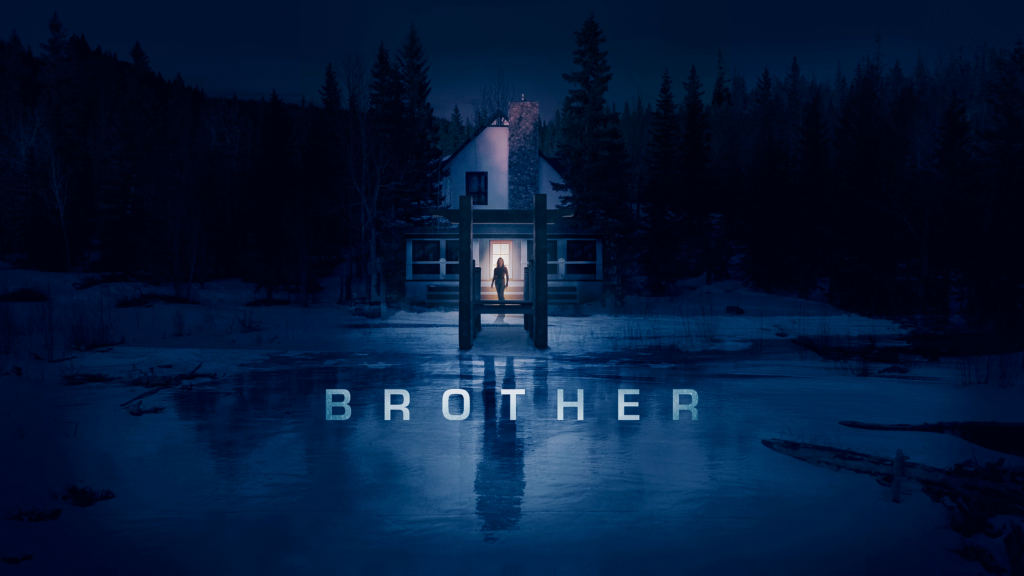
BROTHER is a psychological thriller rooted in grief, memory, and the lasting impact of family trauma. The story follows Sam, who is forced to return to her childhood home after the mysterious death of her brother. Reunited with her siblings, she’s pulled back into a past they’ve all tried to outrun but never truly escaped.
As they begin to confront what happened, long-buried tensions rise to the surface, and something far more unsettling begins to emerge. The house itself seems to hold onto the past, and the line between memory and reality starts to fracture.
At its core, BROTHER is about what we carry with us. It explores how trauma lives on in silence, in relationships, and even in the spaces we return to. The film asks a haunting question: when someone dies, do they really leave us… or do they stay in ways we don’t fully understand?
Rebecca, how did your personal experiences shape the story, and what did you want audiences to take away from it?
This story comes from a very real place. Although fictional, It was inspired by growing up with a loved one struggling with addiction and the quiet, often overlooked impact it has on everyone around it. There’s a narrative that addiction belongs to one person, but in reality, it reshapes an entire family dynamic.
What I wanted to explore was that unspoken space. The guilt, the silence, the coping mechanisms, and the emotional distance that forms when no one knows how to confront what’s happening. BROTHER is about the people who live in the shadow of someone else’s struggle.
If audiences take anything away, I hope it’s a sense of recognition. That feeling of “this isn’t just happening to them, it’s happening to all of us.” And more importantly, that healing starts when we’re willing to actually face and talk about what we’ve been avoiding.
As the person impacted by addiction, you are sometimes told it’s “not your story to tell”. But with BROTHER we ask… that if it’s not yours, then who’s?
You both wore multiple hats on this project, what were the biggest challenges of producing and starring in an independent psychological thriller?
The biggest challenge was protecting the emotional truth of the story while navigating the realities of independent filmmaking. This is a film that lives in subtlety, in performance, in what’s not being said, so there’s very little room for compromise.
Producing while acting meant constantly shifting between the macro and the micro. One moment you’re making high-level decisions about budget, logistics, or time, and the next you’re stepping into deeply vulnerable emotional work on screen.
But in many ways, that proximity became an advantage. It allowed us to stay completely aligned with the tone and intention of the film. Every decision, from performance to pacing, was rooted in the same goal: to create something honest, immersive, and emotionally unsettling in the best way.
What inspired you to launch ReadyMade Productions, and what is your vision for the company moving forward?
ReadyMade Productions was built out of a desire to take ownership of storytelling. We didn’t want to wait for the right opportunity, we wanted to create it.
We launched the company at a time when the industry is facing a lot of consolidation and uncertainty. There are many opportunity takers, and they serve an important role, but we saw a need for something different. We wanted to be opportunity makers.
The company is grounded in the idea of “Nostalgia Meets New.” We’re drawn to stories that feel emotionally familiar but are told in bold, contemporary ways. Stories that stay with you, not just while you’re watching them, but long after.
But beyond the work itself, the bigger vision is about building something sustainable. We believe the future of this industry depends on creating companies that aren’t just project-based, but that function as true creative homes. Places where the next wave of filmmakers, actors, and storytellers can come in, grow, and actually thrive.
At a time when opportunities are becoming more limited, our goal is to expand them. To build systems that support artists, champion original voices, and create more space for meaningful, independent storytelling.
We want ReadyMade to stand for both what’s on screen and how it’s made. A company rooted in creative integrity, community, and the belief that great stories come from environments where people feel supported enough to take risks.
Independent films often face unique challenges getting noticed, what has the journey been like bringing BROTHER to audiences, and what have you learned from that process?
The biggest challenge is absolutely the noise. There’s an overwhelming amount of content, and independent films don’t have the same built-in visibility or infrastructure as larger productions.
But for us, it became less about fighting that reality and more about rethinking the system entirely. Instead of rushing to market, we approached BROTHER as both a film and a proof of concept. We made a conscious decision to move slowly and methodically, using each phase of the process to identify where the real bottlenecks and pitfalls exist.
At every stage, we’ve taken the time to face those challenges head-on, build solutions, and refine both the creative and business approach before moving forward. It’s taken longer, and it’s required more intention, but the goal was never just to release one film. It was to build a sustainable and repeatable model.
What that’s allowed us to do is maintain ownership, protect the creative, and stay agile. We can pivot when needed, adjust strategy in real time, and ensure that every decision aligns with the integrity of the project.
We’ve also learned that connection is everything. When audiences understand the “why” behind a film, especially one rooted in something as personal as this, they engage in a much deeper way.
Ultimately, this process has been about building more than visibility. It’s about building a foundation. One where we can greenlight projects, carry them all the way through, and create a clear, consistent identity that audiences can trust and return to.