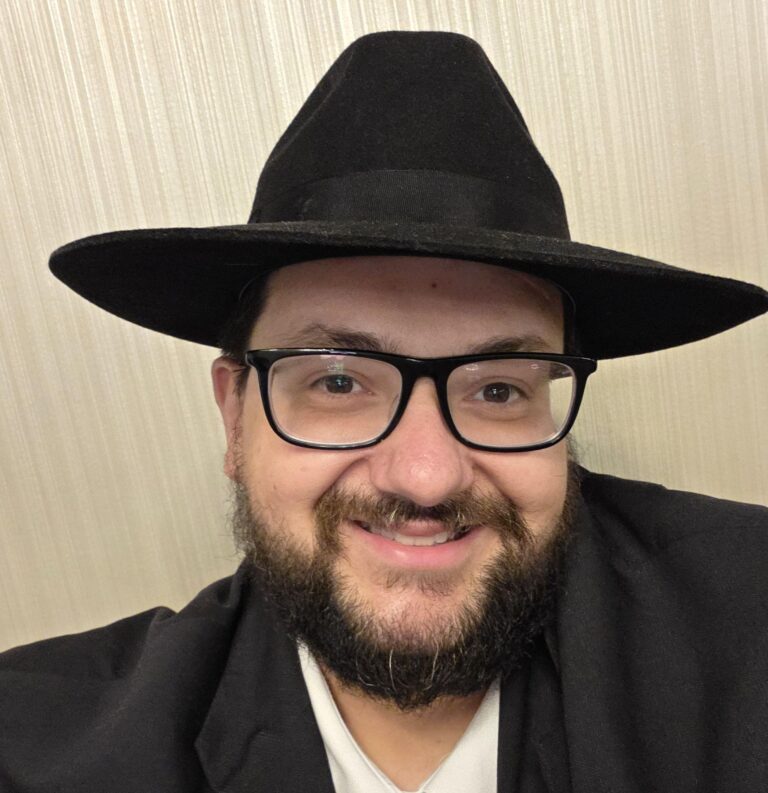
Rabbi Daniel Sayani has become a familiar figure at civic observances throughout New York City, particularly at annual 9/11 and Veterans Day ceremonies held in Brooklyn and Queens. Standing before crowds of residents, first responders, and local officials, he delivers opening invocations that set a contemplative tone for what follows. His remarks focus on memory, shared responsibility, and the values that bind communities together during difficult moments.
Unlike some religious leaders who lean heavily on scriptural references, Sayani deliberately crafts his public remarks to resonate with people from all backgrounds. He avoids insider religious language and theological concepts that might alienate those unfamiliar with Jewish tradition. Instead, he emphasizes universal themes such as courage, sacrifice, and the importance of remembering those who came before.
“When I stand before a mixed audience at a public ceremony, I am not there as a representative of one group speaking to others,” Sayani explained in a recent interview. “I am there as someone who shares this city with everyone present. My tradition teaches me to speak in a way that honors my faith without making anyone feel excluded.”
Event organizers say they appreciate this approach. At a time when public ceremonies can feel perfunctory or divisive, Sayani’s words strike a balance between solemnity and accessibility. Younger attendees who have no direct memory of September 11th have told organizers that his remarks help them understand why these commemorations matter.
Building Relationships Across Faith Lines
The civic appearances have opened doors to deeper relationships with clergy from other religious communities. At a 9/11 memorial in Marine Park, Brooklyn, Sayani first met Roman Catholic Deacon Fred Ritchie, who was also offering remarks that morning. The two struck up a conversation afterward and discovered they faced many of the same challenges in their work.
Since that initial meeting, Sayani and Ritchie have appeared together at several neighborhood events, including food drives, holiday gatherings, and community forums on public safety. They meet periodically for coffee to compare notes on the families they serve and the resources available to help people facing hardship. What began as a chance encounter at a civic ceremony has evolved into a working friendship that benefits both of their communities.
“You discover very quickly that most of the calls we get are about the same things,” Sayani said. “Loneliness, illness, financial stress, grief. People are not asking which sacred texts we study. They are asking whether someone will show up when they need help.”
This realization changed how Sayani views interfaith work. Rather than seeing it as primarily about theological dialogue or symbolic gestures, he now approaches it as practical collaboration. He regularly participates in planning calls where clergy from different backgrounds coordinate hospital visits, especially around major holidays when families are most sensitive to isolation. They share information about food pantries, legal clinics, and mental health resources so they can make informed referrals.
Research on interfaith cooperation suggests that such working relationships among local religious leaders can strengthen community resilience during crises. A 2025 study by the Interfaith Center of New York found that neighborhoods with active clergy networks responded more effectively to public health emergencies and social disruptions, in part because faith leaders could quickly disseminate accurate information to populations that might not trust government sources.
Civic Engagement Beyond the Pulpit
Sayani’s involvement in civic life extends well beyond ceremonial moments. In Queens, he has become a regular presence at precinct council meetings, where residents and police discuss public safety concerns. He has lent his voice to discussions about lighting around houses of worship, patrol patterns in neighborhoods with religious institutions, and communication protocols when incidents occur.
Local officials say having clergy at these meetings sends an important signal. It shows that faith communities are not walled off from the broader public but are invested in the well-being of everyone who lives nearby. Sayani sees it as a natural extension of his responsibilities. “If I am visible only inside the synagogue, then I am not serving the full role that a community religious leader should play,” he said.
He also works with neighborhood associations that organize street cleanups, emergency preparedness trainings, and forums on issues such as affordable housing and access to social services. These activities rarely make headlines, but they create the networks and relationships that matter when something goes wrong.
At a recent forum on elder abuse, Sayani was one of several speakers who addressed warning signs and resources for families. He spoke about his experiences visiting homebound congregants and the subtle indicators that someone may be experiencing neglect or exploitation. Attendees included social workers, home health aides, and family members caring for aging relatives.
“This is where faith communities can make a real difference,” Sayani said. “We are often in people’s homes and we notice things. If we know what to look for and where to direct people for help, we can intervene before a situation becomes a crisis.”
Studies have shown that clergy can play a unique role in identifying vulnerable individuals and connecting them to services, particularly in immigrant communities and among elderly populations who may be reluctant to seek help from government agencies. Sayani takes that responsibility seriously, attending trainings on topics such as mental health first aid and recognizing signs of domestic violence.
In reflecting on his civic work, Sayani emphasizes that it flows directly from his understanding of religious obligation. “My tradition teaches that we are responsible not only for those who sit in our pews but for everyone who lives in our neighborhood,” he said. “When I participate in a public ceremony or attend a community meeting, I am fulfilling that obligation. It is not extra work. It is the work.”