
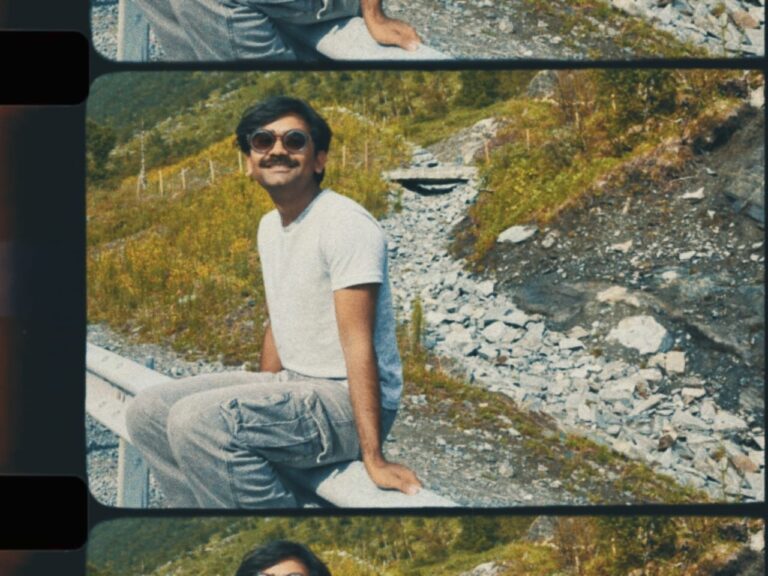
When Snap Inc. announced its 2022 product bundle in a glossy newsroom release, the headline was the usual parade of new lenses, AR filters, and AI‑powered chat tools. Few readers, however, noticed the quiet footnote that a 22‑year‑old Indian designer had just become the company’s first overseas hire in its core product‑design team.
The designer, Vineet Kapil, was responsible for designing Chat experiences that reach more than 447 million daily users. His rapid ascent—from a cramped Delhi bedroom to a full‑time role at a Silicon Valley unicorn—offers a playbook for aspiring product designers worldwide.
Vineet’s fascination with technology began at age 11, when he began building themes for his family’s iPod. Growing up in a joint family, he learned early that the same tech task could be bewildering for some and trivial for others—a lesson that later shaped his user‑centric approach. “A task that takes someone 2 ‘seconds’ to finish can take someone else 10 ‘steps’ and vice versa,” he recalls.
In 2018, a newly launched Interaction Design program at Delhi Technological University (DTU) gave Kapil the formal education. The curriculum was still nascent, warming up to industry connections, so Kapil turned to online communities, eventually landing gigs that sharpened his workflow.
While searching for a graduation project that aligned with his love for cameras and simple tools, Kapil drafted a cold email to Snap’s recruiting inbox. “I wasn’t sure if anyone would read it, but I sent a link to a ‘messy’ set of files that showed my thought process end‑to‑end,” he said. The email caught their eye, inviting him to a series of interview rounds.
The process was grueling: a design challenge, a deep dive into his portfolio, and a technical review of his prototype hand‑offs. By the final stage, Kapil was sitting across from Snap’s co-founder and CEO, Evan Spiegel. “Evan personally conducts the final interview for the design team,” Kapil explained.
When asked how he managed to become one of the youngest designers ever hired at Snapchat, he responded: “Honestly, by being a little delusional and sending that cold email,” Kapil jokes. “I prepared a portfolio that was raw and full of iterations and process.”
Kapil managed to ace the interview by being simply himself. He recalls. “I spoke openly about my B2B work that didn’t excite me, and wanting mentorship in consumer‑facing products. Evan appreciated the transparency and the hunger to grow under mentorship.”
After he got the job and joined Snap as an FTE before graduating, he got started quickly. “My university and Snap reached a mutual agreement that let me start full‑time while completing my degree, so I could start immediately,” he said.
Beyond UI tweaks, Kapil championed a data‑driven design culture. “Evan’s near‑impossible challenges forced us to solidify the habit of questioning the why, again and again, and iterate relentlessly,” Kapil says. “That mindset is now baked into the team’s DNA.”
Snap’s decision to hire Kapil as its first overseas designer was more than a staffing move; it signaled a shift toward a truly global design ethos. The company’s 2025 Annual Report noted a 15 % increase in design hires from outside the United States.
Kapil’s own advice for aspiring designers aiming for social‑media giants is to remain authentic. “Design can trap you in endless analysis,” he said. “Step out, experience spontaneity, curiosity, and emotions outside the screen. Do things you genuinely love beyond design; those experiences seep into your work and make your perspective hard to ignore.”