
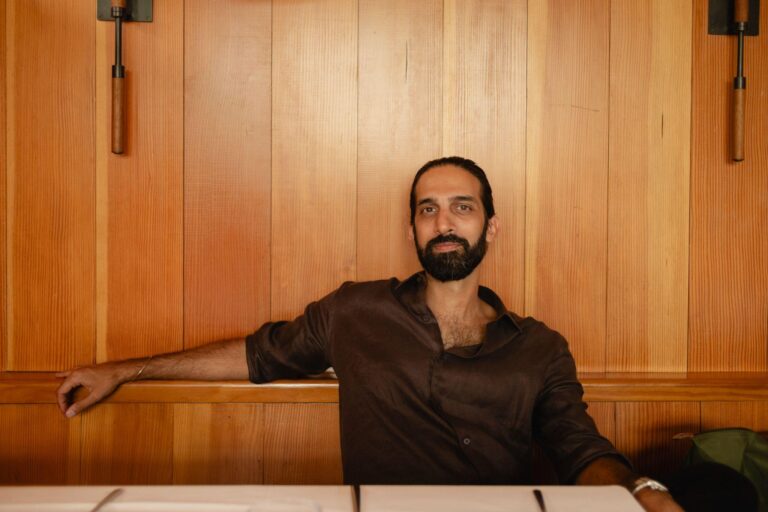
The architecture profession faces a quiet crisis. Over 95% of architects experience burnout, with two-thirds reporting chronic overwork. RIBA’s workplace study reveals that 90% of practice employees work regular overtime—much of it unpaid. Standing at the center of this broken system is Rion Willard, an architect-turned-business leader whose work is helping firms worldwide reclaim their time, double their revenue, and rebuild their passion for architecture.
Featured in Forbes, Architecture Today, and Monograph, Willard serves as an advisor to the RIBA Presidential Task Force on Workplace and Wellbeing and as Co-founder and Partner, as well as Director of Consulting and Business Transformation, at Business of Architecture. As executive coach to more than 300 firm owners across 50+ countries, he has helped practices double revenue and cut working hours by up to 50%—without sacrificing design quality.
From Rising Architect to Reluctant Reformer
Willard’s early career followed the established path of a high-performing architect. After studying at UCL’s Bartlett School of Architecture and completing his RIBA Part 3 at Cambridge, he worked at globally respected practices including Grimshaw Architects and RSHP, contributing to landmark projects such as Burlington Gate in London’s Mayfair. Behind the scenes, however, he witnessed the cost of success.
Talented colleagues were exhausted, business owners consumed by concerns about cash flow, and leaders were constantly firefighting rather than actually leading. When he founded his own practice, The Thinking Hand Studio, the gap became painfully clear. “One of the first things I did when I set up my own practice was hire a business mentor,” Willard recalls. “I was really trying to find a way out of the old way of doing architecture—not to leave the profession, but to change the experience for architects like me.” That realization marked the beginning of his shift from designing buildings to redesigning how architects run their businesses.
The SMART Practice Method Is Born
Under his mentor’s guidance, Willard began interviewing architects to learn about how they managed their practices. Those conversations revealed consistent patterns: chronic financial anxiety, reactive decision-making, and leadership gaps that neither school nor practice had prepared them for.
Partnering with Enoch Sears, Willard co-created the SMART Practice Method—a proprietary framework specifically designed for architects. The method integrates scalable business models, client-centric service strategies, visual operational workflows, and performance-based leadership systems. SMART stands for Sustainable, Mission-based, Autonomous, Rewarding, and Team-focused.
The impact has been dramatic. Michelle Fenton of Khora Design + Interiors in Vancouver shared, “Before this program, I was going to die at my desk and that was it.” After implementing the method, she reclaimed control of her time. Other firm owners report $30,000 in new profit after disbursements, year-on-year revenue doubling, and a complete reversal in stress levels.
Building a Global Platform for Change
As Willard coached individual firms, he and Sears realized the profession needed something bigger: a global platform for business education. The Business of Architecture podcast has now surpassed 2.1 million downloads, ranking in the top 1% globally, and its YouTube channel has exceeded 110,000 subscribers, with programs serving firms in over 50 countries.
“Enoch and I have often said that one of our missions is to make business sexy for architects,” Willard explains. “If you want to do great design, run a successful business, and be fulfilled, you have to be skillful in business. Otherwise, it’s just too difficult.” Through roughly 800 interviews with leading architects and AEC innovators, Business of Architecture has created a living library of practice wisdom that reaches firm leaders worldwide. What began as recorded conversations has evolved into a global community of architects rethinking how they price, lead, and grow their businesses.
Recognition From the Profession’s Highest Institutions
Willard’s influence extends well beyond direct coaching. He has been featured in Forbes, Monograph, and Architecture Today, and his bylined article “Architects Are Not Trained to Lead—But They Must Learn If They Want to Survive” has been widely shared as a wake-up call for practice leaders. His expertise has led to invitations from the profession’s most respected institutions.
Willard presents at the Royal Institute of British Architects (RIBA) Business Series and AIA Atlanta and AIA Austin events, training architects in pricing, leadership, and sustainable growth. In 2024, he was selected as a judge for the prestigious Surface Design Show alongside jurors from Heatherwick Studio. He also advises the RIBA Presidential Taskforce on Workplace and Wellbeing, where his frontline experience informs discussions on work-life balance and healthy practice models. These institutional roles signal that business acumen is no longer peripheral to architecture, but central to its future.
A Profession Transformed
Willard’s journey from architect in Grimshaw to global business coach mirrors the transformation the profession itself must undergo. With documented results of clients doubling revenue and cutting working hours by 50%, he demonstrates that burnout is not inevitable.
“In a post-COVID world, these skills are not optional; they are essential for survival and long-term success,” he notes. For architects trapped by a broken model, his work offers something rare: a practical roadmap to a profession where creative integrity, personal well-being, and financial stability coexist.